
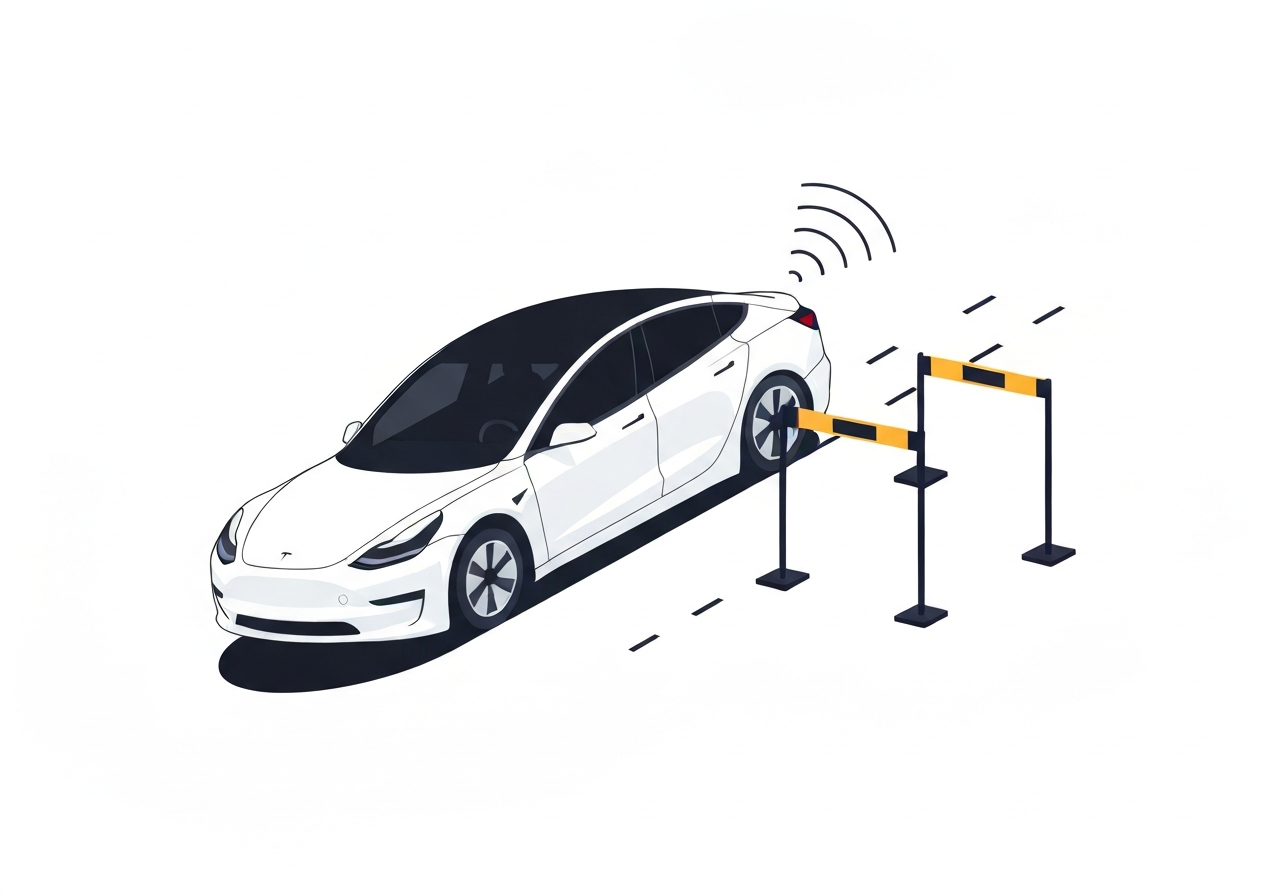
Who: Tesla and the California Department of Motor Vehicles (DMV). When: decision issued late Tuesday, following regulatory actions begun in November 2023 and a December administrative ruling. Where: California, Tesla’s largest U.S. market. What happened: the DMV will not enforce a 30-day suspension of Tesla’s dealer and manufacturer licenses after Tesla ceased using the term “Autopilot” in its California marketing. Result: Tesla can continue selling vehicles in the state without interruption while the case is officially resolved.
Key Takeaways
- The DMV filed allegations in November 2023 that Tesla’s marketing of “Autopilot” and “Full Self-Driving” misled customers about the systems’ capabilities.
- An administrative law judge in December 2023 recommended a 30-day suspension of Tesla’s California sales and manufacturing licenses as a penalty.
- The DMV initially endorsed the December ruling but granted Tesla 60 days to comply before enforcing suspension.
- By late February 2026, Tesla stopped using the term “Autopilot” in California marketing and discontinued the Autopilot package in the U.S. and Canada in January 2026.
- Tesla rebranded its higher-tier system as “Full Self-Driving (Supervised)” and shifted access from an $8,000 one-time purchase (until Feb 14) to a $99 monthly subscription.
- Because Tesla implemented the prescribed corrective steps, the DMV announced it will not suspend the company’s dealer and manufacturer licenses for 30 days.
- The change is likely to affect customer perceptions, regulatory scrutiny, and Tesla’s revenue mix between upfront purchases and recurring subscriptions.
Background
California’s DMV opened a regulatory inquiry into Tesla’s marketing language in November 2023, alleging that names such as “Autopilot” and “Full Self-Driving” conveyed an exaggerated sense of autonomy. Regulators argued those labels could cause drivers to overestimate the systems’ abilities, potentially leading to unsafe use. The state pursued administrative action because enforcement through existing statutes centered on deceptive business practices and consumer protection.
In December 2023 an administrative law judge sided with the DMV’s position and recommended a 30-day suspension of Tesla’s dealer and manufacturer licenses in California as a punitive measure. The DMV accepted that recommendation but deferred immediate enforcement, giving Tesla a compliance window to alter its marketing and product descriptions. California is a crucial market for Tesla—loss of sales authorization there would have had immediate commercial and reputational consequences.
Main Event
Late Tuesday the DMV announced that Tesla had taken the required corrective action by removing the term “Autopilot” from its marketing materials in California. That action satisfied the specific condition the DMV had set for avoiding the 30-day license suspension. The regulator noted that Tesla had earlier clarified the label for its advanced package, moving from “Full Self-Driving Capability” to “Full Self-Driving (Supervised)” to emphasize that driver supervision remains necessary.
Beyond renaming, Tesla took a further step in January 2026 by discontinuing the Autopilot package in the U.S. and Canada. Company communications indicate the move is both a compliance step and a commercial adjustment—shifting consumers toward the paid FSD Supervised tier, which had until February 14 been offered as an $8,000 one-time purchase and is now available via a $99 monthly subscription.
The DMV said Tesla’s corrective actions fulfilled the prescribed remedy and therefore the agency will not impose the 30-day suspension on the company’s California licenses. That clearance allows Tesla to continue retail and manufacturing operations uninterrupted in its largest U.S. market while the administrative case reaches final disposition.
Analysis & Implications
Regulatory leverage: The DMV’s willingness to hold the 30-day suspension in reserve, then waive it after targeted fixes, illustrates a pragmatic enforcement approach—using licensing penalties as leverage to secure rapid compliance rather than seeking to halt commerce. The case sets a precedent for how naming and marketing claims around advanced driver assistance systems (ADAS) can trigger enforcement actions.
Consumer protection: Changing language from “Autopilot” to labels that include “Supervised” or similar qualifiers reduces the risk of consumer misunderstanding, but it does not eliminate behavioral hazards. Studies and crash reports show that drivers often complacently over-rely on ADAS when language or interfaces imply greater capability. Clear labels are necessary but not sufficient; regulator and industry attention to in-vehicle warnings and user education remains critical.
Business model shift: Tesla’s move to discontinue Autopilot and concentrate sales on a subscription-based FSD Supervised product shifts revenue toward recurring payments. That can smooth revenue streams and potentially raise lifetime value per vehicle, but it also makes regulatory and consumer scrutiny of performance and pricing cadence more salient. CEO Elon Musk has signaled the subscription fee will rise as capability increases, which creates incentives to accelerate software development while exposing Tesla to heightened expectations.
Market and legal ripple effects: Other automakers and ADAS suppliers will watch this outcome closely. Regulators in other states and countries could adopt similar stances on terminology and marketing. The decision also provides an observable enforcement pattern—regulators can demand corrective labeling and reserve license penalties as escalatory tools.
Comparison & Data
| Feature | Autopilot (pre-change) | FSD Supervised (current) |
|---|---|---|
| Availability | Included/option on vehicles until Jan 2026 (U.S., Canada) | Available after Jan 2026; subscription required |
| Cost model | Included or one-time payment for some features | $99/month subscription (post Feb 14; one-time $8,000 purchase ended) |
| Marketing label | “Autopilot” (removed in CA) | “Full Self-Driving (Supervised)”—emphasizes driver oversight |
The table summarizes the commercial and naming shifts that mattered to the DMV’s enforcement decision. While the dollar figures and dates—January 2026 discontinuation, February 14 change in purchase options, and the $99 monthly subscription—are concrete, the longer-term pricing trajectory remains tied to product capability and competitive dynamics.
Reactions & Quotes
“Since then, Tesla took corrective action and has stopped using the misleading term ‘Autopilot’ in the marketing of its electric vehicles in California,”
California DMV (official statement)
The DMV framed its announcement as recognition that Tesla met the prescribed correction. That phrasing clarifies the agency’s enforcement goal was remedial compliance rather than pursuing immediate punitive suspension.
“That subscription fee is expected to increase as the system becomes more capable,”
Elon Musk, Tesla CEO (company statement)
Musk’s comment signals a clear commercial plan: price rises tied to capability improvements. Regulators and consumer advocates will likely scrutinize both pace of improvement and how performance is communicated to subscribers.
Unconfirmed
- Whether Tesla’s January discontinuation of Autopilot was primarily motivated by regulatory pressure versus strategic commercial reasons (both played roles, but relative weighting is not publicly confirmed).
- The exact timeline and magnitude of future subscription price increases for FSD Supervised remain unspecified and may change with capability updates.
- Whether other state regulators will adopt identical compliance parameters or pursue stricter penalties in similar cases is not yet determined.
Bottom Line
The DMV’s decision to withhold enforcement of a 30-day license suspension reflects a targeted regulatory approach: compel clear corrective action rather than immediately disrupt commerce. By removing the term “Autopilot” from California marketing and moving customers toward a labeled, subscription-based FSD product, Tesla met the specific condition the DMV set and avoided short-term operational disruption in its largest U.S. market.
Longer term, this case highlights two durable trends: regulators will police how autonomy-related features are described and sold, and automakers are increasingly shifting revenue models toward subscriptions. Consumers, competitors, and policymakers should watch how Tesla’s product performance and messaging evolve—those developments will shape future enforcement expectations and market acceptance of driver-assist offerings.
Sources
- TechCrunch (news report summarizing DMV and company actions)
- California Department of Motor Vehicles (official statements and press resources)
- Tesla Support / Company Notices (company product and pricing pages)