
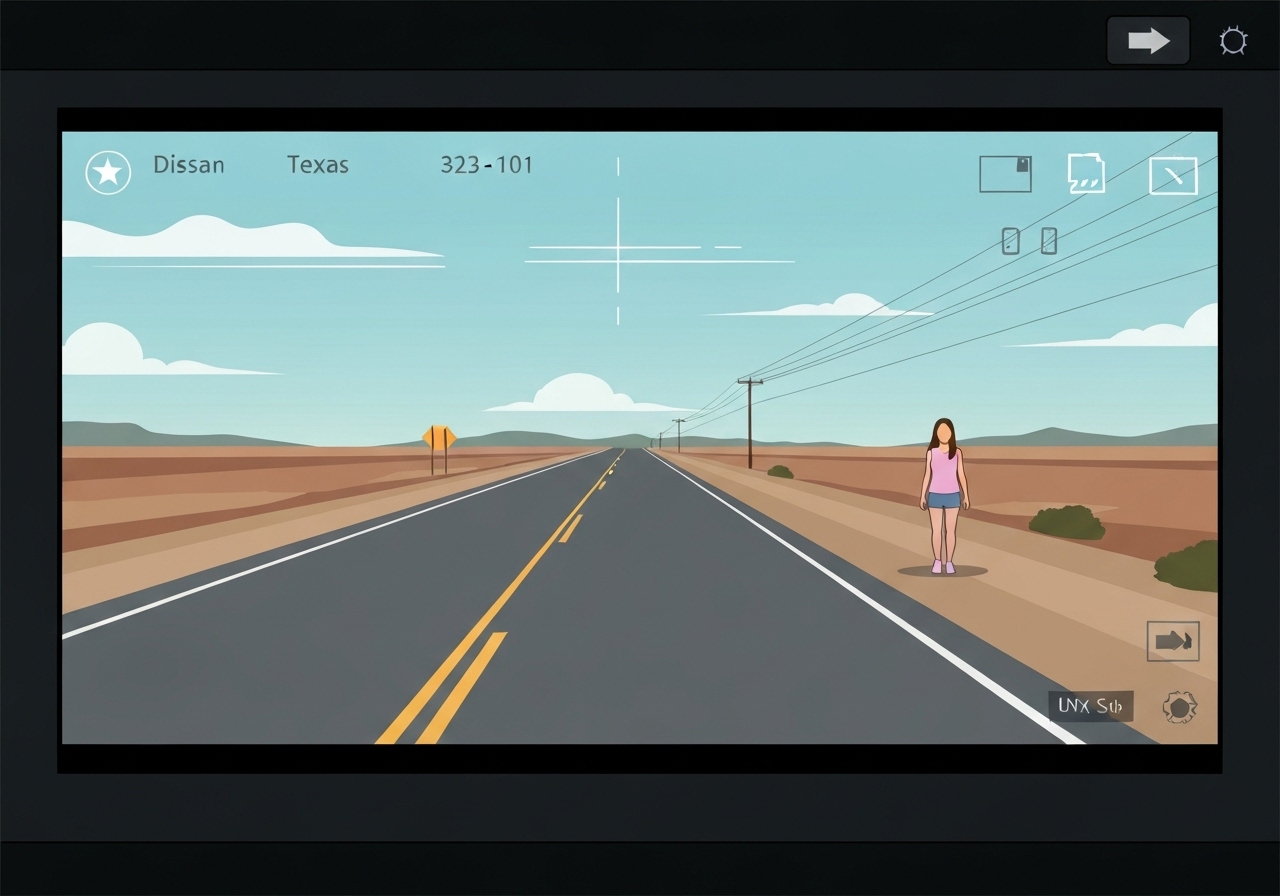
Camila Mendoza Olmos, 19, was last seen on the morning of 24 December outside her San Antonio home during a routine walk, and authorities released new dashcam footage on Monday that they say may show her nearby. The search, now lasting nearly a week, has produced few confirmed leads and her parents say they are praying for her safe return. Bexar County Sheriff Javier Salazar cautioned officials cannot yet confirm the person in the video is Mendoza Olmos, though the clothing appears to match. The sheriff’s office is coordinating with the FBI and is considering multiple possibilities as the inquiry continues.
Key Takeaways
- Camila Mendoza Olmos, 19, was last seen on 24 December (Christmas Eve) leaving her San Antonio home for a usual morning walk.
- On Monday local authorities released dashcam video that they say might show a person matching her clothing walking near the area where she vanished.
- Bexar County Sheriff Javier Salazar said the department is working with the FBI and has not ruled out voluntary disappearance, self-harm, or foul play.
- Police previously released footage from the day she disappeared showing a woman searching in the back of a car; investigators believe she then walked away from the vehicle.
- Authorities are concerned Mendoza Olmos may have left without her phone, an unusual detail investigators cite as notable.
- The search has lasted nearly a week with limited confirmed clues and continued family appeals for information.
- Family members spoke to national media—her father, Alfoso Mendoza, told CBS Mornings he is praying and urged his daughter to return.
Background
Missing-person cases that begin near an individual’s home often hinge on short windows of time and digital traces such as phone pings, surveillance and dashcam footage. Investigators typically assemble video from patrol cars, private security cameras and mobile phone records within the first 24–72 hours because those records degrade or become harder to trace when not promptly collected. In San Antonio, local law enforcement agencies have established procedures for sharing leads with federal partners; the FBI frequently assists when searches require specialized resources like cell-site analysis or broader interstate coordination.
Community response in similar cases tends to include public appeals, neighborhood canvassing and media releases to solicit tips. Families become focal points for public empathy and information dissemination, often appearing on broadcast programs to renew attention. While many investigations are resolved through leads generated in the initial days, a subset remains unresolved for longer periods, prompting expanded searches and forensics. Officials balancing transparency and investigative secrecy generally release only limited footage to confirm what the public already knows while protecting active lines of inquiry.
Main Event
Authorities in Bexar County released dashcam footage on Monday showing a person walking in the vicinity of Mendoza Olmos’s neighborhood; Sheriff Salazar said the clothing in the clip matches reports of what she wore but did not confirm the identity. The sheriff reiterated that investigators are exploring all potential explanations, including voluntary disappearance and the possibility of someone else being involved. Earlier, police had shared separate video from the morning Mendoza Olmos disappeared that showed a woman at the rear of a vehicle searching for an object, after which the vehicle was left behind and the woman was believed to have continued on foot.
Investigators have expressed concern that Mendoza Olmos may have left without her phone, which the family and police say would be atypical for her routine. The absence of a phone complicates digital-tracework such as location pings and recent communications, leaving visual evidence and witness accounts more central. Local teams have been conducting door-to-door inquiries and reviewing camera networks while coordinating tips through a public hotline and tip portal. Authorities have said that they are combing through all available video, social media posts and local sightings to corroborate timelines.
Family members have maintained a public presence in the search. Her father, Alfoso Mendoza, told television reporters he is praying for her and urged anyone with information to come forward; her mother expressed daily hope while acknowledging the family is struggling. The sheriff’s office emphasized that releasing the dashcam clip was aimed at generating new leads from the community rather than making an identification announcement. With the FBI involved, investigators signaled readiness to pursue interstate or technical avenues if tips point beyond the local area.
Analysis & Implications
The release of dashcam footage is a standard investigative tool intended to widen the pool of potential witnesses quickly. Visual confirmation from community members can produce time-stamped sightings that refine search areas; however, the limitations of image quality, angles and clothing similarity make positive identifications difficult. Because investigators cannot yet verify the person in the clip, the footage’s immediate utility rests on prompting additional corroborating tips rather than serving as definitive proof.
Coordination with the FBI suggests law enforcement is preparing for complex investigative tasks—cell-site analysis, cross-jurisdictional checks and specialized forensics—that exceed routine municipal resources. If Mendoza Olmos left without a phone, the lack of cellular data will push the inquiry toward physical evidence and witness statements, increasing the importance of canvassing and any available surveillance. That dynamic typically lengthens the timeline for conclusive findings and elevates the need for public assistance.
The social implications include renewed attention to local safety and community vigilance, particularly because the disappearance occurred in a residential area during daylight hours. Public-release strategies must balance the benefits of generating tips against the risks of misinformation and privacy harm; law enforcement commonly restricts certain details to avoid compromising evidence. Economically and politically, prolonged high-profile searches can strain local resources and prompt scrutiny of policing practices, though officials here have underscored interagency collaboration as a response measure.
Comparison & Data
| Date | Event |
|---|---|
| 24 Dec | Last confirmed sighting: Mendoza Olmos leaves home for morning walk |
| 24 Dec (same day) | Police footage released showing a woman searching a vehicle’s rear |
| ~Nearly a week later | Search ongoing with limited confirmed leads |
| Monday (following week) | Dashcam footage released that may show a person matching her clothing |
The timeline underscores that visual evidence—camera clips from the day and later dashcam footage—constitutes the primary public material available to investigators so far. Without phone data or a confirmed DNA or eyewitness match, the case timeline depends heavily on community-sourced verification. This pattern mirrors many missing-person inquiries where early video is central until more definitive forensic links emerge.
Reactions & Quotes
“I can’t say for certain it is her, but the clothing certainly does match up with what she was wearing,”
Javier Salazar, Bexar County Sheriff
The sheriff framed the video as a possible lead rather than a confirmation, stressing investigative caution while seeking public help.
“I miss her, come home,”
Alfoso Mendoza, father of Camila Mendoza Olmos
Her father appealed directly to his daughter in televised remarks and described the family’s reliance on prayer and hope amid the uncertainty.
“We are hopeful everyday. At times we are broken but we are staying strong because my daughter is missing,”
Mother of Camila Mendoza Olmos (statement to CBS, translated)
The mother’s comments, given in Spanish and relayed by the family’s media contacts, emphasized emotional strain and continued optimism.
Unconfirmed
- Whether the person visible in the Monday dashcam video is definitively Camila Mendoza Olmos remains unverified by investigators.
- The exact reason for her disappearance—voluntary departure, self-harm, or abduction—has not been established.
- Reports that she left without her phone are based on law enforcement statements but the circumstances and confirmations of the phone’s absence remain under inquiry.
Bottom Line
Authorities released dashcam footage to generate new leads in the disappearance of 19-year-old Camila Mendoza Olmos, who was last seen on 24 December in San Antonio. While the clothing in the clip appears to match witness descriptions, officials have not confirmed the identity; the FBI’s involvement indicates investigators are preparing to pursue technical and cross-jurisdictional avenues if tips warrant those steps.
For now, the case pivots on community verification of the released footage and any emergent physical or digital evidence. Immediate public utility will come from credible tips that narrow location and time windows; anyone with relevant information should contact local authorities so investigators can corroborate sightings and protect potential evidence.