
Lead
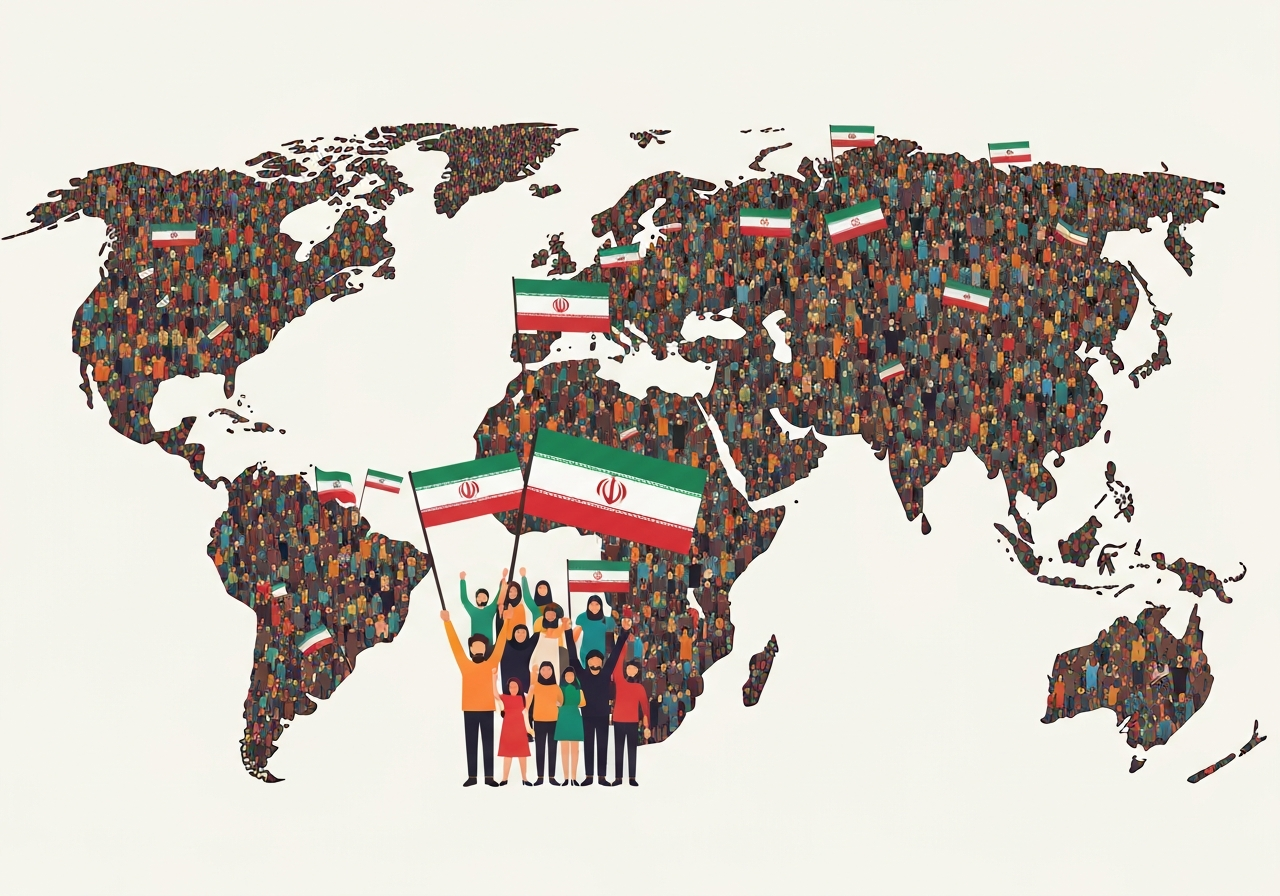
On Feb. 14, 2026, demonstrators calling for regime change in Iran staged large rallies on the sidelines of the Munich Security Conference and in cities around the world, including Melbourne, Athens, Tokyo and London. Organizers and officials said roughly 200,000 people gathered in Munich, where exiled opposition figure Reza Pahlavi and U.S. Senator Lindsey Graham addressed the crowd. The demonstrations coincided with reports that U.S.-Iran negotiations were expected to resume in Geneva the following Tuesday and with U.S. naval deployments to the Persian Gulf. The protests mark a coordinated, global day of action tied to months of unrest inside Iran and heightened international diplomatic activity.
Key Takeaways
- About 200,000 people attended the Munich demonstration, according to Tamara Djukaric, a Munich police spokeswoman; that figure was the largest specific turnout reported publicly on Feb. 14.
- Protests also took place in Melbourne, Athens, Tokyo and London; organizers described sizeable crowds but those local totals were not centrally verified.
- Reza Pahlavi, son of Iran’s deposed shah and an opposition leader in exile, had called for Feb. 14 demonstrations and spoke at events in Munich alongside Senator Lindsey Graham.
- Two U.S. officials, speaking anonymously to reporters, said U.S.-Iran talks were expected to resume in Geneva on Tuesday, Feb. 17, 2026, while the U.S. dispatched warships to the Persian Gulf as a show of readiness.
- The rallies occurred amid continuing reports of deadly unrest inside Iran earlier in the month, which opposition figures said the global demonstrations were intended to amplify.
- Organizers displayed pre-1979 Iranian flags at multiple rallies, signaling a symbolic link to the monarchy-era emblem used by many in the exile opposition.
Background
The Feb. 14 demonstrations followed weeks of domestic turmoil inside Iran that international reporting described as deadly and sustained. Opposition leaders and some exiled groups encouraged coordinated international demonstrations to keep global attention on protests inside Iran and to press for policy responses from Western governments. Reza Pahlavi, who is the son of the late shah and a prominent opposition voice in exile, had urged supporters to mobilize on Feb. 14; he renewed appeals in Munich, where international security officials and leaders were in town for the conference.
The Munich Security Conference is an annual forum that draws senior officials, legislators and security experts from many countries; protests on its margins often aim to leverage the presence of high-profile delegates. Separately, U.S.-Iran diplomacy has been in focus: two U.S. officials told reporters the next round of talks was due to start in Geneva, raising questions about how street-level pressure and military posturing might interact with formal negotiations. The U.S. deployment of additional warships to the Persian Gulf was reported as a signal of readiness should negotiations falter.
Main Event
In Munich, organizers said demonstrators filled streets near conference venues, waving the green-white-red flag used before Iran’s 1979 revolution and carrying banners featuring the deposed shah’s family in some locations. Local police officials publicly estimated turnout at about 200,000; the figure was cited by both law enforcement and multiple news outlets covering the event. Reza Pahlavi spoke to the assembled crowd and reiterated calls for stronger international pressure on Tehran, while Senator Lindsey Graham addressed the same gathering, aligning with opposition demands for greater U.S. involvement.
Outside Germany, coordinated rallies took place in major cities on five continents. Participants and organizers in Melbourne, Athens, Tokyo and London described large demonstrations; local press covered those rallies but did not produce a consolidated global headcount. Photographs and video from multiple news agencies showed emotionally charged scenes, including chants and signage calling for an end to Iran’s current leadership.
At the same time, two U.S. officials told reporters that formal talks between American and Iranian envoys were scheduled to resume in Geneva on Tuesday, Feb. 17, 2026. U.S. officials also ordered additional naval assets to the Persian Gulf, a move described publicly as precautionary pressure tied to the diplomatic timeline. Officials stressed that the deployments signaled readiness rather than an imminent decision to use force.
Analysis & Implications
The global demonstrations amplify a domestic crisis in Iran by internationalizing the political pressure faced by Tehran. Large diasporic rallies can increase diplomatic costs for governments that continue business-as-usual with Tehran, potentially hardening policy stances in capitals that want to be seen as responsive to protest movements. For opposition leaders in exile, global visibility is a strategic objective intended to shape international debate and policy choices.
For the U.S. and other negotiating parties, street protests complicate a tight diplomatic calculus. On one hand, demonstrators’ demands for regime change can push policymakers toward tougher public rhetoric; on the other hand, negotiators often prefer lower-profile channels to preserve space for diplomacy, particularly when nuclear or security talks are at stake. The reported resumption of Geneva talks means negotiators will have to balance public pressure with back-channel modalities.
The U.S. naval deployments to the Persian Gulf introduce a kinetic element to the standoff: such moves are traditionally framed as deterrence, but they also carry the risk of escalation if incidents occur. Military signaling may buy diplomats leverage, yet it can harden resolve among Iranian hard-liners who portray external pressure as justification for resisting concessions. International responses from European and regional governments will be watched closely for signs of coordinated sanctions or support measures.
Comparison & Data
| City | Reported Figure | Source/Note |
|---|---|---|
| Munich | ~200,000 | Munich police spokeswoman Tamara Djukaric (public statement) |
| Melbourne, Athens, Tokyo, London | Large/unspecified | Organizers and local reporters described sizeable crowds; no central verification |
The available, verified numeric data are limited to the Munich police estimate of about 200,000 attendees. Media accounts and organizers characterized rallies in other cities as large but did not provide consolidated, independently verified turnout counts. Differences in reporting standards, local permitting rules and the speed of coverage on a single coordinated day complicate direct comparisons.
Reactions & Quotes
“A change in government would be the best outcome for Iran,”
President Donald J. Trump (public remark)
The president’s remark, reported publicly the day before the Munich rallies, was widely cited by demonstrators and commentators as encouragement for international pressure.
“Around 200,000 people attended the protest in Munich,”
Tamara Djukaric, Munich police spokeswoman
Munich police provided the public estimate that became the most widely reported attendance figure for the Feb. 14 events.
Unconfirmed
- Whether the U.S. naval deployments will be used for kinetic operations if talks falter remains unconfirmed; officials described the moves as precautionary.
- Exact crowd counts for demonstrations outside Munich are not independently verified and should be treated as organizer estimates or media descriptions unless confirmed by local authorities.
- Any direct operational coordination between exiled opposition groups and U.S. government officials was not documented publicly and remains unconfirmed.
Bottom Line
The Feb. 14 rallies brought a high-profile, transnational spotlight to demands for political change in Iran, anchored by a large, publicly reported turnout in Munich and coordinated events in several other capitals. The demonstrations were timed to coincide with the Munich Security Conference and with sensitive diplomatic talks slated to resume in Geneva, increasing pressure on negotiators and policymakers in multiple capitals.
How governments respond in the coming days—whether by pursuing tougher measures, offering humanitarian or political support to demonstrators, or protecting diplomatic channels—will shape the next phase of this crisis. Observers should watch for verified shifts in diplomatic posture, any official policy coordination among Western governments, and credible, independently verified reporting on conditions inside Iran.
Sources
- The New York Times — press reporting and event coverage
- Reuters — international news agency/photography (coverage and images from on-the-ground reporting)