
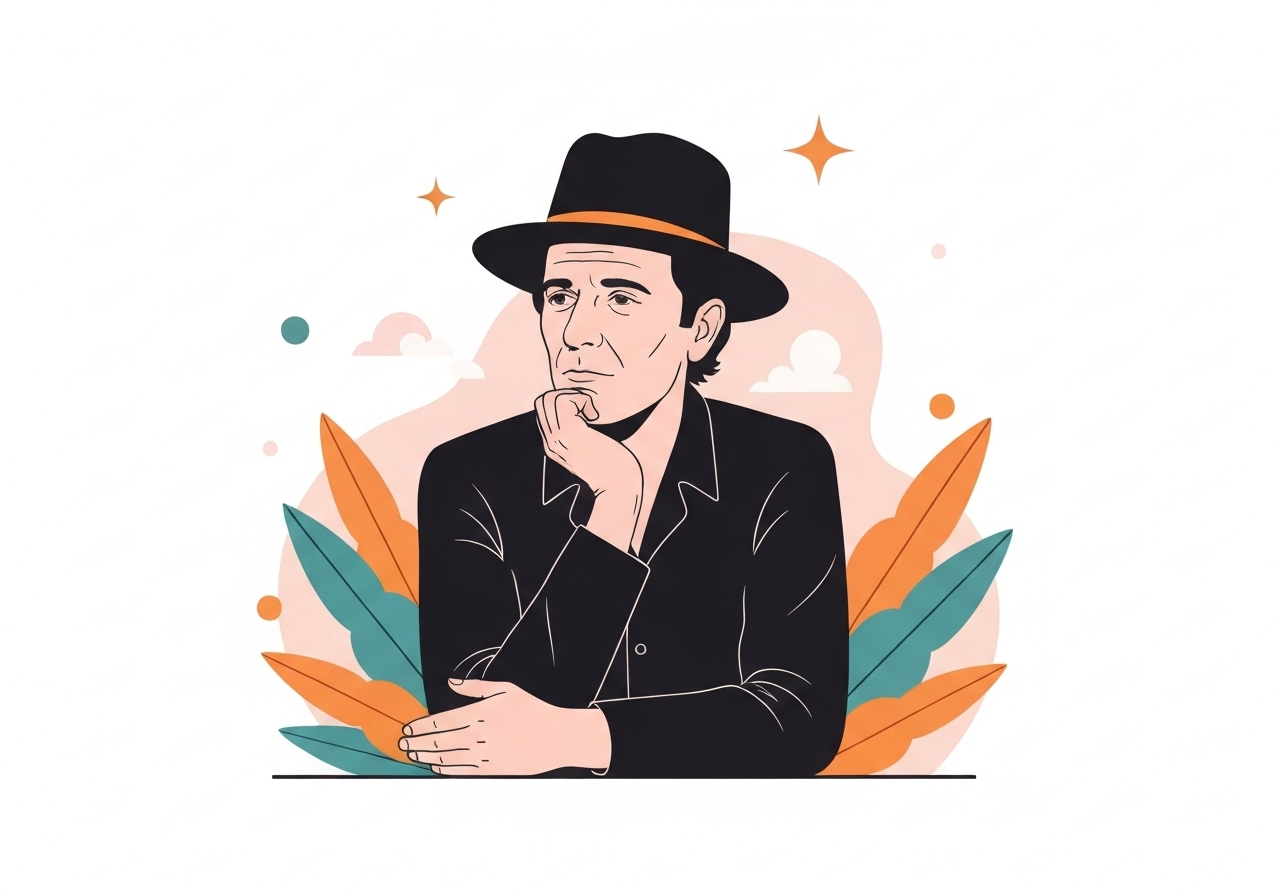
Lead: Todd Snider, the alt‑country and folk songwriter known for wry storytelling and big‑hearted ballads, died in Nashville on Friday at age 59. His publicist said the cause was pneumonia. Snider had recently halted a tour behind his new album, High, Lonesome and Then Some, after an assault outside a Salt Lake City hotel left him with severe injuries earlier in November.
Key Takeaways
- Todd Snider died in Nashville on Nov. 15, 2025; he was 59 and his publicist confirmed pneumonia as the cause of death.
- Snider canceled the remainder of a 2025 tour after an Nov. 3 social‑media post said he sustained “severe injuries” following an assault in Salt Lake City.
- He released at least 15 albums across three decades, including Songs for the Daily Planet (1994) and East Nashville Skyline (2004); his final record, High, Lonesome and Then Some, arrived in October 2025.
- Mentors and influences included Jimmy Buffett, John Prine and Kris Kristofferson; Buffett signed him to Margaritaville Records early in his career.
- Born Oct. 11, 1966, in Portland, Oregon, Snider left home at 16, lived in Austin and Memphis, and was briefly on Prine’s Oh Boy Records roster.
- He spoke openly about substance struggles: first entering rehab in 1997 and again after an OxyContin addiction that developed around 2003.
- Survivors include his mother, Vera Michele Snider; a sister, Shannon; and a brother, Mike; he divorced Melita Osheowitz in 2014.
Background
Todd Daniel Snider was born on Oct. 11, 1966, in Portland, Oregon, to Vera Michele (Bassett) Snider and Daniel Paul Snider. He ran away at 16 and spent years drifting between cities that shaped his musical persona, including Austin and Memphis, where he attracted the attention of Jimmy Buffett and later joined John Prine’s Oh Boy Records. Those relationships helped place him within a lineage of American roots songwriters while allowing him to develop a distinct voice that blended folk, country and alt‑rock.
Across a recording career spanning more than three decades, Snider cultivated the image of an Everyman chronicler — a self‑described “wandering minstrel” whose songs sketched barroom scrapes, heartbreak, small‑town politics and drug struggles with equal parts empathy and sarcasm. Critics and peers frequently noted his effortless knack for narrative detail and comic timing; his 2004 album East Nashville Skyline is often cited as central to the alt‑country canon. Despite limited mainstream chart success, he built a devoted following through live performance and prolific releases.
Main Event
On Nov. 3, 2025, Snider’s social channels posted that he had sustained “severe injuries” in an assault outside his Salt Lake City hotel, forcing him to cancel remaining dates on a tour supporting High, Lonesome and Then Some. Details about the assault were not released publicly, and law‑enforcement statements on the incident were limited as of Nov. 15. Promoters and his management initially framed the concert cancellations as medically necessary, citing his recovery.
Less than two weeks later, Mr. Snider died in Nashville on Nov. 15, 2025. His publicist confirmed the death and said pneumonia was the cause. The announcement noted his age at 59 and asked for privacy for family and friends. Organizers and venues that had booked him for the canceled dates issued statements expressing grief and offering tributes to his songwriting and stagecraft.
Snider’s recent record, released in October 2025, was described by him and interviewers as the product of a difficult decade that included personal losses and health struggles. He had publicly discussed chronic back problems and other ailments that complicated his ability to tour in recent years but had insisted he wanted to keep performing. Friends and collaborators had in recent months urged fans and the industry to support his recovery after the Salt Lake City incident.
Analysis & Implications
Todd Snider occupied a distinctive position in contemporary American music: not a mainstream star but a deeply influential figure within singer‑songwriter circles. His blend of sardonic humor and empathy allowed him to translate working‑class anxieties into compact narratives that resonated with listeners across generations. The loss removes a singular interpretive voice that bridged the Prine/Buffett tradition with alt‑country’s more ironic sensibilities.
For the touring circuit of smaller venues and independent festivals, Snider’s death highlights the precarious nature of life on the road, particularly for aging artists managing chronic health conditions. Bookers, promoters and venues may face renewed scrutiny over artist safety, local security protocols and contingency planning when performers are injured while traveling. The industry could see calls for better medical and travel insurance provisions for long‑time touring acts.
Culturally, Snider’s catalog—songs that marry blunt realism about addiction and loss with a streak of hopeful resignation—may gain renewed attention now that his final album has just been released. Catalog sales, streaming, and tribute events often increase after an artist’s death; for Snider, whose audience skews toward dedicated listeners and Americana aficionados, that could translate into a sharper reassessment of his place in late‑20th and early‑21st century American songwriting.
Comparison & Data
| Year | Album | Noted Theme |
|---|---|---|
| 1994 | Songs for the Daily Planet | Early alt‑country storytelling |
| 1996 | Step Right Up | Working‑class narratives |
| 2004 | East Nashville Skyline | Political and social satire |
| 2025 (Oct.) | High, Lonesome and Then Some | Personal loss and reflection |
Context: The table above tracks landmark albums and dominant themes rather than sales figures; Snider’s influence is measured more by critical regard and peer citations than by chart peaks. His steady release schedule—roughly 15 albums over 30+ years—reflects a career built on recording and touring rather than mainstream radio exposure. After his death, expect catalog streaming and digital sales to rise, particularly for East Nashville Skyline and songs that received consistent airplay on Americana and folk stations.
Reactions & Quotes
Peers and critics responded quickly, underscoring his reputation as both a sharp observer and a populist storyteller.
“He was as poetic a writer as anybody. It doesn’t seem crafted with him— it just comes out naturally.”
Kris Kristofferson (musician)
Context: Kristofferson’s brief appraisal, offered in a 2009 interview and frequently cited since, emphasizes the effortless quality other musicians heard in Snider’s work. Peers noted that this ear for plainspoken lyricism helped Snider connect with audiences who saw themselves reflected in his characters.
“I’m certain I don’t have any answers, and I want the people who listen to my songs to know that.”
Todd Snider (interview with The New York Times, 2009)
Context: Snider’s own self‑description signals the humility at the core of his songwriting—he framed his songs as observations rather than prescriptions, which contributed to the trust audiences placed in his voice.
“The singer sustained ‘severe injuries’ and would be unable to perform for an undetermined amount of time.”
Social media statement (Nov. 3, 2025)
Context: The early November social‑media post framed the immediate public understanding of the Salt Lake City incident and prompted the cancellation of tour dates. It did not, however, supply specifics about the assault or identify suspects.
Unconfirmed
- Full circumstances of the Nov. 3 Salt Lake City assault remain unclear; law‑enforcement disclosures were limited as of Nov. 15, 2025.
- Any direct medical link between the assault injuries and the pneumonia that caused Snider’s death has not been publicly verified by medical records or family statements.
Bottom Line
Todd Snider’s death removes a distinctive raconteur whose songs blended biting humor with sympathetic portraits of everyday hardship. Though he never achieved mass‑market superstardom, his steady output and live presence made him a touchstone in Americana and alt‑country circles, influencing peers and sustaining a devoted fanbase.
In the short term, the music community can expect increased attention to his back catalog, tributes from fellow artists, and renewed critical engagement with albums like East Nashville Skyline. In the longer view, Snider’s work will likely be cited in discussions about late‑20th/early‑21st century American songwriting that prizes narrative clarity, moral ambiguity and a stubbornly humane outlook.