
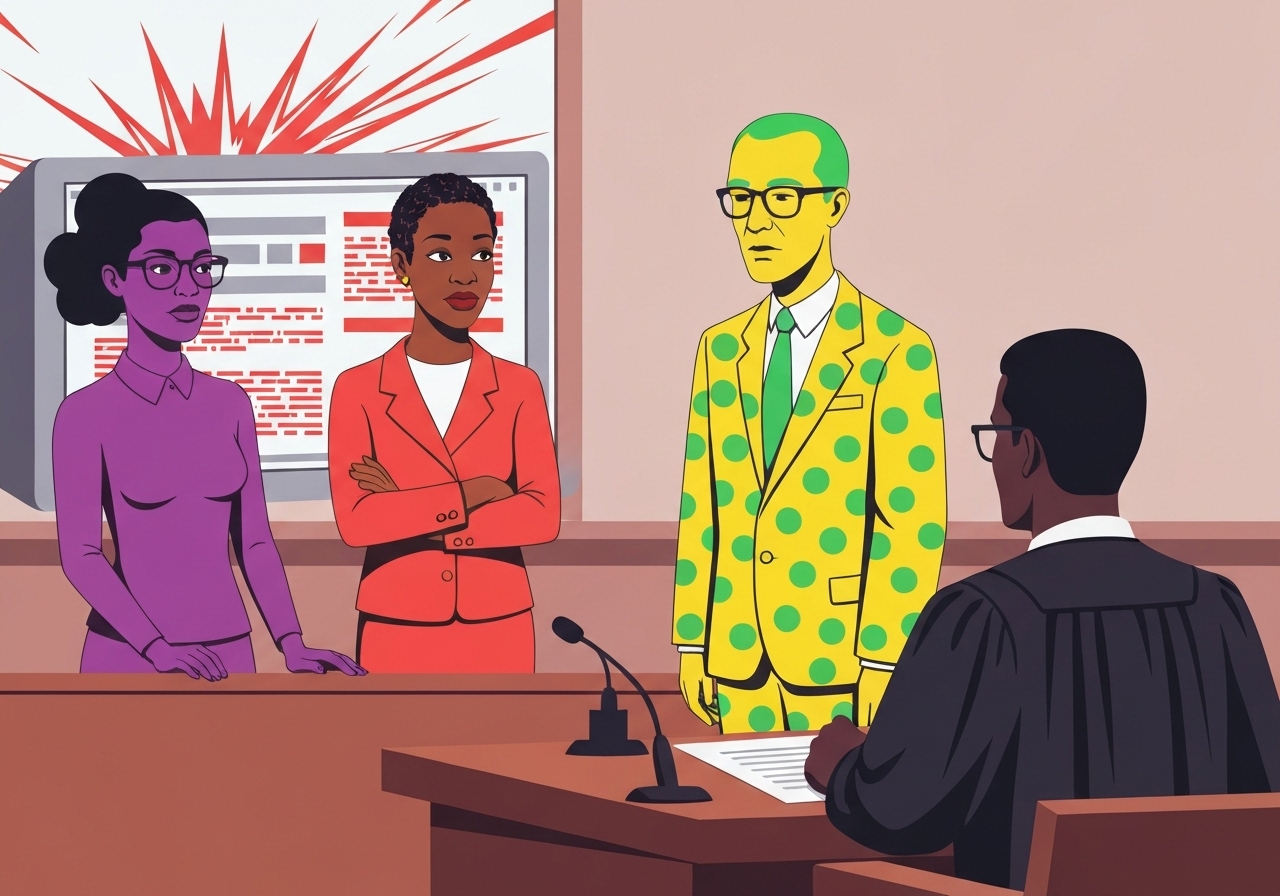
U.S. prosecutors in Manhattan unsealed an indictment on Dec. 17, 2025, charging Tricolor Holdings founder and CEO Daniel Chu and COO David Goodgame with a years-long, “systematic fraud” scheme that prosecutors say helped the bankrupt subprime auto lender obtain billions. The charges allege misconduct dating at least from 2018 through September 2025 and center on repeated misrepresentations about the value and availability of auto-loan collateral. Tricolor, which sold used vehicles to borrowers with poor or limited credit in the U.S. south and southwest, declared bankruptcy in September 2025 after telling the court it had more than $1 billion in assets. The alleged scheme and the lender’s collapse sent ripples through the banking sector, prompting sharp intramonth share declines at several regional and investment banks.
Key takeaways
- Federal indictment unsealed Dec. 17, 2025, names Daniel Chu (founder/CEO) and David Goodgame (COO) in allegations of long-running fraud from 2018–Sept. 2025.
- Prosecutors say Tricolor double-pledged the same auto-loan collateral to multiple lenders and altered loan records to hide delinquencies and charge-offs.
- At bankruptcy in September 2025, Tricolor reported more than $1 billion in assets to the court while owing large sums to lenders.
- Banks including JPMorgan and Jefferies had extended hundreds of millions of dollars in financing to Tricolor and related borrower First Brands before their failures.
- Market impact: mid-October trading saw Zions Bancorporation fall over 13%, Western Alliance drop more than 10%, and the SPDR S&P Regional Banking ETF (KRE) decline over 6% on contagion fears.
- JPMorgan CEO Jamie Dimon warned the incidents signaled lax lending standards and potential broader risks in private credit and leveraged lending markets.
Background
Tricolor Holdings built a business originating subprime auto loans to customers with limited credit histories, concentrating sales in the south and southwestern United States. The firm packaged vehicle loans and used those receivables to secure financing from a mix of banks and institutional lenders, a common model in specialty finance. Over recent years the private-credit and leveraged-lending ecosystem expanded, with nonbank originators playing a larger role in consumer and commercial financing.
Regulators and market participants have been tracking asset-quality degradation in niche lending sectors since the pandemic credit cycle and the post‑2020 surge in private-credit activity. Prior cases of collateral misrepresentation in other securitizations and specialty lenders have heightened scrutiny on originator reporting and trustee oversight. Tricolor’s abrupt distress and bankruptcy in September 2025 occurred against that backdrop, renewing questions about underwriting, documentation and the practices used to obtain warehouse and term financing.
Main event
The Manhattan indictment alleges that, beginning no later than 2018 and continuing through September 2025, senior Tricolor executives engineered a pattern of misrepresentations to obtain financing. Central to the charges is the claim that the company repeatedly pledged the same pools of auto loans to multiple lenders — a practice prosecutors describe as “double-pledging.”
Prosecutors also contend Tricolor manipulated loan-level data to make delinquent or charged-off accounts appear current and eligible for funding. Those altered records, the indictment states, were shared with lenders and investors as part of diligence and routine reporting, obscuring the true credit quality of assets backing financing facilities.
By the time Tricolor and related borrower First Brands failed in the same month, banks including JPMorgan and Jefferies had extended hundreds of millions of dollars tied to those receivables. When the problems surfaced publicly in mid-October, several financial institutions and market indexes experienced sharp, intramonth declines as investors reassessed exposure to similar private-credit structures.
Analysis & implications
If the allegations in the indictment are proven, the case would illustrate how documentation and reporting weaknesses at originators can transmit credit stress to large institutional lenders. Double-pledging and data manipulation undermine the basic protections lenders rely on: clear collateral claims and accurate performance histories. For banks that provided warehouse lines or financed receivable-backed facilities, the sudden discovery of overlapping claims could force abrupt write-downs or accelerated collateral enforcement.
The episode also raises questions about underwriting oversight in private markets. During the last decade, banks and nonbank lenders extended significant capital to specialty finance firms under varying documentation standards. Regulators and firms may respond by tightening covenants, demanding more independent verification of collateral and increasing on‑site examinations of loan files and servicer systems.
Market consequences could extend beyond immediate losses. Heightened due diligence costs and tighter credit may reduce liquidity for subprime-originating firms, potentially constraining used-car lending and related markets. Conversely, stronger controls and transparency requirements could restore investor confidence over time, albeit at the expense of higher financing costs for smaller originators.
Comparison & data
| Entity | Mid-Oct 2025 Drop |
|---|---|
| Zions Bancorporation | More than 13% |
| Western Alliance Bancorp | More than 10% |
| SPDR S&P Regional Banking ETF (KRE) | More than 6% |
The market moves in mid‑October 2025 reflected investor concern about contagion from originator failures to lenders and broader credit markets. Those percentage declines are intramonth extremes reported in market coverage and illustrate how quickly confidence can shift when lender collateral is questioned. Historical precedent — including past specialty finance disruptions — shows that the largest near‑term pain typically accrues to institutions most exposed to the misreported collateral pools.
Reactions & quotes
“Prosecutors allege a years-long scheme of misrepresentations and double-pledging that enabled billions in financing to flow to Tricolor,”
U.S. Attorney’s Office, Southern District of New York (official filing summary)
“When you see one cockroach, there are probably more,”
Jamie Dimon, JPMorgan CEO (conference call, Oct. 2025)
“This case underlines the need for stronger collateral verification and tighter covenants in private-credit deals,”
Independent banking analyst (industry comment)
Each quotation must be read in context: the first summarizes prosecutors’ allegations; Dimon’s remark was a cautionary observation about lending standards; the analyst comment reflects the prevailing market view that due diligence practices will tighten following the episode.
Unconfirmed
- Whether additional Tricolor executives or outside advisors will face charges beyond the two named in the indictment is not yet publicly confirmed.
- The full extent of losses borne by specific lenders remains subject to ongoing bankruptcy proceedings and has not been independently verified at scale.
Bottom line
The indictment against Daniel Chu and David Goodgame frames the Tricolor collapse as an alleged, deliberate campaign of misrepresentation that exposed lenders to concentrated counterparty and collateral risk. Proven or not, the case has already prompted reassessments of underwriting and monitoring practices in private-credit and specialty finance markets.
For banks and institutional investors, the episode will likely accelerate demands for clearer documentation, tighter covenants and more frequent, independent verification of loan pools. For consumers and smaller originators, the resultant tightening of credit terms could raise borrowing costs and reduce access to financing in the near term, even as long-term market stability may improve if reforms are implemented.