
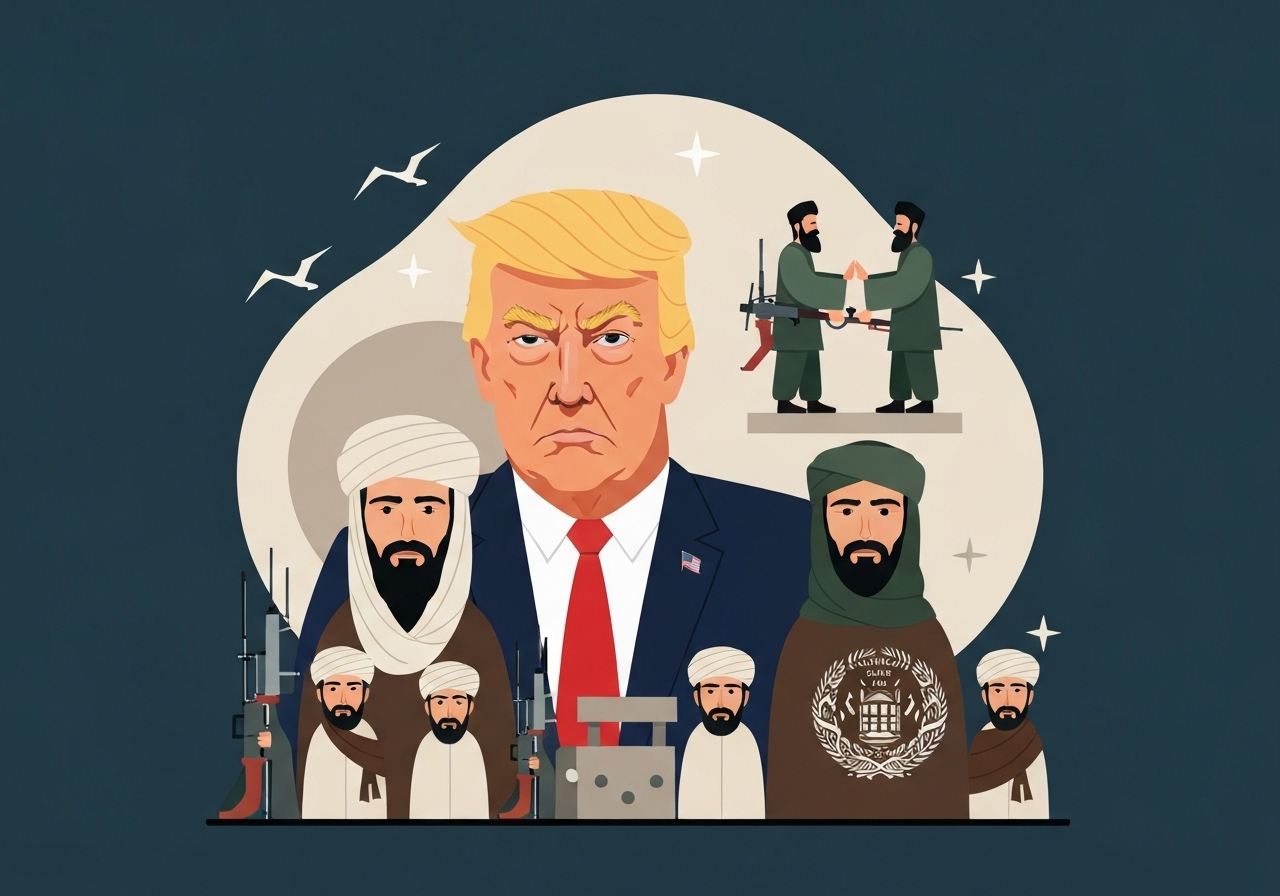
Lead: A Washington shooting this week involving a man identified as one of roughly 76,000 Afghans admitted to the United States after the 2021 U.S. withdrawal has reignited debate over Operation Allies Welcome. Former President Donald Trump sharply condemned the resettlement program and called for reviews of arrivals, while officials and resettlement groups defended screening steps and warned against broad generalizations. The accused, identified by law enforcement as Rahmanullah Lakanwal, was reported to have worked with the CIA in Kandahar before coming to the U.S.; investigators are still gathering facts about motive and timeline. The incident has produced immediate policy statements, legal steps and renewed scrutiny of refugee vetting and assistance programs.
Key Takeaways
- About 76,000 Afghans arrived in the U.S. under Operation Allies Welcome after the 2021 withdrawal, according to government figures.
- The alleged shooter, Rahmanullah Lakanwal, was identified by authorities as having worked with the CIA in Kandahar; specifics of his role remain under investigation.
- Lakanwal lived in Bellingham, Washington, with his wife and five children and was reportedly granted asylum in April under the Trump administration, per veteran advocacy groups.
- Resettlement included extended screenings: fingerprinting, iris scans, interviews and risk assessments, advocates say.
- States with notable Afghan resettlement include northern Virginia, Northern California, Texas and several others with 1,000–3,000 arrivals each, per State Department summaries.
- Former President Trump and some officials called for a halt or review of the resettlement process; resettlement organizations urged against politicizing a single criminal act.
- Trump’s administration previously suspended much federal funding for resettlement after taking office in January, complicating assistance networks.
Background
The U.S. military withdrawal from Afghanistan in 2021 ended nearly 20 years of American military involvement following the Sept. 11, 2001 attacks. In the chaotic final phase as the Taliban regained control, the U.S. evacuated tens of thousands of Afghans who had assisted American efforts or faced danger under Taliban rule. The federal program known as Operation Allies Welcome was established to process, screen and resettle those evacuees across the United States.
Operation Allies Welcome combined temporary shelter at military bases, medical screening and immigration processing intended to transition people into civilian life in the U.S. Over months, many evacuees were moved from bases such as Joint Base McGuire-Dix-Lakehurst, Fort McCoy and Fort Bliss into communities with existing Afghan populations. The program was administered amid political debate about the pace and thoroughness of vetting, and later faced resource and funding constraints after policy changes at the federal level.
Main Event
Law enforcement identified the suspect in the Washington shooting as Rahmanullah Lakanwal, who U.S. officials say previously worked “as a member of a partner force in Kandahar” for the CIA, according to a statement from CIA leadership. Authorities said Lakanwal drove from his home in Bellingham, Washington, to the area where two National Guard members were shot; investigators continue to reconstruct his movements and actions before the incident.
Officials and political leaders responded quickly. Former President Trump used social media to denounce the resettlement program and promised a review of Afghan arrivals handled under Operation Allies Welcome. CIA Director John Ratcliffe criticized the decision to allow the accused entry, calling it part of what he described as broader administrative failures; resettlement groups pushed back against attributing the acts of one individual to a whole population.
Community groups and former colleagues described different portraits: some Afghans resettled in the U.S. have worked for American forces for years and see the move as a chance to rebuild lives, while local authorities and federal investigators stressed the criminal investigation must proceed on the basis of evidence. Initial public details focused on Lakanwal’s prior association with U.S. forces in Kandahar, his asylum status and his residence with family in Bellingham.
Analysis & Implications
The shooting has immediate policy implications: calls for additional vetting and program reviews will likely intensify pressure on immigration and defense agencies that handled Operation Allies Welcome. Political actors may use the case to press for changes in refugee admissions, funding for resettlement agencies, or tighter post-arrival monitoring; such shifts would affect tens of thousands already integrated into U.S. communities.
Operationally, resettlement involves layered security checks—biometric collection, interagency background reviews and interviews—but no screening process is infallible. Experts caution that increasing barriers could slow assistance to at-risk partners and leave vulnerable people in precarious transit conditions or hostile environments. Policymakers face a trade-off between public-safety precautions and obligations to allies who assisted U.S. efforts abroad.
There are also local consequences: communities that absorbed Afghan arrivals have invested in housing, schooling and services for families. A sudden reduction in resettlement funding, as occurred with earlier executive actions that limited federal support, can strain charity, religious and local-government providers. Conversely, transparent reporting and targeted oversight could bolster public confidence without wholesale suspension of programs.
Comparison & Data
| Metric | Approximate figure |
|---|---|
| Total Afghan arrivals under Operation Allies Welcome | ~76,000 |
| States with 1,000–3,000 arrivals (examples) | Arizona, New York, Florida, Georgia, Colorado, Nebraska, Pennsylvania |
| Major resettlement hubs | Northern Virginia, Northern California, Texas |
These figures summarize publicly reported State Department and program data about the distribution of Afghan evacuees in the U.S. While total numbers reflect arrivals processed under Operation Allies Welcome, local counts vary over time as families move for work, housing or community ties. The table aims to give immediate context to where populations settled and the program’s national scope.
Reactions & Quotes
Federal and political reactions have been swift and polarized, reflecting broader debates on immigration and national security.
This individual—and so many others—should have never been allowed to come here. Our citizens and servicemembers deserve far better than to endure the ongoing fallout from the Biden Administration’s catastrophic failures.
John Ratcliffe, CIA Director (statement)
Ratcliffe framed the incident as evidence of programmatic lapses, urging a tougher posture. Resettlement advocates warned against conflating one criminal act with the entire population of evacuees who underwent screening.
If they can’t love our country, we don’t want them.
Donald J. Trump, former U.S. President (social media)
Trump’s remarks signaled intentions to review or pause arrivals processed under Operation Allies Welcome; critics said the language risks stigmatizing refugees and could fuel local backlash. Community leaders and organizations working with evacuees urged patience while officials complete the investigation.
I don’t want people to leverage this tragedy into a political ploy.
Shawn VanDiver, President, #AfghanEvac (resettlement advocacy)
Advocates emphasized that many Afghans resettled through legal, documented pathways and that assistance networks remain essential to integration and safety.
Unconfirmed
- Specific motive for the shooting remains under investigation; no definitive public determination has been released by law enforcement.
- Details about the precise nature and duration of Lakanwal’s work with the CIA beyond a statement that he served with a partner force in Kandahar have not been confirmed publicly.
- Whether any screening steps failed or were omitted in this individual case has not been established; official reviews are ongoing.
Bottom Line
The shooting has sharpened a national debate about refugee resettlement, vetting and the balance between security and humanitarian obligations. while facts about the suspect’s past association with U.S. forces and his asylum status are established, investigators have not disclosed a clear motive.
Policy outcomes could include renewed reviews of arrivals, calls for expanded or altered vetting, and potential reductions in resettlement funding—moves that would affect both newly arrived refugees and long-term community integration efforts. Readers should watch official investigative updates and statements from the Department of Homeland Security, State Department and local law enforcement for the most reliable, confirmed information.
Sources
- Associated Press (news report on shooting, names and program details)
- U.S. Department of State (official information on Operation Allies Welcome and refugee processing)