
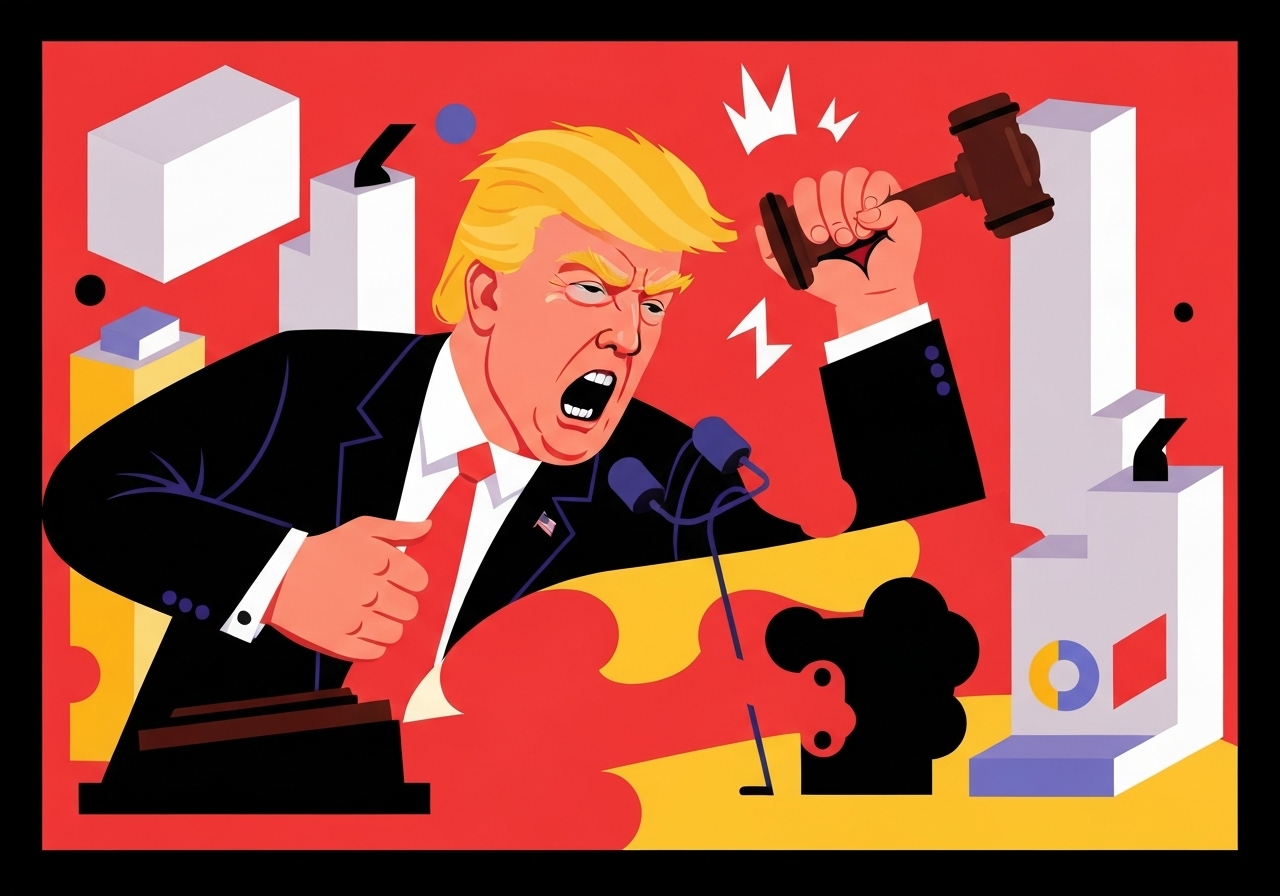
On 3 September 2025 in Washington, the US Justice Department and the Federal Trade Commission pledged to press a series of antitrust actions against Google, Apple, Amazon and Meta even after a federal judge limited remedies in the department’s high‑profile Google search case.
Key Takeaways
- The Department of Justice (DoJ) and FTC say enforcement will continue despite a narrower court remedy in the Google search case.
- Judge Amit Mehta barred exclusive distribution deals and ordered greater sharing of search data rather than forcing a Chrome sale.
- DoJ seeks further remedies in a separate Google digital‑advertising suit, with a Virginia trial phase on divestments scheduled later this month.
- Apple, Meta and Amazon remain targets: Apple faces a DoJ smartphone monopoly suit; the FTC pursues Meta over social‑networking market power and Amazon over Prime.
- The administration balances a deregulatory rhetoric abroad with aggressive domestic antitrust enforcement.
- Tech leaders have courted the White House, but that outreach has not halted legal action.
Verified Facts
On Tuesday Judge Amit Mehta resolved remedies in the government’s search monopoly case by banning exclusive distribution agreements and requiring broader access to search data. The DoJ had sought more drastic measures, including forcing Google to sell its Chrome browser and undo multibillion‑dollar placement agreements with partners such as Apple.
The DoJ’s antitrust division, led by Gail Slater — nominated in December and publicly committed to pursuing Big Tech — said the agency will continue its litigation. Slater said, “We’re not done,” and wrote that “the United States will not tolerate the abuse of power by digital monopolies.”
Google also faces a separate DoJ suit over digital advertising; prosecutors plan to pursue divestments of parts of Google’s advertising business in the next phase of that Virginia trial later this month. Separately, the FTC has pushed forward with a monopolization case against Meta and a challenge to Amazon’s Prime practices.
Corporate leaders have sought engagement with the administration. Tim Cook met the president in the Oval Office after announcing an additional $100bn US investment; Sundar Pichai, Jeff Bezos and Mark Zuckerberg have also courted the White House and supported the inauguration fund. Those contacts have not, so far, stopped enforcement actions.
Context & Impact
The administration’s approach mixes two themes: a public push to reduce regulatory burdens on US industry internationally, and tougher antitrust enforcement at home. Officials have criticised EU digital rules and warned of tariffs or export controls against countries whose tech rules are deemed discriminatory.
Legal outcomes now matter more than political outreach. The narrower remedy in the Google search ruling was welcomed by investors because it avoided a breakup scenario, but prosecutors and regulators are still seeking structural and behavioural fixes across several high‑stakes cases.
Industry impact could include renewed pressure on platform business models, forced sharing of data or divestments in advertising technologies. For consumers and rivals, the DOJ and FTC contend these steps are aimed at restoring competition in search, advertising and app distribution.
“The Trump‑Vance FTC will never back down from taking on Big Tech,”
Andrew Ferguson, FTC Chair
Unconfirmed
- Whether the DoJ will appeal the remedies decision in the Google search case.
- Any private settlement talks between the White House and tech companies that might affect pending litigation.
- How negotiations over trade measures and EU digital rules will alter enforcement or cross‑border regulatory cooperation.
Bottom Line
Despite signs of a softer political posture toward big technology abroad and high‑profile meetings with CEOs, the US antitrust apparatus under the current administration is maintaining a robust litigation agenda. Multiple court timetables in September and beyond will determine whether remedies remain behavioural or become structural, shaping the future competitive landscape of digital markets.