
Lead
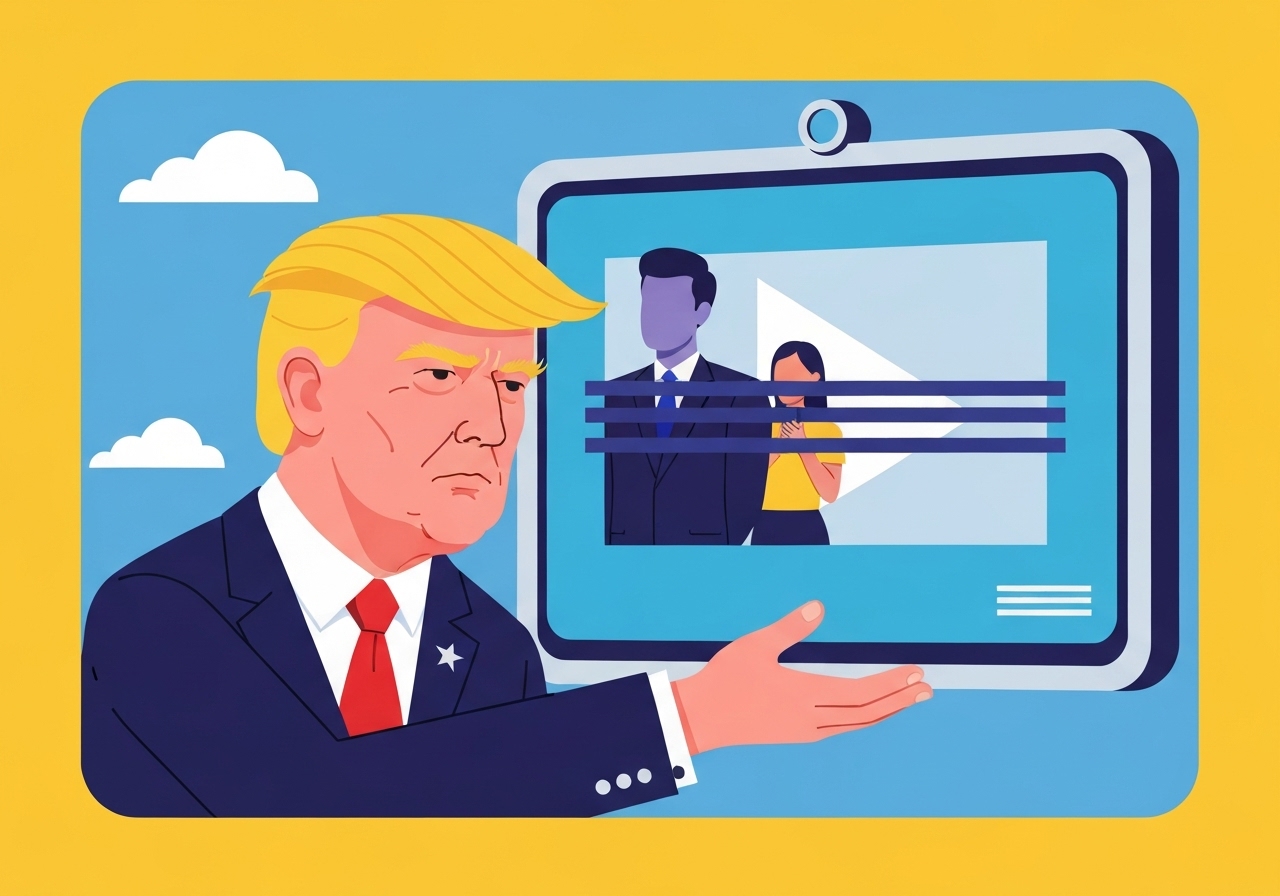
President Donald Trump was asked at a White House roundtable on Monday whether he would release footage of a second US strike at sea off Venezuela on 2 September. He rejected the premise and called the question “ABC fake news,” denying he had ever said he would make the tape public. That response contrasts with a statement on 3 December in which he said he would have “no problem” releasing any footage the government held. The exchange has intensified calls for the administration to disclose the second-strike material, which critics say may show a so-called “double tap” that allegedly killed two survivors.
Key Takeaways
- On 2 September US forces carried out a second strike at sea off Venezuela; the operation has become the focus of release requests for footage.
- On 3 December President Trump told reporters he would have “no problem” releasing whatever video the government had of the second strike.
- At a White House roundtable on Monday Trump denied ever saying he would release the footage and accused an ABC reporter of spreading “fake news.”
- Defence Secretary Pete Hegseth said on Saturday officials were “reviewing” whether to make the footage public.
- Trump posted video purportedly of the first strike on his Truth Social platform shortly after that operation ended.
- Reports say the second strike reportedly killed two survivors of the initial blast; this claim has prompted legal and human-rights scrutiny.
- Several legal experts told BBC Verify that a “double tap” attack — striking rescuers after an initial strike — is likely inconsistent with international law.
Background
The strikes off the Venezuelan coast in early September have drawn attention because of their timing and the extraordinary request to release operational footage. Military strikes that hit survivors or rescuers are rare in contemporary US public discourse, and allegations of a “double tap” raise familiar questions about rules of engagement and proportionality. In recent weeks pressure has grown from media, legal experts and human-rights groups seeking transparency about what happened and why.
President Trump has at times used social platforms to publish operational media: a clip purportedly of the first strike was posted on his Truth Social account shortly after the operation. That posting set expectations among critics and the public that other footage might also be shared. At the same time, Pentagon and White House officials have variously framed release decisions as subject to review for operational security and legal considerations.
Main Event
The immediate controversy began when an ABC News reporter asked the president at a White House roundtable whether he would release footage of the second strike carried out on 2 September. According to the exchange, Trump interrupted and denied the reporter’s characterization, calling the outlet “fake news” and later describing the reporter in personal terms. The denial marked a shift in tone from remarks he made days earlier.
On 3 December, when questioned about the same second strike, Trump told reporters he did not know what material existed but that “whatever they have, we’d certainly release — no problem.” That statement has been cited by critics as evidence the administration has been inconsistent in its public posture on transparency. Officials including Defence Secretary Pete Hegseth later said the footage was under review, signaling a continuing internal debate.
The second strike has been linked in multiple reports to the deaths of two people described as survivors of the first blast. Those accounts have not been fully corroborated in public documents released by the US government, but they have intensified calls for the administration to publish video to clarify what occurred. Legal experts contacted by BBC Verify have said that a follow-up strike on rescuers could breach international humanitarian law, depending on the facts.
Analysis & Implications
The president’s conflicting public statements illustrate a broader tension between claims of transparency and the operational, legal and diplomatic constraints that constrain releasing military footage. A pledge to publish material “no problem” can be politically useful in calming critics but raises expectations that the administration may not be ready to meet when other factors—intelligence sources, ongoing investigations, allied sensitivities—come into play.
If the second-strike footage shows rescuers being targeted after an initial explosion, the legal and reputational consequences could be significant. International-law scholars say a “double tap”—striking people attempting to render aid—may violate the principles of distinction and proportionality. That could prompt inquiries from international bodies and further complicate US relations with regional partners.
Domestically, inconsistent messaging can erode public trust. The president’s direct denials to a domestic reporter, juxtaposed with his earlier willingness to release footage, feed partisan narratives about selective transparency. For the military and policymaking establishments, the episode underscores the challenge of managing operational secrecy while responding to democratic demands for accountability.
Comparison & Data
| First strike | Second strike | |
|---|---|---|
| Date | Operation date (earlier strike; public posting later) | 2 September |
| Public footage | Purported video posted on Truth Social | Not publicly released; under review |
| Reported casualties | Not specified in public post | Reportedly killed two survivors of the initial blast |
The table summarizes publicly reported differences: one video was posted by the president after the first operation, while footage for the 2 September second strike has not been released publicly and is reportedly under internal review. That gap is central to the transparency debate and to legal assessments about the conduct of operations.
Reactions & Quotes
Journalists and officials offered terse public statements during and after the exchange. Below are brief excerpts with context.
I didn’t say that. This is ABC fake news.
President Donald Trump — response at White House roundtable
Context: This was Trump’s immediate refutation when an ABC reporter said he had previously indicated willingness to release the second-strike video.
I don’t know what they have, but whatever they have, we’d certainly release — no problem.
President Donald Trump — comment on 3 December
Context: Days earlier the president told reporters he would have “no problem” releasing whatever footage existed, a statement critics point to as inconsistent with his later denial.
We are reviewing whether to release the footage.
Defence Secretary Pete Hegseth — Saturday statement
Context: Hegseth framed the question of disclosure as an internal Executive Branch review, emphasizing procedural considerations rather than offering a firm public decision.
Unconfirmed
- Whether the second-strike footage definitively shows rescuers being targeted remains publicly unverified; available reports describe the allegation but do not include released video for independent review.
- The precise chain of command and internal deliberations that led to the decision not to publish the second-strike footage have not been made public.
- Legal determinations about whether the operation violated international law are ongoing in analysis and have not produced a formal, public ruling.
Bottom Line
The exchange highlights a clear factual tension: the president publicly told reporters on 3 December he would have “no problem” releasing footage, but days later denied ever making that promise and attacked the questioning. That contradiction has sharpened scrutiny of administration transparency and raised substantive legal concerns about the conduct of the second strike on 2 September.
For readers, the key issues are twofold: whether the government will publish the footage to allow independent assessment, and whether the facts — if verified — point to conduct inconsistent with international humanitarian law. How the administration resolves the internal review and whether it discloses the material will shape both legal outcomes and political accountability going forward.
Sources
- BBC — live report (media)