
Lead
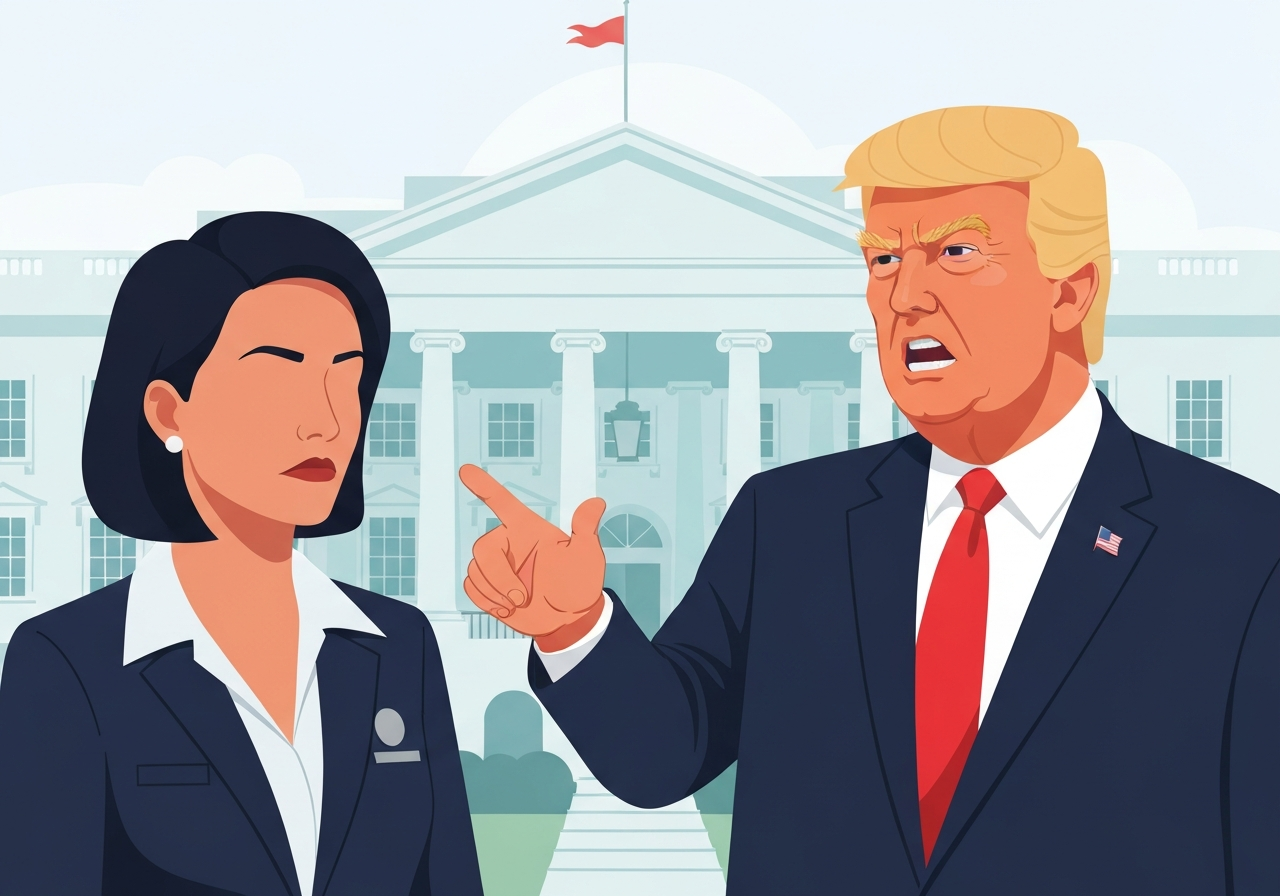
President Donald Trump on Friday ordered the Department of Homeland Security to reallocate funds so Transportation Security Administration employees can be paid, even as other DHS personnel remain unpaid during the ongoing partial government shutdown. The directive instructs DHS to identify funds with a “reasonable and logical nexus” to TSA operations so staff receive compensation. DHS said TSA workers could begin receiving paychecks as early as March 30. The move arrives while a Senate-passed DHS funding package faces turmoil in the House.
Key Takeaways
- About 60,000 TSA employees are affected by the shutdown, including roughly 47,000 transportation security officers who perform frontline screening duties.
- TSA officers missed their third scheduled paycheck Friday; DHS announced payments could begin as early as March 30.
- Nearly 500 transportation security officers have resigned since the shutdown began in February, and national call-out rates have risen to about 11%, contributing to lengthy airport screening lines in some locations.
- The president’s written direction asks DHS to use funds that have a reasonable connection to TSA operations; the order does not name a specific funding source.
- CBS News reported, citing a senior administration official, that DHS will tap money from last summer’s One Big Beautiful Bill Act to pay TSA staff; that attribution remains reported rather than confirmed by DHS in the order itself.
- Other DHS components, including CISA and FEMA, will continue to operate without pay unless Congress passes broader funding relief.
- House opposition to a Senate-passed DHS funding deal contributed to the impasse as the directive was issued.
Background
The partial government shutdown began in February and has left many DHS employees working without pay. TSA frontline staff have repeatedly warned that extended unpaid periods strain morale and operations; union leaders described workers as reaching a “breaking point.” This is described as the second prolonged shutdown within six months, heightening concern across multiple federal agencies.
Legally and administratively, agencies can sometimes reprogram or redirect funds within statutory limits; the administration’s order directs DHS to identify accounts with a logical nexus to TSA duties. Congressional funding negotiations have been contentious: the Senate passed a DHS funding measure, but that package faced GOP opposition in the House, complicating prospects for immediate, broad-based pay restoration.
Main Event
The president’s written directive instructs DHS leadership to use available appropriations that are reasonably tied to TSA operations to compensate TSA employees for wages and benefits they would have earned absent the lapse. DHS issued a statement saying the agency has “immediately begun the process of paying its workforce,” and that paychecks for TSA officers could arrive as early as Monday, March 30.
The order stops short of naming specific accounts or detailing the accounting maneuvers DHS will employ. Media reporting has pointed to funds carried from last summer’s One Big Beautiful Bill Act as a likely source, but DHS did not list that statute in its formal directive. Administration spokespeople framed the move as targeted relief to frontline aviation security workers.
Operational indicators show the shutdown has had measurable effects on TSA staffing: about 500 officers have quit since February and call-out rates have ticked up to around 11% nationwide. Those trends have been cited by airport officials and travelers experiencing longer screening lines at some hubs.
Analysis & Implications
Reallocating funds within DHS to pay TSA employees addresses immediate payroll pain for roughly 60,000 workers, but it raises administrative and legal questions. Agencies must comply with appropriations law, and any reprogramming typically requires internal reviews and, depending on the accounts involved, notice to congressional appropriations committees. The administration’s direction references legal authorization for later adjustments once regular TSA funding is restored.
Politically, the action can be read two ways: a targeted effort to relieve frontline employees, and a tactical move to blunt criticism of administration handling of the shutdown. Democrats pointed to the measure as evidence the administration could have paid workers earlier, while some House Republicans continued to oppose the broader Senate funding package that would have covered more DHS employees.
Operationally, paying TSA staff may help reduce resignations and lower call-out rates, calming screening backlogs in the near term. But other DHS elements—such as CISA and FEMA—remain unpaid, and the directive does not change that reality. Without a comprehensive funding resolution, morale and mission readiness across the department may degrade further.
Comparison & Data
| Metric | Figure |
|---|---|
| Total TSA employees affected | ~60,000 |
| Transportation Security Officers | ~47,000 |
| Resignations since shutdown began | ~500 |
| Call-out rate (national) | ~11% |
| Paychecks missed | 3 (as of Friday) |
The numbers show concentrated pressure on frontline screening staff. Nearly 500 departures since February and an 11% call-out rate indicate staffing stress that correlates with reported longer lines at some airports. Restoring pay to this cohort could stabilize immediate operations, but the table underscores gaps that a partial funding maneuver may not resolve.
Reactions & Quotes
Officials and lawmakers offered sharply different takes on the move. DHS framed the action as directed relief; Democrats criticized the timing and scope.
“TSA officers should begin seeing paychecks as early as Monday, March 30,”
DHS spokesperson (official statement)
The administration emphasized leadership to return funds to employees; opponents said the directive highlights a choice not to pay staff earlier.
“I am glad that this administration has finally chosen to pay these workers, after choosing not to for 41 days,”
Rep. Rosa DeLauro (D-Conn.), House Appropriations Ranking Member
CBS News reported a potential funding source, which added another layer to political debate about transparency and priorities.
“DHS would use funding from last summer’s One Big Beautiful Bill Act to pay TSA employees,”
CBS News (reported attribution to a senior administration official)
Unconfirmed
- The exact accounts DHS will use to pay TSA employees have not been specified in the formal order; media reports citing the One Big Beautiful Bill Act remain unverified by DHS in the directive text.
- It is unclear whether Congress will require DHS to reimburse the used accounts or whether internal adjustments will fully restore planned expenditures once regular funding returns.
- The long-term effect on retention rates and call-out percentages if payments resume temporarily has not been independently measured and remains uncertain.
Bottom Line
The administration’s directive provides immediate, targeted relief for roughly 60,000 TSA workers by instructing DHS to identify funds tied to TSA operations and issue paychecks as soon as March 30. That step may ease frontline staffing pressures and reduce screening delays in the short term, but it does not resolve pay issues for other DHS components still operating without compensation.
Legal, administrative and political questions remain: the order does not name specific accounts, and congressional reaction—particularly in a divided appropriations environment—will shape whether the move is a durable fix or a stopgap. Observers should watch for committee inquiries about fund reprogramming, adjustments to DHS accounts once regular funding is restored, and whether a broader funding deal emerges to end the shutdown for all DHS personnel.