
Lead
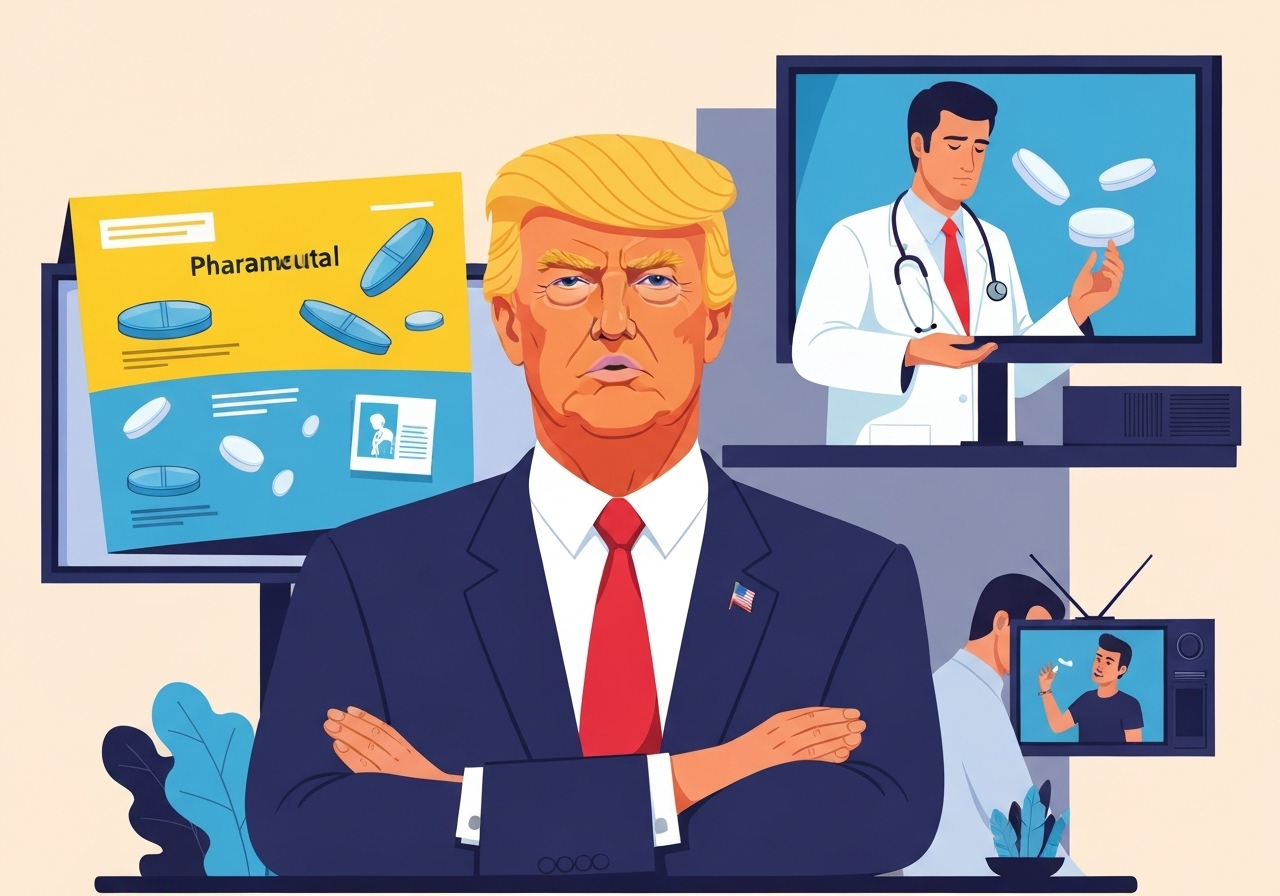
On Sept. 9, 2025, President Trump signed a memorandum directing the administration to revive a 1990s-era policy that would sharply limit prescription drug advertising on television. The directive aligns with Health Secretary Robert F. Kennedy Jr.’s long-standing priority to curb direct-to-consumer (DTC) drug ads on broadcast TV. The change would effectively roll back the 1997 shift that opened the door to widespread TV drug promotion and could reduce a major revenue stream for drugmakers and networks. The White House said the policy would be implemented through a formal rule-making process led by the Food and Drug Administration.
Key Takeaways
- The memorandum was signed Sept. 9, 2025, and directs the administration to pursue restrictions on TV prescription drug advertising.
- The move aims to reinstate a 1990s-style approach that limited most drug ads on television, reversing policy changes dating to 1997.
- Health Secretary Robert F. Kennedy Jr. has made banning or curbing TV drug ads a top public-health priority.
- Pharmaceutical companies and major broadcast networks stand to lose substantial advertising revenue if TV spots are curtailed.
- The White House intends to use rule-making at the FDA rather than immediate executive orders, opening a formal regulatory process.
- Past attempts to limit drug advertising on First Amendment grounds have been blocked by courts, signaling likely legal challenges ahead.
- Public-health advocates say reducing DTC ads could lower inappropriate prescribing; industry groups warn of reduced patient information about therapies.
Background
Direct-to-consumer prescription drug advertising on U.S. television expanded rapidly after policy changes in the late 1990s. In 1997 regulatory interpretations relaxed prior constraints, permitting longer, product-focused TV spots that included benefit claims and required risk disclosures. That shift coincided with larger advertising budgets in the pharmaceutical sector and a growing reliance by networks on high-value ad buys aimed at older viewers, who consume more television and are frequent prescription drug users.
Supporters of limiting TV ads argue that DTC promotion can overstate benefits, underplay risks, and drive demand for expensive branded medicines. Opponents—primarily manufacturers and some free-speech advocates—contend that DTC advertising informs patients about treatment options. Courts have historically weighed First Amendment protections for commercial speech against regulatory interests in preventing misleading advertising, producing a body of case law that has constrained agency actions.
Main Event
The Sept. 9 memorandum tasks the administration and the Food and Drug Administration with developing new rules to restrict or largely remove prescription drug advertising from broadcast television. The White House framed the initiative as a public-health measure aligned with the health secretary’s priorities and said the change would proceed through notice-and-comment rule-making rather than immediate enforcement changes. Officials characterized the step as a restoration of earlier policy, not an abrupt ban without procedural safeguards.
Pharmaceutical trade groups are expected to mount an aggressive legal and lobbying response, pointing to previous court rulings that have sided with industry on commercial-speech grounds. Major networks, which receive a significant portion of ad spending from drugmakers targeting older demographics, warned privately that their advertising models could be disrupted if television spots are restricted. Industry analysts say advertisers may shift dollars to digital platforms, print, or point-of-care channels if TV options narrow.
The memorandum does not yet define the precise scope or timeline for restrictions, leaving key questions—such as whether ads with major-risk disclosures would be permitted on non-broadcast platforms—open. The administration’s reliance on formal rule-making means public comments and regulatory review will shape final language, and courts may be asked to weigh in if the rule is finalized and challenged.
Analysis & Implications
Economically, a restriction on TV drug advertising would redistribute advertising dollars across media and could reduce short-term revenue for both pharmaceutical firms and broadcast networks. Pharmaceutical companies that rely on DTC campaigns to drive brand awareness or demand for high-cost specialty drugs could see slower uptake for some products; networks that sell premium time slots to advertisers seeking older viewers could face immediate revenue pressure.
Legally, any new rule will confront the established commercial-speech framework in U.S. constitutional law. Courts have repeatedly required regulators to show that restrictions on advertising directly advance a substantial governmental interest and are narrowly tailored. The administration’s use of notice-and-comment rule-making strengthens its procedural footing but does not eliminate the prospect of injunctions or protracted litigation.
From a public-health perspective, advocates for tighter controls argue that reducing TV DTC ads could lower inappropriate prescribing and weaken the commercial pressure on clinicians and patients to choose newer, costlier brand-name products. Critics counter that advertising can raise awareness of underused therapies and encourage patients to discuss treatments with clinicians. The net effect on health outcomes will depend on how restrictions are designed and whether alternative channels fill the information gap.
Comparison & Data
| Era | TV Drug Advertising | Regulatory Stance |
|---|---|---|
| Pre-1997 | Limited broadcast promotion; shorter, more constrained messaging | Stricter enforcement and narrower interpretation of permissible TV ads |
| Post-1997 | Broad availability of DTC TV spots highlighting specific products | Looser interpretation enabling longer promotional ads with risk disclosures |
The table above summarizes the broad shift in practice after 1997. While exact ad volumes and spending levels are not specified in the memorandum, industry reports over the past two decades have documented substantial growth in DTC spending. Any formal rule will be analyzed against historical patterns to estimate revenue shifts and likely migration to other channels.
Reactions & Quotes
Officials, experts and industry groups offered measured responses following the memorandum, reflecting the policy’s contested nature and the likely legal fights ahead.
“The approach that they are proposing to follow would in essence remove direct-to-consumer advertising from television.”
Dr. David Kessler, former FDA commissioner
“The administration plans to pursue this change through the FDA’s rule-making process,”
White House statement (paraphrase of official release)
Industry groups have signaled they will challenge any restriction that they view as exceeding First Amendment bounds, while public-health advocates praised the move as long overdue.
Public reactions summarized from multiple statements
Unconfirmed
- The exact legal language, scope and timeline of any FDA rule are not yet public and remain unconfirmed.
- Specific estimates of revenue loss for pharmaceutical companies or networks have not been released and will depend on the final rule’s contours.
- Whether digital or targeted advertising will be constrained in parallel with TV advertising is not specified and remains uncertain.
Bottom Line
The Sept. 9, 2025 memorandum marks a formal attempt by the administration to reverse a decades-old loosening of TV prescription drug advertising rules and reflects a central policy aim of Health Secretary Robert F. Kennedy Jr. The move initiates a regulatory pathway rather than an immediate ban, but it signals strong executive intent to curb DTC television promotion.
Given past judicial protections for commercial speech, the final outcome will hinge on how narrowly the FDA drafts a rule and on subsequent court review. Stakeholders—from drugmakers to broadcasters to patient advocates—will use the rule-making record and possible litigation to press competing views about public health, consumer information, and constitutional limits.
Sources
- The New York Times (news) — base reporting on memorandum signed Sept. 9, 2025 and related statements.