
Lead
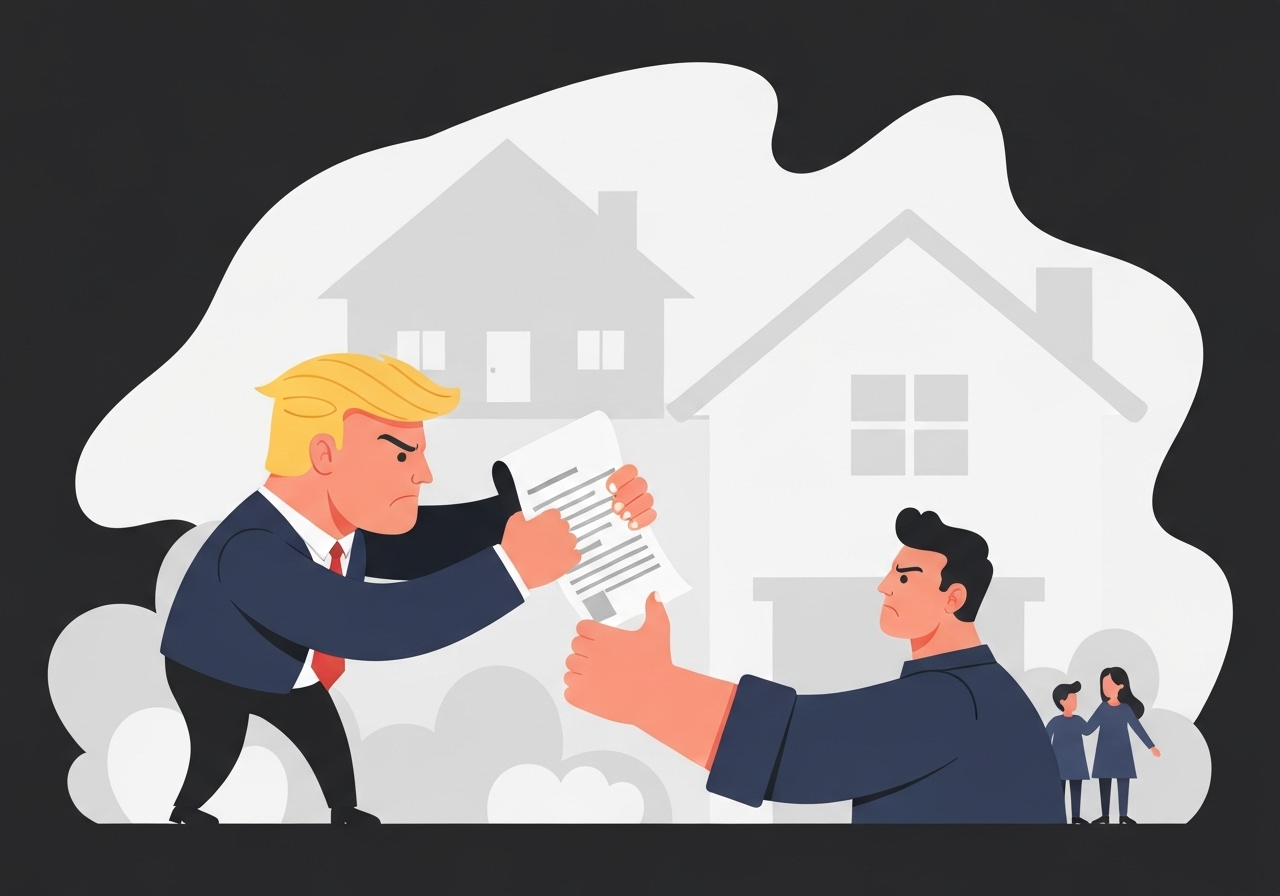
On Dec. 23, 2025, the U.S. Department of Education said the Trump administration will begin garnishing wages of federal student loan borrowers who are in default early next year. The department plans to send notices to roughly 1,000 borrowers the week of Jan. 7, with notices expanding in scale each month. Borrowers are considered in default after 270 days past due, and the department says it will provide the statutorily required 30 days’ notice before garnishment begins.
Key takeaways
- Notices: About 1,000 borrowers will receive notices the week of Jan. 7, 2026; the department plans to increase notices monthly.
- Default definition: A federal student loan account is legally in default after 270 days without payment.
- Notice requirement: The Education Department must give borrowers 30 days’ notice before initiating wage garnishment.
- Earlier collection steps: In May 2025 the administration lifted the pandemic-era pause and resumed some collections via tax refund offsets and other federal payments.
- Payment history: Federal student loan payments formally resumed in October 2023, with the Biden administration having extended a one-year grace period at that time.
- Scale: Millions of borrowers are classified as in default nationwide, though initial garnishments will begin with a small cohort.
- Legal context: Broad loan-forgiveness efforts previously advanced by the Biden administration were halted by courts, shaping the current policy environment.
Background
The U.S. paused federal student loan payments and collections in March 2020 at the start of the COVID-19 pandemic. That moratorium kept most federal loans from entering collections for more than five years, sheltering many borrowers from wage garnishment and other federal collection tools.
Payments formally restarted in October 2023. At that time, the Biden administration implemented a one-year grace extension for many borrowers; subsequent policy shifts under the current administration reversed some of that leniency. In May 2025 the Education Department ended the pandemic-era pause and reinstated certain collection mechanisms such as tax refund offsets and other federal payment withholdings.
Main event
The Department of Education announced on Dec. 23, 2025, that wage garnishment for borrowers in default will resume early in 2026. The department will begin by sending roughly 1,000 notices the week of Jan. 7 and intends to scale those notices up month by month. Officials say garnishment will proceed only after borrowers receive the required notice and an opportunity to repay or enroll in alternative plans.
Wage garnishment is a formal administrative step that typically involves employers withholding a portion of an employee’s paycheck to repay federal debt. The Education Department says it will follow statutory procedures, which include a 30-day notice period before withholding begins. The department also emphasizes that parent borrowers will be subject to the same processes.
The department’s plan follows earlier collection moves this year, including using withholding of tax refunds and other federal payments to collect on long-standing defaults. Those earlier steps marked a return to active enforcement after more than five years in which defaulted federal loans were not commonly referred to collections.
Analysis & implications
Resuming wage garnishment signals a significant policy shift with immediate household-level consequences. For wage-earners in default, garnishment reduces take-home pay and can intensify short-term financial stress, especially for workers already facing stagnant wages and rising living costs.
Administratively, garnishment can be efficient for recovering outstanding balances because it taps payroll systems rather than relying on voluntary repayment. However, critics argue it often pushes struggling borrowers deeper into financial distress and may not be the most effective long-term collection strategy compared with income-driven repayment or loan rehabilitation.
Politically, the move could sharpen debate over federal student loan policy ahead of future elections. Supporters frame garnishment as enforcement of existing law and fairness to taxpayers; opponents say it penalizes vulnerable households and reflects a policy choice to prioritize collections over borrower relief.
Internationally and economically, large-scale garnishment could have modest macro effects if many households see reduced consumption. The policy’s broader fiscal impact depends on the number of successful recoveries relative to administrative costs and potential increases in delinquency of other obligations caused by reduced disposable income.
Comparison & data
| Event | Date | Action |
|---|---|---|
| Pandemic pause begins | Federal student loan payments and collections halted | |
| Payments restarted | Borrower payments resumed after pause | |
| Pause formally ended by administration | Collections resumed, including tax refund offsets | |
| Garnishment notices begin | ~1,000 notices initially; monthly scale-up planned |
The table places this garnishment step in the broader timeline since 2020. While millions are technically in default, the department plans a phased approach that starts with a small number of notices before expanding. The effectiveness and public response will likely be measured by how quickly notices scale and how many borrowers secure alternative repayment arrangements.
Reactions & quotes
“Only after student and parent borrowers have been provided sufficient notice and opportunity to repay their loans,”
U.S. Department of Education (official statement)
The department framed the action as compliant with legal notice requirements and as limited to borrowers who have exhausted other options.
“This administration’s decision to garnish wages from defaulted student loan borrowers is cruel, unnecessary, and irresponsible,”
Persis Yu, Student Borrower Protection Center (advocacy)
Persis Yu criticized the move as punitive, arguing the department has not done enough to help borrowers access affordable payment plans or rehabilitation options.
Unconfirmed
- The total number of borrowers who will ultimately face wage garnishment has not been released; the department provided only the initial ~1,000-notice figure and said it would scale up.
- Exact monthly scaling rates and the projected timeline for broader roll-out remain unspecified and were not published with the announcement.
Bottom line
The Education Department’s plan to restart wage garnishment for defaulted federal student loans marks a clear return to active collections after a multi-year pause. The initial, limited set of notices the week of Jan. 7 is intended as the start of a phased enforcement program that will expand in scope in the months that follow.
For policymakers and borrowers alike, the near-term focus will be on whether the administration pairs enforcement with expanded access to repayment options that prevent further financial harm. The policy is likely to prompt legal, political, and public scrutiny as its scope and effects become clearer.