
Lead
President Donald Trump drew sharp criticism from prominent corners of his MAGA base after telling Fox News that the United States sometimes needs to “bring in talent” via H-1B visas because it lacks people with “certain talents.” The remarks, aired during an appearance with Laura Ingraham on Tuesday night, prompted vocal backlash from influencers, elected Republicans and podcasters who said the comments betray the movement’s immigration priorities. The dispute adds to a string of intra-coalition clashes over legal immigration and the H-1B program since Trump returned to office in 2025. Allies such as Steve Bannon moved quickly to calm supporters and reframe the episode as a tactical setback rather than a break with Trump.
Key Takeaways
- Trump’s interview with Laura Ingraham aired Tuesday night and included remarks that the U.S. “doesn’t have certain talents,” prompting outrage from parts of his base.
- High-profile critics include Jack Posobiec, Rep. Marjorie Taylor Greene and actor Kevin Sorbo, who warned the comments could harm GOP prospects in the midterms.
- Pro-Trump commentators Benny Johnson and Charlie Kirk have publicly pushed back on H-1B visas; tech-aligned figures favor the program for access to skilled workers.
- Steve Bannon publicly urged supporters not to splinter the pro-Trump coalition, calling Trump an “imperfect instrument” and urging focus on larger goals.
- In September 2025, Trump signed a proclamation creating a $100,000 fee for some H-1B hires, a move experts say will constrain U.S. tech expansion.
- The H-1B program dates to the 1990 immigration law and covers specialty-occupation workers, including many in computer science and engineering.
- Several major tech CEOs, such as Satya Nadella and Sundar Pichai, previously entered the U.S. workforce on H-1B visas, illustrating the program’s historical role.
Background
The H-1B visa program was created in the Immigration Act of 1990 to allow U.S. employers to temporarily hire foreign workers in specialty occupations that typically require a college degree. It has long divided opinion: business and some tech leaders argue it fills skill gaps and enables innovation, while parts of the political right see it as undercutting U.S. workers and wages. That split has grown especially visible within the MAGA coalition, where tech executives and conservative populists often clash over immigration policy.
Donald Trump has a mixed record on H-1B. During his 2016 campaign he criticized the program as unfair to American workers even while acknowledging his companies used it; since returning to the presidency he has taken concrete steps to tighten rules, including a September 19, 2025 proclamation imposing a $100,000 fee for some H-1B petitions. Still, Trump has on other occasions defended the visas as a useful tool, reflecting a tension between political messaging and perceived economic needs.
Main Event
The latest controversy began when Laura Ingraham asked Trump how he would handle H-1B visas and whether they undermine efforts to raise wages for U.S. workers. Trump responded by saying he agreed with the concern but added that sometimes the country needs to “bring in talent,” and that “you don’t have certain talents and people have to learn,” comments that quickly circulated on social media. Critics on the right seized on those lines as evidence the president had abandoned hardline immigration positions.
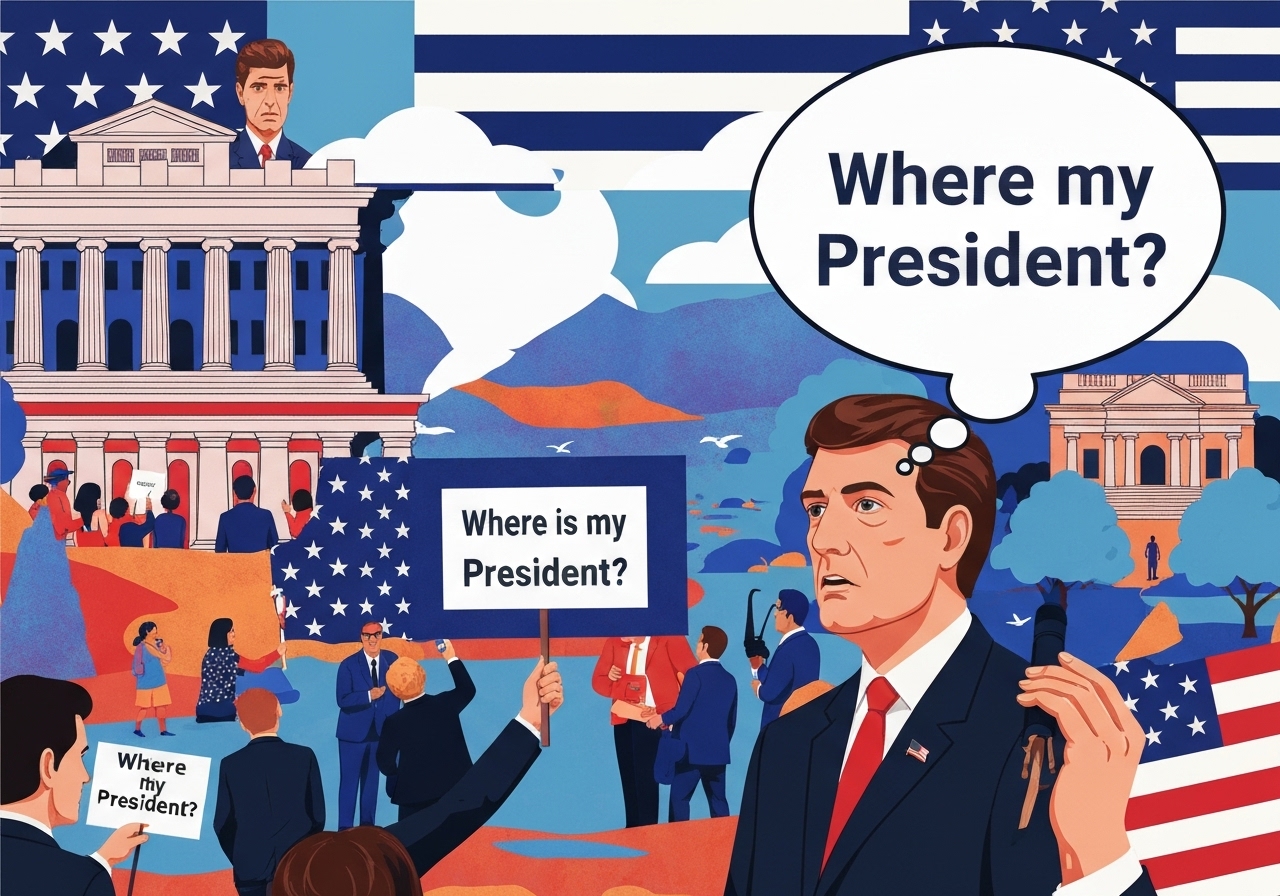
Reactions spread rapidly across platforms. Influential MAGA voices posted sharply worded condemnations; actor Kevin Sorbo warned on X that the comments could cost Republicans in the midterms, and Kylie Kremer asked, “Where is my President?” in a post expressing frustration. Podcasters and activists who long opposed H-1B framed the remarks as a betrayal of the “America First” stance they demand from the president.
In response to the blowback, Steve Bannon appeared on his “War Room” show to urge calm, calling Trump “an imperfect instrument” but imploring supporters to remain focused on broader strategic aims. Bannon’s appeal sought to limit organizational fracturing ahead of the midterms by positioning the episode as a temporary distraction rather than a real policy shift.
Analysis & Implications
The incident spotlights a structural tension within Trump’s coalition: policy choices that appeal to economic actors in tech and business can alienate populist activists who prioritize strict immigration limits. If the president frequently signals openness to selective legal immigration, hardliners may escalate public pressure, forcing the administration into rhetorical or policy concessions to preserve political unity.
Policy consequences could be concrete. The September 2025 $100,000 fee already raises the cost for companies sponsoring H-1B workers, potentially slowing hires and discouraging some foreign talent from choosing the U.S. as their base. If the administration maintains a pragmatic approach—allowing targeted hires while raising barriers through fees—it may placate business interests while claiming to uphold a tougher overall posture to voters.
Electoral implications are uncertain but real: critics argue comments like Trump’s could depress turnout or enthusiasm among core activists. Conversely, moderates and business-aligned voters may welcome access to skilled workers. How the president balances those constituencies ahead of midterm campaigns will influence coalition stability and messaging discipline.
Comparison & Data
| Year | Action | Likely effect |
|---|---|---|
| 1990 | H-1B program created | Legal pathway for skilled foreign workers in specialty occupations |
| 2016 | Trump criticized H-1B on campaign trail | Signaled populist stance against program |
| Sept 19, 2025 | Proclamation imposing $100,000 fee | Raises employer costs; may reduce hires |
The table highlights how the program’s legal origins and recent policy moves frame the current dispute. Analysts say the $100,000 fee is unprecedented in scale and will be a significant disincentive for some firms. Even so, exemptions and administrative details will determine the practical impact on hiring patterns and industry investment decisions.
Reactions & Quotes
Prominent voices on the right framed the remarks as a breach of expectations for an “America First” agenda.
“Where is my President?”
Kylie Kremer (Trump supporter)
Kremer’s post conveyed a sense of betrayal felt by parts of the base who expect firm opposition to legal immigration programs they see as harmful to U.S. workers.
“Trump’s not perfect; he’s an imperfect instrument… Without him, we’d have nothing. So stay focused.”
Steve Bannon (War Room)
Bannon urged supporters to maintain unity and focus on larger objectives despite the controversy, framing the comments as a temporary tactical issue.
“This will cost Republicans the midterms.”
Kevin Sorbo (actor, Trump supporter)
Supporters such as Sorbo framed the episode in electoral terms, warning of tangible political costs if discontent spreads.
Unconfirmed
- That Trump’s comments will definitively cost the Republican Party control in upcoming midterms; electoral effects depend on turnout and broader campaign dynamics.
- Any imminent reversal of the September 19, 2025 proclamation or immediate policy U-turn by the administration; no official retraction has been announced.
- Claims that the president’s remarks represent a permanent shift in immigration policy rather than a rhetorical misstep; administration intent remains subject to future actions.
Bottom Line
The episode underscores an unresolved trade-off at the heart of the Trump coalition: balancing the demands of business and innovation with the populist promise to prioritize American workers. Trump’s comments about needing to “bring in talent” struck at that fault line and provoked rapid, public pushback that party strategists now seek to manage.
How the administration responds in policy detail and messaging will matter more than any single interview. If the White House follows through with tougher administrative barriers like the $100,000 fee while permitting narrowly defined hires, it may preserve business access to talent without ceding political ground to hardliners. But the episode is a reminder that coalition management, not just policy design, will shape outcomes ahead of the midterms.
Sources
- ABC News — news organization (original reporting used in this article)
- Fox News (Ingraham Angle) — broadcast/interview program (site of the aired interview)
- New York Post — news organization (previous interview references)
- U.S. Citizenship and Immigration Services — government agency (H-1B program information)