
Lead
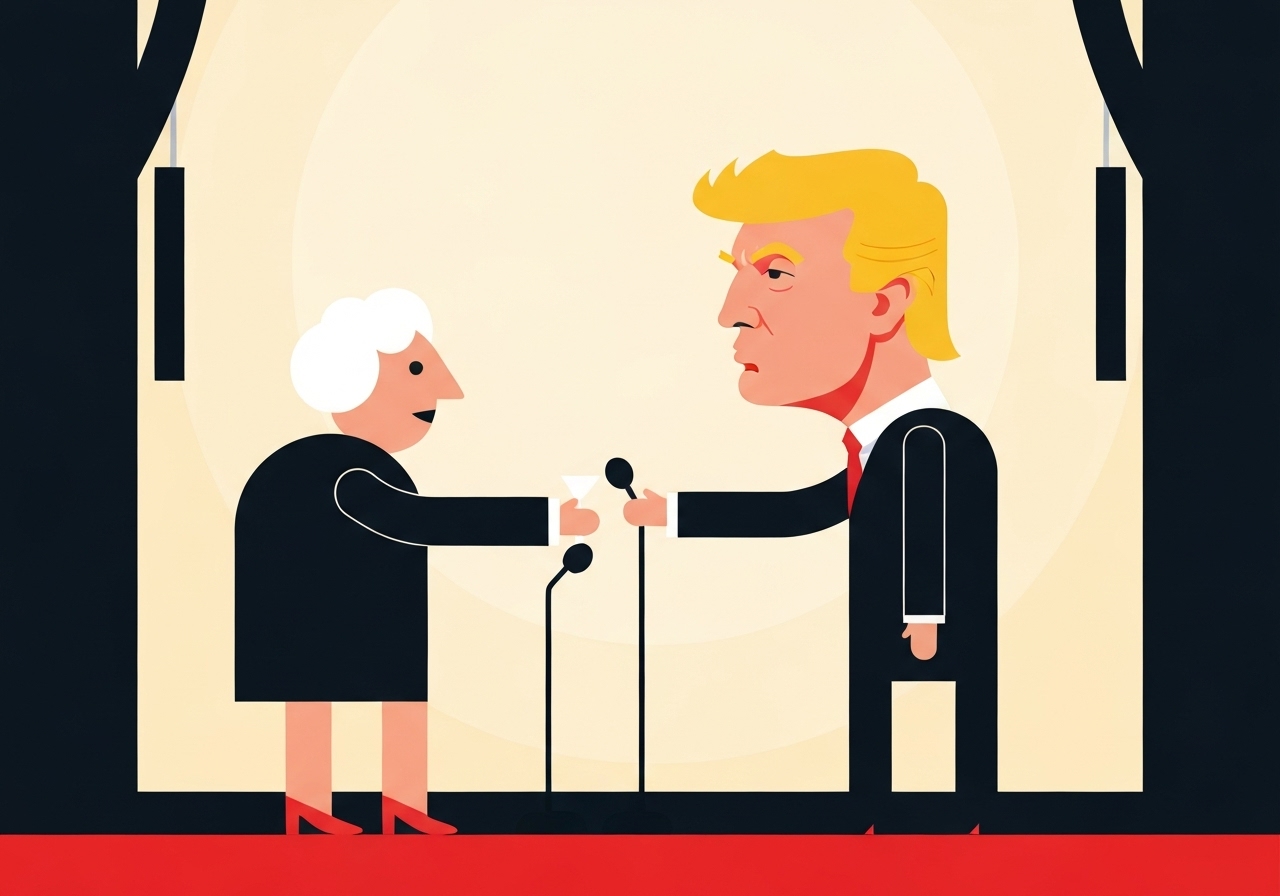
On Saturday evening, December 6, 2025, President Donald J. Trump welcomed the 2025 Kennedy Center honorees to the Oval Office for a medal-presentation ceremony honoring George Strait, Michael Crawford, Sylvester “Sly” Stallone and the rock band Kiss. Trump praised the group as a uniquely accomplished class and promoted his role in the selection and upcoming televised tribute. Richard Grenell, who Trump appointed earlier this year to lead the Kennedy Center, stood behind the president during the presentations. Trump also said he will host the taped tribute, predicting unusually high television ratings.
Key Takeaways
- Honorees: Country star George Strait, actor-singer Michael Crawford, actor Sylvester Stallone and the rock band Kiss received 2025 Kennedy Center medals in the Oval Office on Dec. 6, 2025.
- Venue and season: The ceremony took place in the Oval Office; the formal tribute performances were scheduled to be taped the next day and broadcast later in December 2025.
- Administration involvement: Trump said he was “about 98% involved” in selecting the class; since taking office he has replaced the center’s board with supporters and appointed Richard Grenell as president in February 2025.
- Medallions: Trump noted the medallions were redesigned by Tiffany & Co., citing a long-standing relationship between the company and his properties.
- Television plans: Trump announced he would host the taped Kennedy Center Honors broadcast and predicted it would be the highest-rated edition ever.
- Historical note: Presidents routinely attend the Honors program; no sitting U.S. president had previously served as the program’s host.
Background
The Kennedy Center Honors, established in 1978, recognize lifetime contributions to American performing arts across music, theater, dance, film and popular culture. Traditionally, the program combines an awards ceremony with a series of tribute performances and a televised broadcast later in the year. Presidents and first spouses have often attended the Honors as part of ceremonial support for the arts.
Donald Trump did not attend the Kennedy Center Honors during his first term and did not participate in the organization’s annual awards program. Since his return to the White House, the administration has moved quickly to reshape the center’s governance: Trump removed the existing board of trustees and replaced it with individuals aligned with his administration’s priorities, and he has pledged a comprehensive renovation of the facility.
Main Event
The Oval Office gathering on Dec. 6 featured brief remarks from President Trump, who called the honorees “truly exceptional” and said they had “inspired, uplifted and unified millions and millions of Americans.” He framed the event as one of national celebration and repeatedly emphasized the symbolism of presenting the medals from the presidency’s ceremonial setting.
Richard Grenell, the Kennedy Center president appointed by Trump in February 2025 and concurrently a special envoy to Latin America, was present during the presentations. Officials on site described the moment as a coordinated handover of the honors from the institution to the president’s setting; the White House arranged the itinerary and photographs for the medal presentations.
Trump highlighted the redesigned medallions and credited Tiffany & Co. for the new appearance, noting a personal familiarity with the company. He also used the occasion to reiterate his involvement in the honoree selections and to set expectations for the televised tribute, saying he planned to host the broadcast and predicted record ratings.
Analysis & Implications
The president’s direct involvement in the Kennedy Center’s affairs marks a notable shift in the relationship between the federal executive and an institution long regarded as a quasi-independent cultural body. Replacing the board and installing a presidential appointee as president increases the White House’s influence over programming, fundraising and strategic priorities at a national arts institution.
Inviting the honorees to the Oval Office and moving the medallion ceremony to the presidential setting both signal a fusion of cultural recognition and political theater. That fusion may broaden the audience for the Honors broadcast, but it also risks heightening scrutiny about politicization of artistic accolades and the independence of cultural institutions.
Television ratings are central to Trump’s stated interest in hosting the show. If the broadcast achieves unusually high viewership, it could encourage similar crossover events between political figures and cultural programming. Conversely, heavy politicization may prompt pushback from artists, donors and audiences who prefer a clearer separation between state power and artistic recognition.
Comparison & Data
| Honoree | Primary Field | Notable Detail |
|---|---|---|
| George Strait | Country Music | Songwriter and performer with multiple chart-topping albums |
| Michael Crawford | Actor-Singer | Known for West End and Broadway roles |
| Sylvester Stallone | Actor | Film actor and filmmaker, iconic franchise roles |
| Kiss | Rock Band | Long-running touring act with global fan base |
The table above lists the 2025 honorees by primary field to show the program’s cross-genre selection. Historically, the Honors roster mixes classical performers, popular entertainers and theater artists; the 2025 class continued that tradition with a blend of mainstream and stage-focused recipients.
Reactions & Quotes
White House remarks dominated the event’s coverage and framed the ceremony as both celebratory and promotional for the upcoming broadcast.
“This is a great evening, it’s a great honor… our truly exceptional 2025 Kennedy Center honorees.”
President Donald J. Trump
Trump also set expectations for the televised tribute and referenced prior late-night hosts in a jocular, critical tone.
“We never had a president hosting the awards before, this is a first. I’m sure they’ll give me great reviews, right? … If I can’t beat out Jimmy Kimmel in terms of talent, then I don’t think I should be president.”
President Donald J. Trump
Outside the ceremony, commentary was mixed: supporters welcomed high-profile presidential attention as a boost to the arts, while critics warned that governance changes at the Kennedy Center could compromise the institution’s independence and curatorial judgment. Those broader reactions were reflected in commentary from arts commentators and legacy media outlets covering the event.
Unconfirmed
- Selection process ambiguity: Public reporting did not fully clarify how the 2025 honorees were chosen or the precise role outside advisors played in nominations.
- Extent of presidential influence: Trump’s claim of being “about 98% involved” in selections is his own statement; independent verification of that percentage was not available in reporting.
Bottom Line
The Oval Office ceremony on Dec. 6, 2025, reinforced President Trump’s active role in reshaping a major cultural institution and promoted his planned involvement in the Kennedy Center Honors broadcast. While the move may raise television ratings and attract broader public attention, it also intensifies debates over the politicization of arts governance and the autonomy of cultural awards.
Observers should watch the taped broadcast and subsequent commentary for signals about public reception and industry response. Equally important will be whether the Kennedy Center’s altered governance and Trump’s high-profile involvement lead to longer-term changes in programming, donor behavior or institutional independence.
Sources
- The Guardian — Media coverage of the Dec. 6, 2025 Oval Office ceremony and related reporting.
- The John F. Kennedy Center for the Performing Arts — Institutional information on the Honors program (official).
- Tiffany & Co. — Manufacturer credited with redesigning the medallions (company).
- The White House — Official statements and administration announcements relevant to appointments and event scheduling (official).