
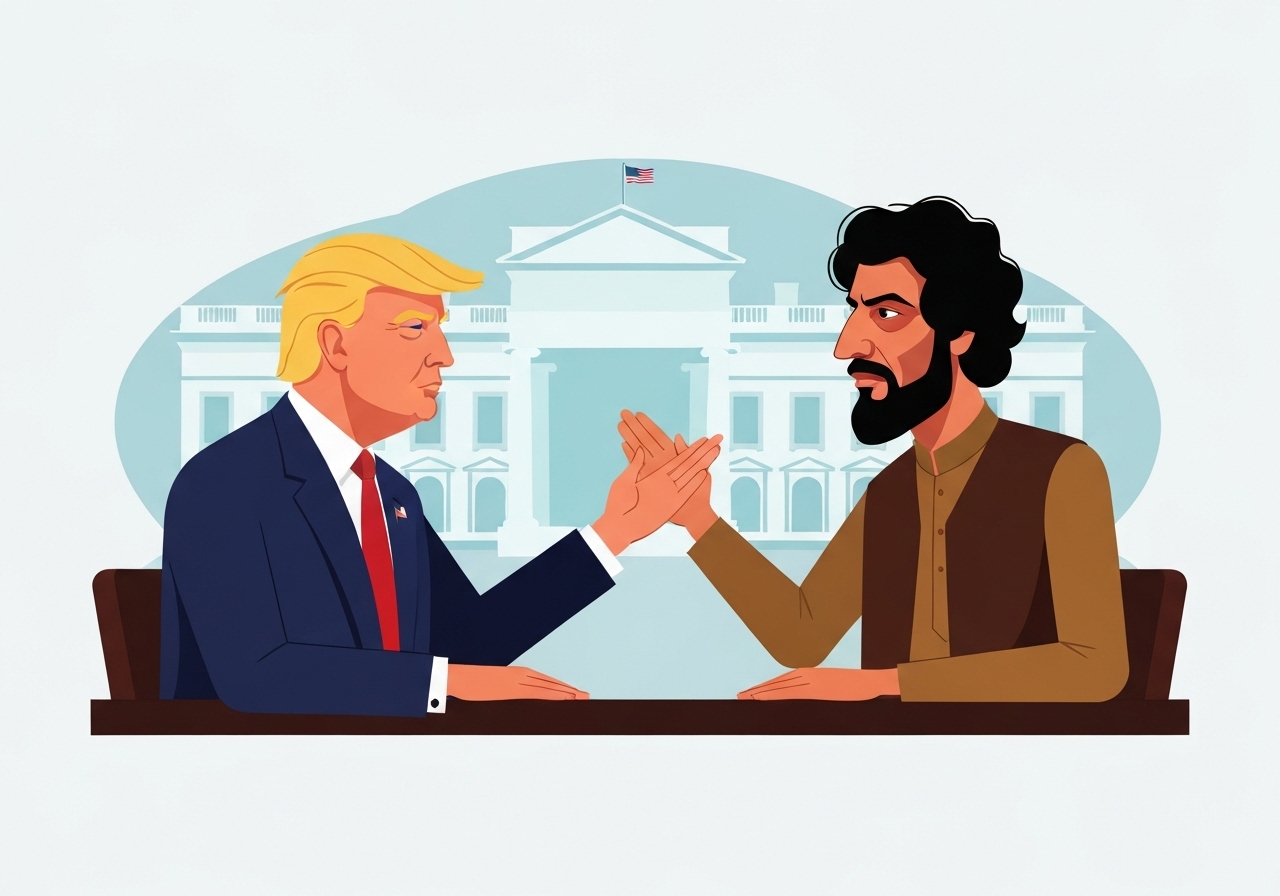
President Donald Trump and New York mayor-elect Zohran Mamdani met in the Oval Office on the afternoon of their scheduled sit-down, holding a short joint exchange with reporters after what Trump described as a ‘great meeting’. The pair said they discussed public safety, housing affordability and economic pressures facing New Yorkers; Trump and Mamdani framed parts of the conversation around shared goals despite their sharp public disagreements during the campaign. The session included questions about the Middle East, with Mr Trump warning that Hezbollah ‘has been a problem in Lebanon’ and both men signaling a desire for peace in the region. Mamdani told reporters he used the meeting to press on the cost-of-living crisis and to reiterate his willingness to work with federal officials on city priorities.
Key Takeaways
- Trump and Mamdani met in the Oval Office at the White House on the day they held the public briefing; they were scheduled to sit at 15:00 ET (20:00 GMT).
- Both officials said housing affordability and economic security were central topics; Mamdani said voters cited the ‘cost of living crisis’ as a top concern.
- On foreign policy, Trump called Hezbollah ‘a problem in Lebanon’ and said both men want to see Middle East peace.
- Mamdani declined to make the encounter about personal attacks, saying the discussion emphasized a shared duty to New Yorkers despite prior campaign barbs.
- Reporters pressed both men about their past exchanges: Trump has previously called Mamdani a ‘100% communist lunatic’ while Mamdani once described Trump as a ‘despot’.
- Trump told reporters ‘Anything I do is going to be good for New York’ and said he expects Mamdani to ‘surprise some conservative people’.
- Officials and journalists gathered in large numbers around the West Wing ahead of the meeting; the White House confirmed Mamdani’s arrival publicly at 20:11 GMT in live coverage.
Background
The meeting followed months of sharp public exchanges between the two men during a contentious mayoral campaign in New York City. Mamdani, a self-described democratic socialist and the city’s youngest mayor-elect since 1892, ran on a platform focused on affordability, public services and expanded social programs; Republicans and some critics framed his policies as extreme during the campaign.
Trump, who has repeatedly criticized Mamdani in campaign settings and on social media, had earlier suggested he might withhold federal funding if Mamdani won. In recent statements ahead of the meeting, however, the president adopted a less confrontational tone, saying on Fox Radio that he expected to ‘get along fine’ and that both men seek a stronger New York.
The encounter took place amid heightened media attention at the White House, with large press contingents assembled outside the West Wing and reporters hoping for visible engagement between the president and the incoming mayor. The meeting was billed as a chance to focus on practical issues—public safety, affordability and economic security—rather than rehash campaign rhetoric.
Main Event
Reporters were admitted to the Oval Office for a brief on-camera session after the private discussion. Trump opened by saying ‘we’ve just had a great meeting’ and congratulated Mamdani on his electoral victory. He emphasized common ground on making New York stronger and told assembled journalists that their conversation covered housing, food access and affordability.
Mamdani said he appreciated the opportunity to meet and framed the visit as an exercise in representing New Yorkers’ priorities. He noted that many voters who backed Trump in 2024 had told him they wanted ‘an end to forever wars’ and relief from rising living costs; Mamdani said he raised both topics in the meeting and looked forward to working with federal authorities where possible.
The pair were also pressed on their past rhetoric. Mamdani was asked whether he still stood by previous comments calling Trump a ‘despot’ and accusing him of promoting a ‘fascist agenda’; Mamdani responded that the conversation with the president focused on shared civic responsibilities rather than their disagreements. Trump downplayed the label, saying he had been called far worse and did not find the term particularly insulting.
Journalists probed hypothetical scenarios about law enforcement and contentious political figures, including whether Mamdani might seek to detain foreign leaders visiting New York. Trump described Mamdani’s views as ‘a little out there’ but said he has seen signs of changing positions and expressed confidence the mayor-elect could deliver for the city.
Analysis & Implications
The meeting signals a pragmatic turn in early relations between a president and a mayor-elect who publicly clashed during a hotly contested campaign. For Mamdani, the visit offered a stage to demonstrate that he can engage constructively with federal power while holding to his policy priorities; for Trump, appearing cooperative reduces immediate tensions over federal-city relations and funding threats.
Policy-wise, the emphasis on affordability and public safety aligns with bipartisan political pressure to address near-term urban challenges. If Mamdani and the White House can find limited areas of cooperation—housing funding streams, cost-of-living relief mechanisms, or targeted public-safety programs—those successes could defuse part of the partisan friction on city management.
On foreign policy, the brief exchange on Lebanon and Hezbollah reflected the constraints of a municipal leader addressing national security topics. Mamdani’s reference to voters’ desire to end ‘forever wars’ suggests local electoral dynamics are shaping his posture on international engagement, but the mayor-elect lacks the authority to shape U.S. foreign policy directly.
Longer-term implications depend on follow-through. If either side returns to adversarial rhetoric, the meeting will be remembered as a short-lived truce; sustained collaboration—such as federal support for city housing initiatives—would materially affect New Yorkers and could recalibrate national narratives about cooperation across ideological divides.
| When | Event | Key Line |
|---|---|---|
| 15:00 ET (20:00 GMT) | Private meeting in Oval Office | Discussion on housing, affordability, public safety |
| Shortly after | On-camera Q&A | Trump: ‘we’ve just had a great meeting’ |
| Post-meeting | Press exchanges | Mamdani: voters want ‘an end to forever wars’ |
The table above condenses the sequence and substance of the meeting and press remarks. While the session was short and largely ceremonial, its public framing matters for political signaling and expectations about cooperation on municipal priorities.
Reactions & Quotes
Both officials offered brief on-the-record lines that were amplified across media outlets and social platforms. Each quote below appears in context of broader remarks as summarized here.
‘We’ve just had a great meeting,’ the president said as he stood with the mayor-elect in the Oval Office.
President Donald Trump
Trump used the remark to convey a conciliatory tone and to highlight shared interests in improving New York’s condition.
‘I appreciated the chance to discuss both’ the end of long conflicts and cost-of-living issues, Mamdani said after the meeting.
Zohran Mamdani
Mamdani framed the visit as an opportunity to press for policies that directly affect households in New York and to signal he will hold federal officials accountable where city interests are at stake.
‘I’ve been called much worse than a despot. So it’s not that insulting,’ Trump said when asked about Mamdani’s past criticism.
President Donald Trump
That remark illustrated the lighter, sometimes dismissive tone Trump adopted when addressing campaign-era insults in the public briefing.
Unconfirmed
- Whether the meeting will lead to immediate federal funding commitments for specific New York housing projects remains unconfirmed; no formal announcement was made at the briefing.
- Reports that detailed policy memoranda were agreed during the private session are unverified; officials released only broad summary comments publicly.
Bottom Line
The Oval Office meeting between President Trump and Mayor-elect Zohran Mamdani was short on detailed accords but significant for tone and signal. Both men presented a public image of willingness to engage, while reaffirming core differences in policy and temperament that defined their campaign exchanges.
For citizens and observers, the crucial test will be concrete follow-through: whether the White House backs measurable support for housing and affordability initiatives or whether political tensions re-emerge. In the near term, the encounter reduced immediate rhetoric and created a limited opening for pragmatic cooperation on issues that matter to New Yorkers.
Sources
- BBC Live coverage (media/live reporting)