
Lead
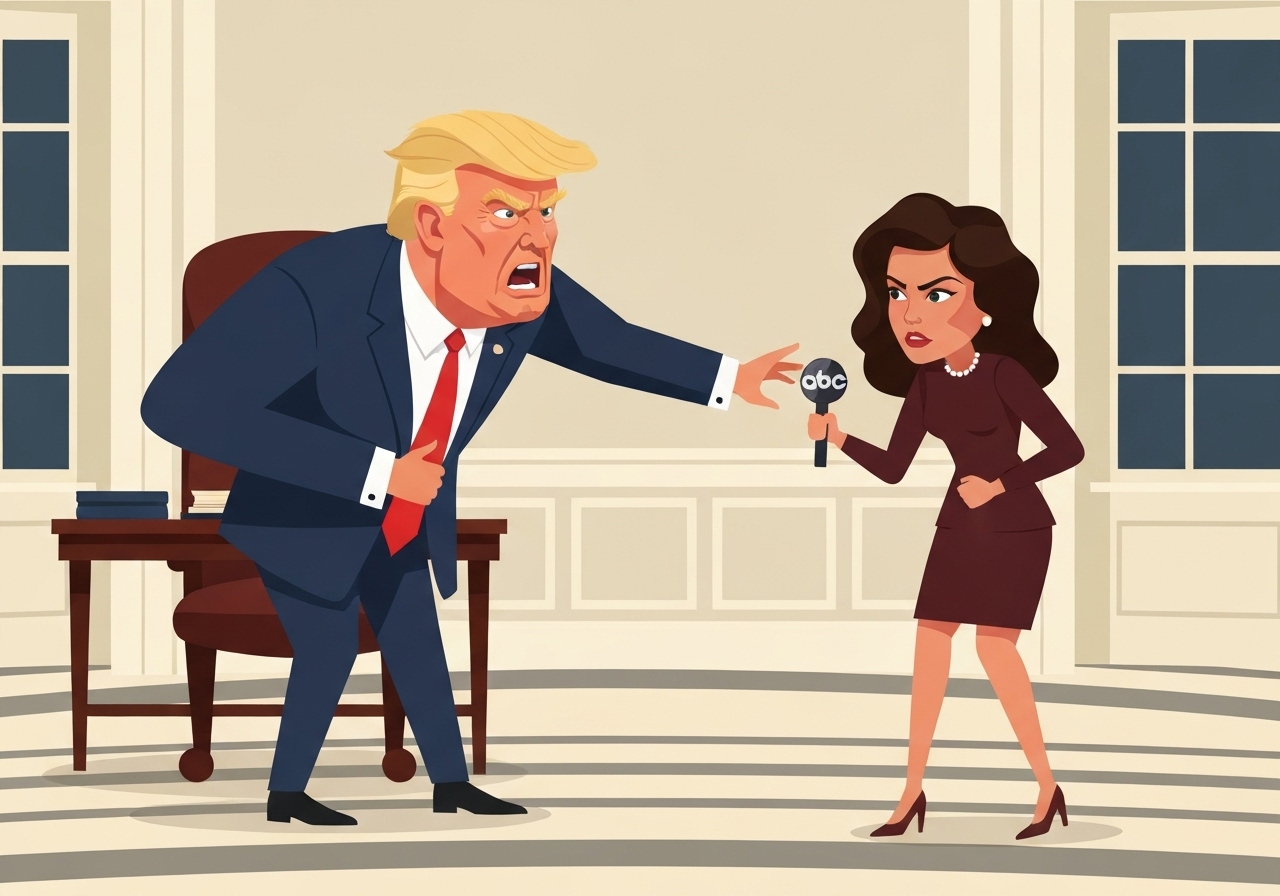
On Nov. 18, 2025, President Donald Trump confronted ABC News chief White House correspondent Mary Bruce in the Oval Office after she asked Saudi Crown Prince Mohammed bin Salman about the 2018 killing of journalist Jamal Khashoggi in Istanbul. U.S. intelligence has assessed the killing was carried out on the crown prince’s orders; the prince denies involvement. Mr. Trump called Bruce’s question “horrible, insubordinate, and just a terrible question,” and defended the meeting with the Saudi guest. The exchange followed a separate incident on Nov. 15, when Mr. Trump told a Bloomberg reporter, “Quiet, piggy,” aboard Air Force One.
Key Takeaways
- Nov. 18, 2025: In the Oval Office, President Trump rebuked Mary Bruce of ABC News for asking about Jamal Khashoggi, calling the question unacceptable in front of Saudi Crown Prince Mohammed bin Salman.
- U.S. intelligence assessment: U.S. agencies have concluded the Khashoggi killing in October 2018 was ordered by the crown prince; the prince has repeatedly denied responsibility.
- Language used: Mr. Trump described Bruce’s query as “horrible, insubordinate, and just a terrible question,” and on Nov. 15 he called Bloomberg reporter Catherine Lucey “Quiet, piggy.”.
- Setting and optics: The rebuke occurred during a high-profile meeting in the Oval Office, a setting that amplified attention to presidential interactions with the press and foreign leaders.
- Press freedom concern: The exchanges intensified debate about White House treatment of journalists and the broader tension between executive communications and media access.
- Diplomatic stakes: The incident highlights the balancing act in U.S.-Saudi relations, where strategic interests intersect with accountability questions from 2018.
Background
Jamal Khashoggi, a Washington Post columnist and U.S. resident, was killed inside the Saudi consulate in Istanbul in October 2018. U.S. intelligence later produced an assessment that concluded the operation was ordered by Saudi Crown Prince Mohammed bin Salman; the crown prince has denied involvement. The killing prompted international condemnation, sanctions on some individuals, and ongoing questions about accountability and U.S. policy toward Riyadh.
U.S. presidents have long faced pressure to weigh human-rights concerns against strategic priorities such as energy supplies and regional security. For administrations since 2018, the Khashoggi case has been a recurring diplomatic and political touchstone, shaping congressional oversight, sanctions debates, and public commentary. Journalists who raise the subject at presidential appearances often encounter pushback where leaders seek to control the message.
Main Event
During a White House meeting on Nov. 18, 2025, Mary Bruce asked the Saudi crown prince about the Khashoggi killing and the intelligence assessment linking the operation to his inner circle. According to witnesses, President Trump interrupted and criticized the question, saying there was no need to “embarrass our guest.” He later called the question “a horrible, insubordinate, and just a terrible question.”
The exchange drew immediate attention because of the setting: an Oval Office meeting with a foreign head of state. The president framed his remarks as defending hospitality toward a visiting leader and emphasized strategic ties. The crown prince has continued to deny personal responsibility for Khashoggi’s death.
Earlier that week, on Nov. 15, journalists aboard Air Force One pressed the president about other sensitive matters. When Bloomberg reporter Catherine Lucey attempted a question about the release of files related to Jeffrey Epstein, Mr. Trump replied, “Quiet! Quiet, piggy.” Those words revived past incidents in which Mr. Trump used insulting language toward women in public forums.
Analysis & Implications
The president’s public reproach of a journalist in front of a visiting leader underscores tensions between diplomatic protocol and press accountability. For allies and adversaries watching closely, such moments can be interpreted as signaling where U.S. priorities lie — whether strategic partnerships outweigh public calls for scrutiny into human-rights abuses. That perception matters both in Washington and in capitals across the Middle East and Europe.
Domestically, the incidents fuel debates about freedom of the press and the norms governing presidential interactions with reporters. Critics argue that rebukes or insults directed at journalists can chill reporting and erode public trust; supporters counter that presidents have the prerogative to defend diplomatic engagements and manage the tone of official events. The repeated nature of the remarks raises questions about long-term effects on White House-media relations.
Politically, the president’s approach may have mixed costs and benefits. Defending a foreign leader accused by U.S. intelligence can shore up transactional relationships important to national-security objectives and economic interests. At the same time, it risks alienating voters and lawmakers who prioritize accountability for human-rights abuses, potentially prompting congressional inquiries or legislative responses.
Comparison & Data
| Date | Setting | Reporter | Remark |
|---|---|---|---|
| Nov. 18, 2025 | Oval Office meeting | Mary Bruce, ABC News | Called her question “horrible, insubordinate, and just a terrible question.” |
| Nov. 15, 2025 | Air Force One | Catherine Lucey, Bloomberg | Responded “Quiet, piggy.” |
The table summarizes two recent exchanges where President Trump publicly chastised reporters. Both took place in highly visible settings and involved questions about sensitive topics: U.S.-Saudi ties and historic human-rights allegations in one case, and documents related to high-profile investigations in another. Observers track frequency and context of such interactions to assess trends in presidential rhetoric toward the press.
Reactions & Quotes
Newsrooms and press-rights groups issued quick responses, framing the Oval Office rebuke as part of a pattern of hostility toward journalists. Supporters of the president defended his handling of the encounter as appropriate to protect diplomatic decorum.
You don’t have to embarrass our guest by asking a question like that.
President Donald Trump, Oval Office remarks
That interruption was followed by the president’s characterization of the question as “horrible” and “insubordinate,” language that underscored his displeasure with the reporter’s line of inquiry. The comment was delivered in front of multiple cameras, amplifying its news value.
Quiet, piggy.
President Donald Trump, remarks to a Bloomberg reporter aboard Air Force One
Advocates for press freedom noted that use of personal insults can intimidate reporters and shift focus away from substantive answers. Others argued that reporters sometimes ask provocative questions in settings intended for diplomatic exchange, prompting pushback from hosts.
Unconfirmed
- Any private, off-the-record comments by the crown prince regarding the Oval Office exchange have not been independently confirmed.
- Whether the president’s rebuke changed the course of diplomatic talks in closed-door sessions has not been verified.
Bottom Line
The Oval Office rebuke of an ABC reporter over questions about the 2018 killing of Jamal Khashoggi highlights the competing pressures on U.S. leaders: maintain strategic ties with key partners while answering public demands for accountability. The president’s language and manner drew swift attention because they unfolded in highly visible settings and touched on a case tied to U.S. intelligence findings.
Going forward, watchers should monitor congressional responses, any formal statements from the State Department or intelligence community, and whether this episode alters media access or the tone of press interactions at future presidential events. The incident is likely to remain a reference point in debates over presidential conduct and press freedom.