
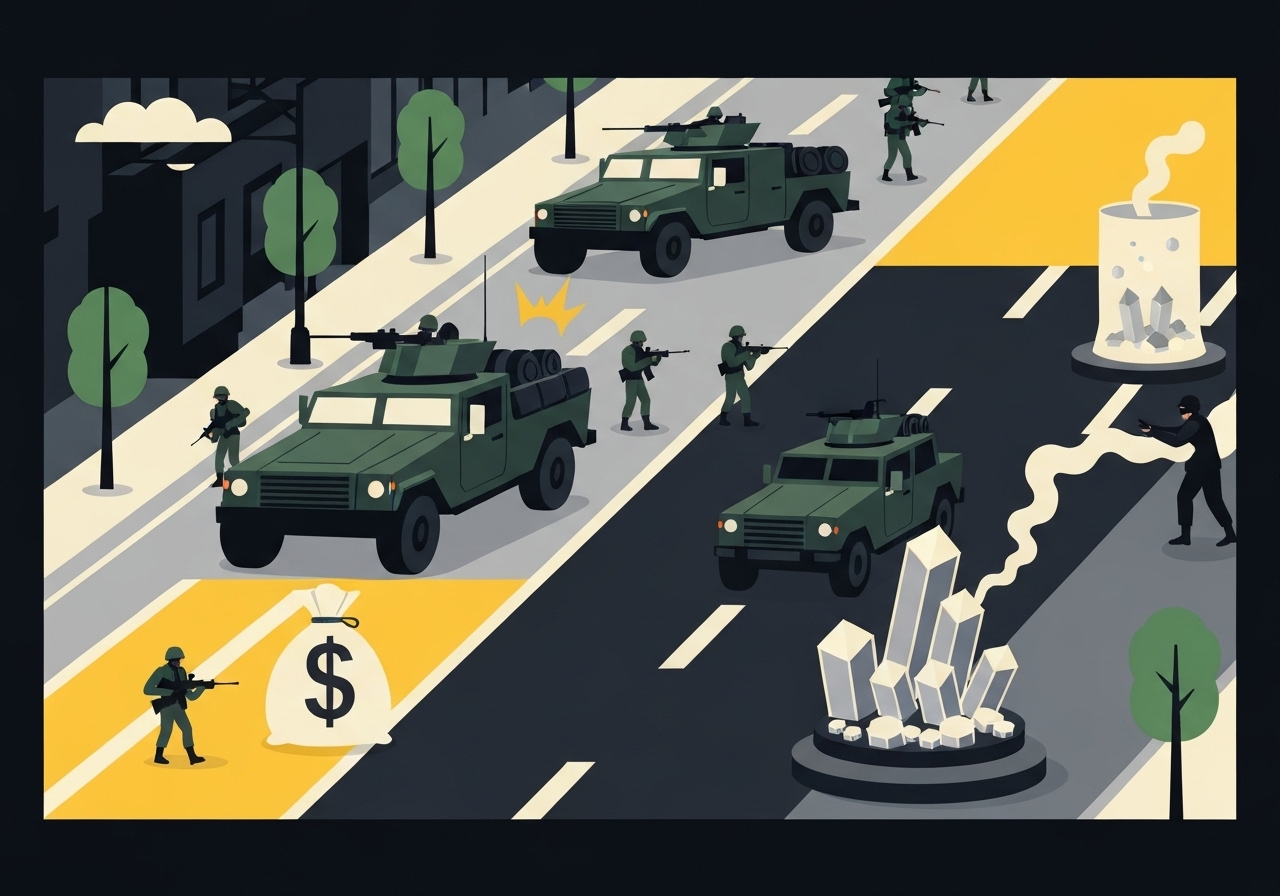
On Sept. 6, 2025, the White House deployed ten F-35 fighters to Puerto Rico and authorized a Caribbean “kinetic strike” that killed 11 people alleged to be members of the Venezuelan gang Tren de Aragua, marking a major shift toward using military force against drug networks.
Key Takeaways
- Ten F-35 aircraft were sent to Puerto Rico as part of a new operation targeting maritime drug trafficking.
- The administration carried out a Caribbean strike that reportedly killed 11 alleged Tren de Aragua members.
- President Trump has designated multiple cartels and gangs as foreign terrorist organizations, expanding authorities for military action.
- Officials linked departures from Venezuela to responsibility attributed to President Nicolás Maduro.
- Experts warn that deploying military assets for law enforcement risks escalation and repeats past policy failures.
- Mexico’s president rejected U.S. use of force on Mexican soil; Washington and Mexico agreed to increase security cooperation by other means.
- A federal judge recently limited aspects of domestic deployments, affecting the broader debate over a national policing role for the president.
Verified Facts
According to U.S. officials, ten F-35 fighter jets were dispatched to Puerto Rico in early September 2025 to support operations aimed at disrupting small maritime trafficking routes. The administration described the action as part of a broader campaign to treat major criminal groups in the region as national security threats.
On a Caribbean mission described by officials as a “kinetic strike,” a small vessel was hit; U.S. authorities say 11 people aboard—identified as members of Tren de Aragua—were killed. The White House and Pentagon have provided limited operational details about the strike.
President Trump has designated several Latin American criminal organizations and gangs as foreign terrorist organizations. Officials and allies argue that such designations broaden legal authorities and justify more aggressive measures, including lethal strikes in international waters.
Secretary of State Marco Rubio publicly defended the operation on a regional tour and cited a U.S. grand jury indictment tying Venezuelan leader Nicolás Maduro to narcotics trafficking. Venezuelan authorities have condemned the strike and the Maduro government reported deploying two aircraft near a U.S. vessel in international waters, prompting a tense exchange with Pentagon officials.
Context & Impact
U.S. use of military capabilities in drug enforcement is not new, but the current approach signals a sharper tilt toward direct force. Experts note that most illegal shipments reach the United States through larger commercial routes, containers and the Pacific corridor rather than small Caribbean speedboats.
Scholars and regional analysts warn that militarized responses can be counterproductive. Historical efforts to meet organized trafficking with military force often led to greater violence, the militarization of criminal groups, and mixed results on drug flows.
Domestically, the same administration previously deployed troops for operations in U.S. cities, prompting a federal judge to question the creation of a national policing function centered on the presidency. That ruling also affected immigration protections for hundreds of thousands of Venezuelans, underscoring the policy’s legal and humanitarian ripple effects.
- Regional diplomacy: Mexico has pushed back on U.S. strikes inside its territory and declined to allow U.S. forces on Mexican soil.
- Risk of escalation: Military action near Venezuela raises the possibility of broader confrontation and political fallout in the hemisphere.
“Let there be no doubt … he’s an indicted drug trafficker in the United States,”
Marco Rubio, U.S. Secretary of State
Unconfirmed
- Full operational details of the Caribbean strike, including precise target identification and chain-of-command authorizations, have not been released by the administration.
- Independent confirmation that the small vessel carried the volume or type of narcotics claimed by officials is pending.
- The degree to which Venezuelan state actors directly coordinated with or enabled the vessel’s departure remains disputed.
Bottom Line
The deployment of F-35s and the use of lethal strikes against suspected traffickers mark a clear escalation in U.S. tactics, blending military power with counter-narcotics objectives. Policymakers will face pressure to show results while managing legal, diplomatic and humanitarian consequences across the region.