
Lead
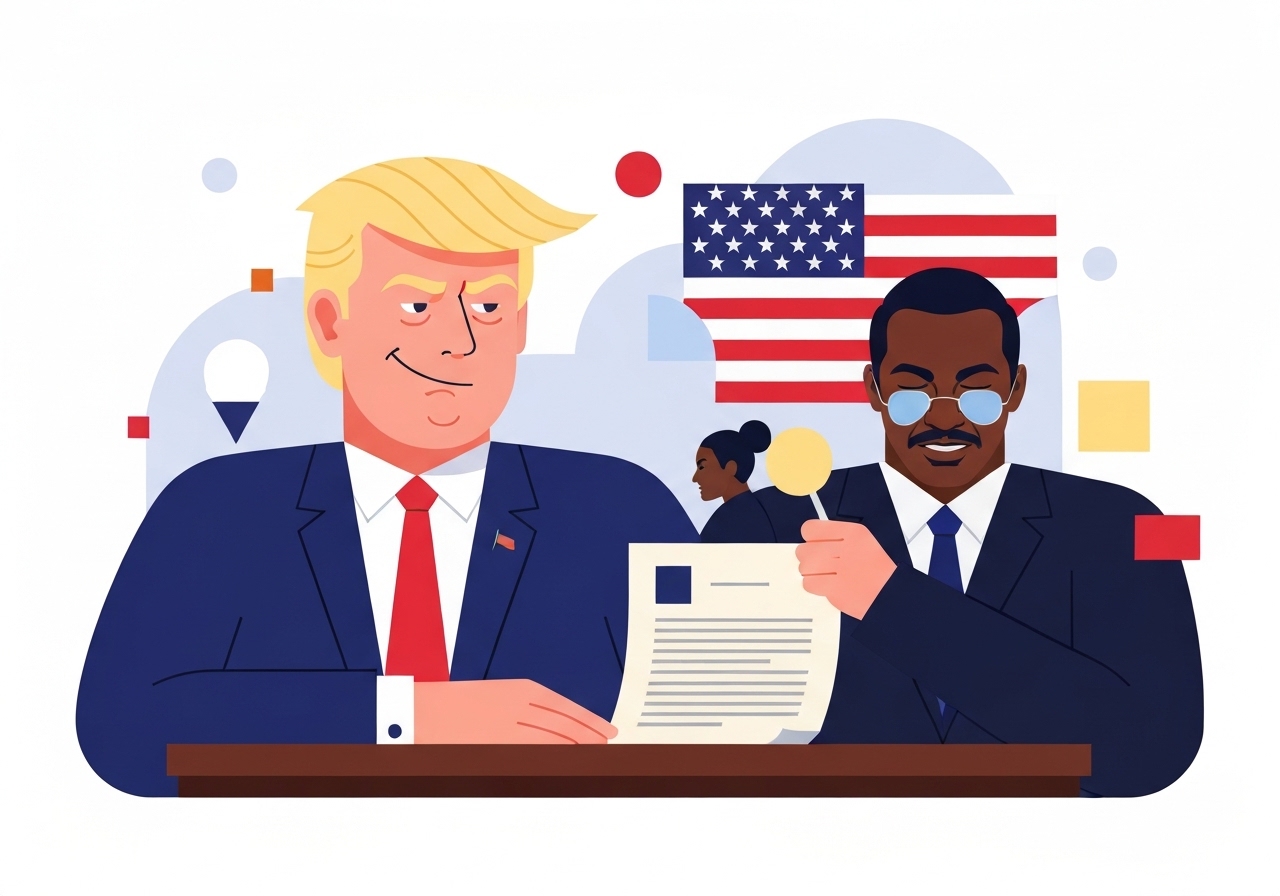
President Donald J. Trump issued a proclamation recognizing Martin Luther King Jr. Day on the evening of Jan. 19, 2026, after civil rights groups publicly criticized the initial absence of a presidential statement. The proclamation came as Mr. Trump attended the College Football Championship in Miami and while his White House social accounts focused on immigration enforcement and the game. Civil rights organizations, including the N.A.A.C.P., and members of Dr. King’s family pressed for official recognition earlier in the day. The late proclamation and the president’s absence from commemorative events sparked debate over presidential practice and symbolic observance of the holiday.
Key Takeaways
- Timing: The proclamation was issued on the evening of Jan. 19, 2026, the federal holiday’s date, after hours of public criticism.
- Location: Mr. Trump spent the holiday at his Mar-a-Lago estate in Florida and attended the College Football Championship in Miami that night.
- Civil rights response: Groups including the N.A.A.C.P. and Dr. King’s daughter Bernice King publicly criticized the delay and urged action on racial justice issues.
- Historical notes: Presidents commonly issue M.L.K. Day statements in advance; Mr. Trump’s 2021 proclamation was dated Jan. 15, 2021, and President Biden issued his 2025 proclamation on Jan. 17, 2025.
- Contention over records: Mr. Trump cited declassification of documents related to Dr. King’s assassination as an act of honor; several historians said those records contained little new material and many family members opposed their release.
- Social media: The White House accounts did not initially share the proclamation and instead posted about immigration enforcement and the college football event.
- Legal context: M.L.K. Day became a federal holiday in 1983 under President Ronald Reagan; in 1994 Congress designated it a national day of service (signed by President Bill Clinton).
Background
Martin Luther King Jr. Day, observed on the third Monday of January, commemorates the civil rights leader’s life and the movement he helped lead. Congress established the federal holiday in 1983 with legislation signed by President Ronald Reagan, roughly 15 years after Dr. King’s assassination in 1968. In 1994, legislation signed by President Bill Clinton encouraged its observance as a day of service to promote volunteering and civic engagement across the country.
Presidential proclamations and attendance at parades, memorials and community events have been customary ways for administrations to mark the holiday and reaffirm commitments to civil rights. In recent years presidents have often issued statements in the days preceding the holiday; for example, Mr. Trump issued a proclamation on Jan. 15, 2021, and President Joe Biden issued one on Jan. 17, 2025. Civil rights groups and family members of Dr. King frequently use the day to press for policy changes and to critique public officials’ records on racial justice.
Main Event
On Jan. 19, 2026, after criticism mounted through the day, President Trump released a formal proclamation honoring Dr. King. The text praised Dr. King’s resolve, referenced the president’s prior declassification of documents tied to the assassination, and framed the holiday within themes of law, order and national renewal. The proclamation was made public in the evening while the president was in Miami for the College Football Championship.
Throughout the day, civil rights organizations said the absence of an early presidential proclamation was a break with precedent and a missed opportunity for recognition. The N.A.A.C.P. and other advocacy groups publicly called for acknowledgment of Dr. King’s legacy, focusing attention on both symbolic observance and substantive policy commitments. Bernice King, Dr. King’s daughter, used social media to urge Americans to remember her father by pushing for protections and opposing state-sanctioned violence.
The White House’s official social channels did not immediately promote the proclamation; instead, those accounts posted material about immigration enforcement actions and the football championship, which Mr. Trump attended that night. Several historians and commentators noted the contrast between the timing of the proclamation and the administration’s public messaging throughout the day.
Analysis & Implications
Symbolic acts by presidents—statements, attendance at commemorations and timely proclamations—serve both ceremonial and political functions. A delayed proclamation, particularly on a day dedicated to a civil rights icon, can be read as diminished priority and can fuel criticism from advocacy groups and the public. The timing here amplified questions about the administration’s approach to racial justice and public rituals tied to national memory.
Mr. Trump’s reference to the declassification of documents related to Dr. King’s assassination introduces another layer of debate. While declassification can be presented as transparency, historians cited in reporting said the released materials offered little substantive new information, and many family members opposed their publication—diluting the administration’s claim that the action chiefly honored Dr. King’s legacy.
Politically, the episode could influence perceptions in both short and long terms. For constituencies sensitive to civil rights symbolism—Black voters, younger activists and civic organizations—the late proclamation may erode goodwill or become a talking point in broader discussions about the administration’s priorities. Conversely, for supporters focused on immigration enforcement or cultural signaling, the administration’s messaging that day may have reinforced existing priorities.
Comparison & Data
| Year | Proclamation Date | Notable Context |
|---|---|---|
| 2021 | Jan. 15, 2021 | Proclamation issued on Dr. King’s birthday (end of Trump’s first term) |
| 2025 | Jan. 17, 2025 | President Biden issued days before the holiday |
| 2026 | Jan. 19, 2026 (evening) | Issued on holiday after public criticism; president in Miami |
The table shows a pattern of presidents issuing proclamations before the holiday in recent years; the 2026 proclamation arrived later in the day and followed visible criticism. That timing matters because advance statements often set the tone for commemorations and related events across the country.
Reactions & Quotes
Civil rights groups and public figures immediately responded to the late proclamation and the president’s absence from events. Their remarks underline both procedural expectations and substantive policy demands tied to Dr. King’s legacy.
“Dr. King’s extraordinary resolve stands as an enduring testament to the unstoppable fire of freedom…”
Presidential proclamation, Jan. 19, 2026
The proclamation invoked Dr. King’s resolve and framed the holiday as an occasion to reaffirm commitments to law, order and national greatness. That language was part of the administration’s effort to cast the observance within broader themes of governance and national identity.
“[We should] amplify and advocate for the end of state-sanctioned and facilitated violence against Black and Brown immigrants and against people, period.”
Bernice King (social media)
Bernice King’s statement called for concrete policy focus and broader remembrance that links Dr. King’s legacy to contemporary issues of racialized violence and immigration enforcement. Her remarks were cited by advocates who argued the day should spur action as well as reflection.
“The delay in a proclamation and absence from events disappointed many who expect the presidency to lead ceremonial recognition of Dr. King’s life.”
Civil rights organization spokesperson (public comment)
Advocacy groups framed the episode as falling short of ceremonial norms and used it to press for policy changes aligned with Dr. King’s work on economic and racial justice.
Unconfirmed
- Whether the timing reflected a deliberate scheduling choice by the president’s team or a last-minute decision remains unclear and has not been independently verified.
- Internal White House discussions about linking the declassification action to the M.L.K. Day proclamation have not been publicly disclosed or corroborated.
Bottom Line
The late issuance of the M.L.K. Day proclamation on Jan. 19, 2026, and the president’s absence from public commemorations shifted attention from customary ceremonial observance to questions about priorities and messaging. Civil rights groups and Dr. King’s family used the moment to press for continued attention to racial justice and policy change, underscoring that symbolic recognition alone often falls short of activists’ expectations.
Going forward, the timing and visibility of presidential observances on symbolic national days can influence public perception and political mobilization. For policymakers and advocates, the episode reinforces that both words and actions matter: proclamations set tone, but attendance, policy commitments and substantive measures determine lasting impact.
Sources
- The New York Times (news reporting)