
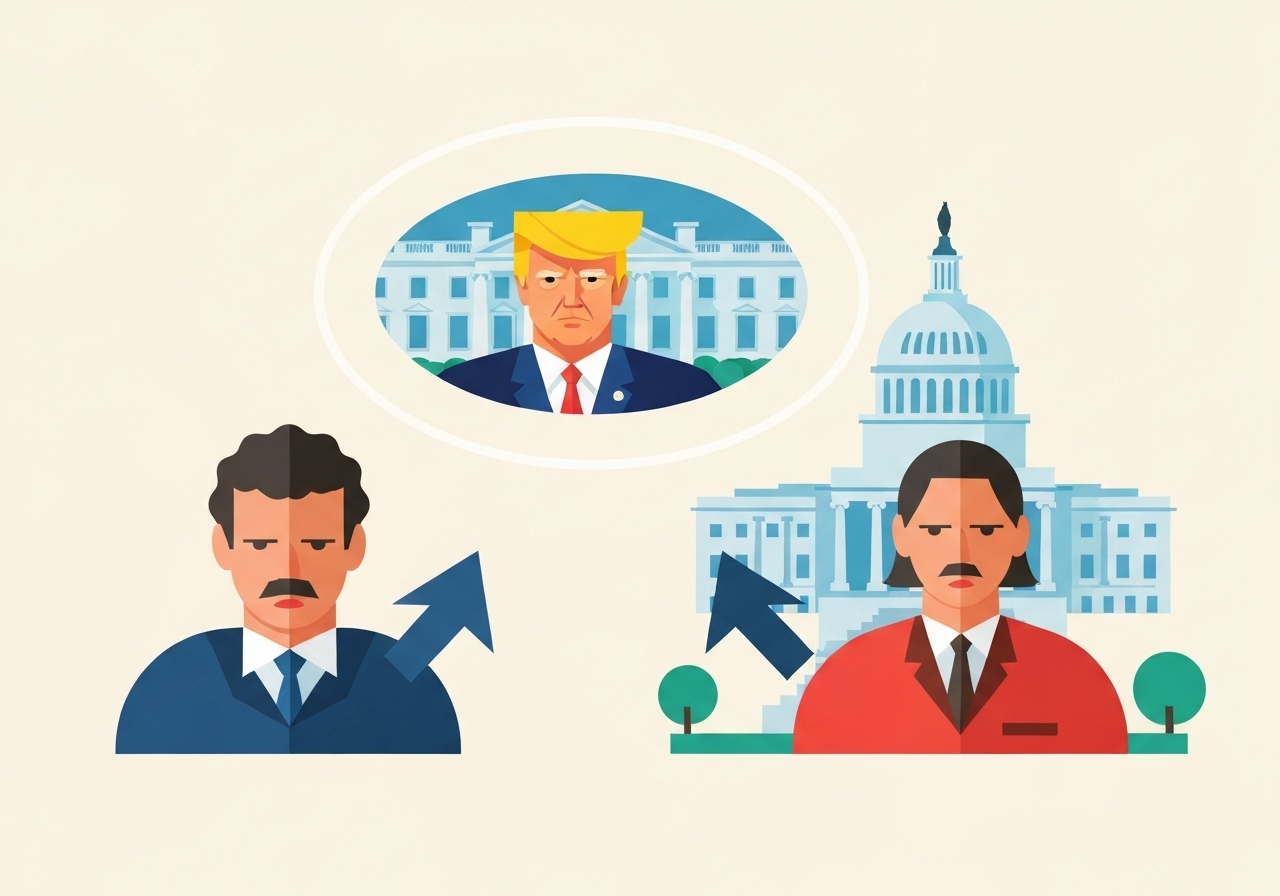
President Donald Trump on Wednesday granted clemency to Timothy J. Leiweke, a prominent sports-and-entertainment executive linked to the Climate Pledge Arena development, and to Texas Democratic Rep. Henry Cuellar and his wife, Imelda, who faced federal bribery and conspiracy charges. The pardons follow indictments and ongoing inquiries: Leiweke was indicted in July for allegedly scheming to rig a university arena bidding process in Austin, and Cuellar had been charged with accepting payments to advance interests tied to an Azerbaijan-controlled energy firm and a Mexican bank. Both recipients have pleaded not guilty; Trump framed the actions as corrective steps against what he described as a politicized justice system.
- Trump issued pardons on Wednesday for Timothy J. Leiweke and Rep. Henry Cuellar and Imelda Cuellar; the White House clemency statements did not include extended rationales.
- Leiweke had been indicted in July by federal prosecutors on allegations of conspiring to rig the bidding for an Austin university arena; he had pleaded not guilty prior to the pardon.
- Federal prosecutors had accused Cuellar and his wife of accepting thousands of dollars in exchange for pushing legislation and delivering a pro-Azerbaijan speech; the couple’s trial was scheduled to begin next April.
- Cuellar has served in Congress for more than 20 years, represents a Texas border district, and is a moderate Democrat known for breaking with his party on immigration and firearms.
- House Ethics Committee investigators opened a separate inquiry into Cuellar in May 2024 that was reauthorized in July 2024 and remains active despite the pardon.
- Trump’s pardon roster this year has included high-profile and politically connected figures, including clemency for over 1,500 people charged in the Jan. 6, 2021, attack on the U.S. Capitol and a February pardon for Rod Blagojevich.
- Cuellar’s daughters submitted a Nov. 12 letter asking for clemency; Trump posted that letter when announcing the pardon and claimed the case was politically motivated.
Background
The U.S. Constitution grants the president broad authority to grant pardons for federal offenses, a power historically exercised for reasons ranging from mercy to correcting perceived legal errors. In recent months, President Trump has used clemency with notable frequency for politically salient cases, claiming political motives behind many prosecutions he opposes. That pattern has drawn scrutiny from lawmakers, civil-rights groups and legal scholars who debate the norms and limits of executive clemency.
Tim Leiweke is a long-time sports and venue executive and co-founder of Oak View Group; prosecutors in July said he orchestrated a bid-rigging conspiracy tied to a university arena project in Austin, Texas. Leiweke’s work on large venue projects, including involvement with the Climate Pledge Arena in Seattle, made him a central figure in industry efforts to secure major construction and management contracts.
Henry Cuellar, a Texas Democrat who has served more than two decades in the House, was accused by federal authorities of accepting payments in return for advancing the interests of an Azerbaijan-controlled energy company and a Mexican bank. The indictment alleged he agreed to influence legislation favorable to those interests and deliver a pro-Azerbaijan speech on the House floor. Cuellar has consistently denied wrongdoing, and his legal team earlier sought dismissal of the case.
Main Event
On Wednesday, the president announced clemency for both Leiweke and the Cuellars. Trump posted on social media that Cuellar had “bravely spoke out against Open Borders” and framed the prosecution as politically motivated; he also included a Nov. 12 letter from Cuellar’s daughters asking for clemency. The White House clemency statements did not provide detailed legal findings or a record of the specific grounds for reversing the cases.
Leiweke’s indictment in July charged him with orchestrating a scheme to manipulate the competitive bidding process for a university arena project in Austin. Federal prosecutors said the alleged conduct sought to favor particular bidders; Leiweke had entered a not-guilty plea and the case was pending at the time of the pardon. The clemency announcement described the action as a “full and conditional pardon” but did not publish the legal justification in full.
Cuellar and his wife had been charged with accepting thousands of dollars and related benefits in exchange for official acts that prosecutors said would aid an Azerbaijan-linked energy firm and a Mexican bank. The couple’s trial had been scheduled for next April; with the presidential pardon, the federal criminal prosecution is effectively terminated, though other oversight remains. Cuellar told reporters he and his family are grateful and that he intends to continue his work in Congress.
Analysis & Implications
The pardons underscore how presidential clemency can abruptly terminate federal criminal exposure regardless of where a case stands in the judicial process. For defendants, clemency removes federal prosecutorial risk but does not erase the underlying facts alleged in indictments, and it does not automatically resolve parallel congressional or state-level probes. In Cuellar’s case, the House Ethics Committee investigation — opened in May 2024 and reauthorized in July 2024 — continues to pose potential congressional consequences separate from federal criminal liability.
Politically, pardoning a sitting Democratic congressman is notable for its cross-party optics. Trump characterized the Cuellar prosecution as retaliatory for the congressman’s criticism of President Biden’s immigration policies. That assertion remains contested; the Justice Department pursued the charges prior to the pardon and court processes were active. The move could complicate Cuellar’s standing within his Democratic caucus while potentially strengthening his position among certain border-district voters who prioritize immigration enforcement.
For Leiweke and the venue industry, the pardon withdraws a high-visibility legal cloud, potentially smoothing business dealings tied to major arena projects. However, the underlying procurement concerns described by prosecutors could still prompt industry scrutiny and institutional reforms in bidding oversight for public projects. Universities and public authorities that award arena contracts may face renewed pressure to tighten transparency and vendor-selection controls.
Comparison & Data
| Item | Detail |
|---|---|
| Leiweke indictment | July 2024 — alleged bid-rigging for Austin university arena |
| Cuellar indictment | Accused of accepting thousands of dollars; trial set for next April |
| House Ethics inquiry | Opened May 2024; reauthorized July 2024 — ongoing |
| Trump pardons (recent) | Included 1,500+ Jan. 6–related persons; Rod Blagojevich pardoned in February 2024 |
The table summarizes the timing and basic contours of the legal matters. While clemency halts federal criminal cases, it does not nullify congressional oversight processes or preclude potential civil or administrative actions tied to the same facts.
Reactions & Quotes
“Henry, I don’t know you, but you can sleep well tonight. Your nightmare is finally over!”
President Donald Trump (social media post)
The president used his social account to frame the Cuellar pardon as a corrective act; the post included a family letter and an assertion that prosecutors were politically motivated.
“I want to thank God for standing during this very difficult time with my family and I. Now we can get back to work.”
Rep. Henry Cuellar (statement to reporters)
Cuellar spoke briefly outside his congressional office to express gratitude and to say he will continue his reelection campaign; he denied plans to change party affiliation.
“She has always maintained her innocence.”
Imelda Cuellar’s legal team (statement)
The Cuellars’ lawyers welcomed the pardon and reiterated their clients’ denials of wrongdoing.
Unconfirmed
- Whether the Justice Department’s internal review or specific legal errors directly prompted the president’s decision has not been publicly documented.
- Claims that prosecutions were driven by political retaliation remain allegations; no public evidence has been presented that proves coordination to target either recipient for political reasons.
- The full text of the White House’s legal rationale for each clemency decision has not been released, leaving gaps about the administration’s legal basis.
Bottom Line
Wednesday’s pardons remove federal criminal jeopardy for Timothy Leiweke and for Rep. Henry and Imelda Cuellar, but they do not erase the underlying allegations or end noncriminal oversight. The House Ethics Committee continues to investigate Cuellar, and public-sector contract oversight questions that underpinned the Leiweke indictment may prompt institutional reviews.
Beyond the immediate legal effects, these clemency decisions feed into broader debates over the scope of presidential pardon power and the norms that should govern its use. Observers should watch for any additional documentation from the White House or Justice Department, developments in congressional oversight, and whether state or civil inquiries arise from the same fact patterns.
Sources
- KOMO News (local media report summarizing pardons and related details)
- U.S. Department of Justice (official — federal prosecutions and public statements)
- U.S. House of Representatives Committee on Ethics (official — committee inquiry and procedural notices)