
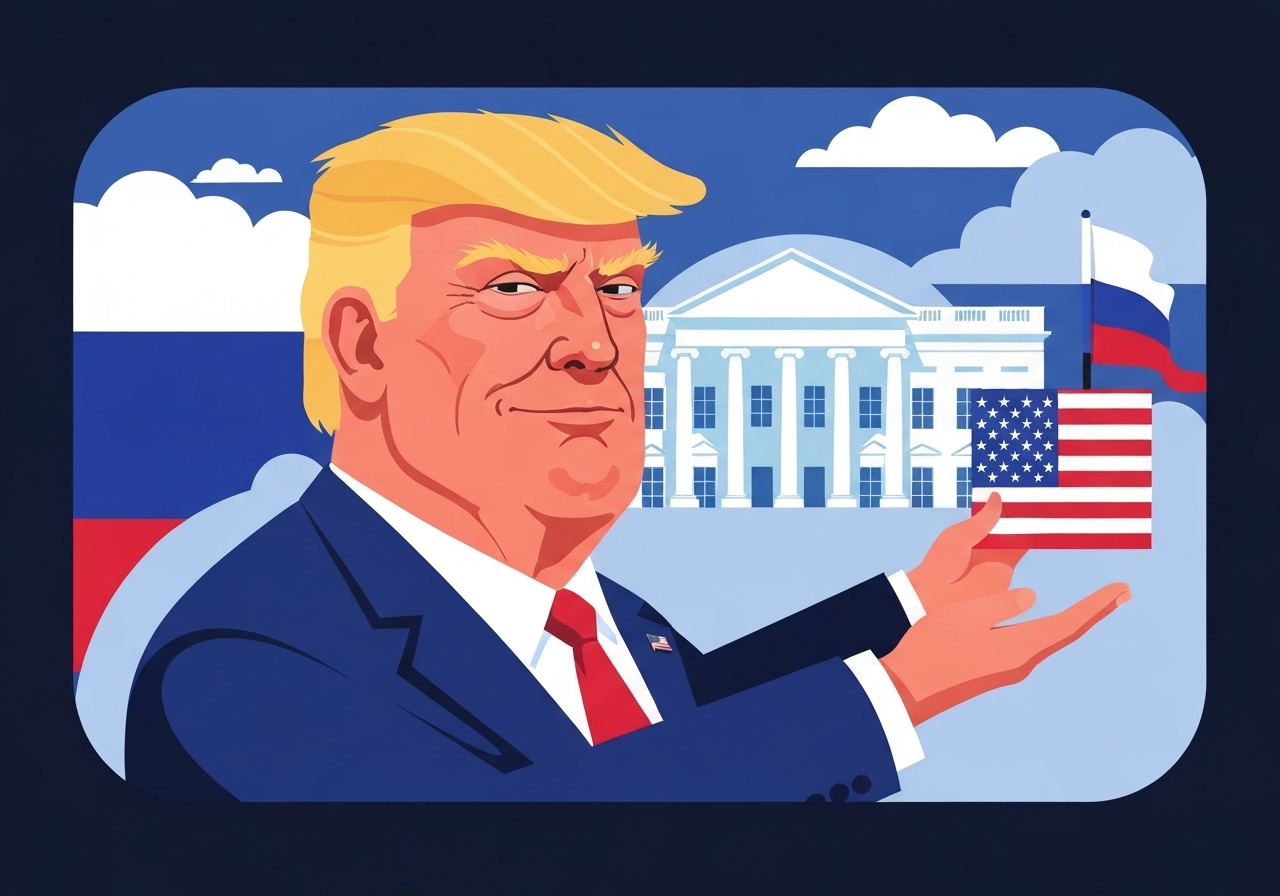
— President Donald Trump said at the White House on Sunday he is prepared to move to a ‘second phase’ of sanctions against Russia over the war in Ukraine, signaling a possible escalation of penalties that could target Moscow or countries buying its energy.
Key Takeaways
- On Sept. 7, 2025, President Trump said he was ready to begin a ‘phase two’ of sanctions on Russia.
- Trump has repeatedly threatened more measures but delayed them while pursuing peace talks.
- He recently cited punitive tariffs imposed last month on Indian exports to the U.S. as part of pressure on Russia’s economy.
- Treasury Secretary Scott Bessent suggested the U.S. and EU could impose secondary tariffs on buyers of Russian oil.
- India and China are major purchasers of Russian energy; Western buyers have reduced imports since the war began.
- The White House did not provide immediate details on what ‘phase two’ would include.
Verified Facts
President Trump told reporters at the White House that he was ready to move to a second phase of sanctions; when asked explicitly if he was prepared to take that step he replied, ‘Yeah, I am.’ He offered no further specifics during the exchange.
Administration officials have previously held back on new penalties while exploring diplomatic talks aimed at ending the conflict in Ukraine. Trump has publicly expressed frustration that fighting has continued despite his earlier prediction, upon taking office in January, that he could end the war quickly.
Last month the administration imposed punitive tariffs affecting India’s U.S.-bound exports, a measure Trump cited as part of the economic pressure on Russia. India and China remain significant buyers of Russian oil and energy, even as many Western customers have scaled back purchases.
Treasury Secretary Scott Bessent stated on Sept. 7 that the United States and the European Union could levy secondary tariffs on countries that import Russian oil. Bessent said such steps could push the Russian economy toward collapse and increase pressure on President Vladimir Putin to negotiate.
Context & Impact
Secondary tariffs would target third-party buyers rather than Russia directly, raising the political and economic stakes for countries that continue to buy Russian energy. That approach aims to constrict revenue streams without direct military intervention.
Any move to broaden sanctions risks straining relations with countries reliant on Russian energy, notably China and India, and could disrupt global fuel markets. Energy prices, trade flows, and diplomatic ties are potential casualty areas if measures are widened.
- Potential near-term effects: higher energy costs, rerouted trade, increased diplomatic friction.
- Longer-term outcomes: deeper economic isolation of Russia, possible shifts in alliances, and legal challenges over extraterritorial measures.
‘Yeah, I am.’
President Donald Trump
‘The U.S. and EU could put secondary tariffs on the countries that buy Russian oil,’
Treasury Secretary Scott Bessent
Unconfirmed
- No public timetable or formal definition of what ‘phase two’ would include has been released by the White House.
- It is not confirmed which countries or companies, beyond general references to major energy importers, would be targeted by any expanded sanctions.
Bottom Line
Mr. Trump’s statement represents the clearest indication yet of a willingness to escalate economic pressure on Russia, but key details remain unspecified. If carried out, secondary measures aimed at buyers of Russian oil would reshape parts of the global energy and diplomatic landscape and could accelerate efforts to curtail Moscow’s war revenues.