
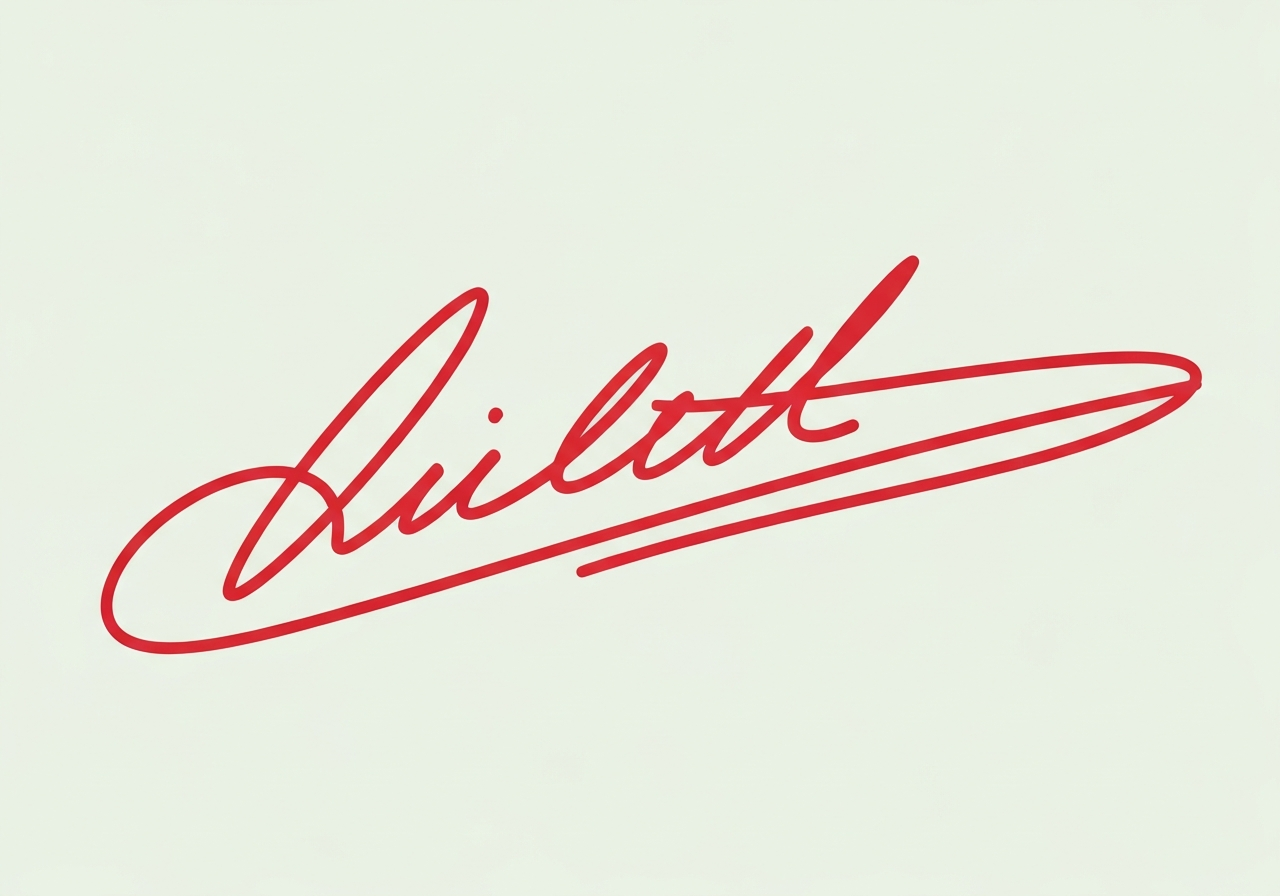
President Donald Trump will become the first sitting US president whose signature appears on circulating American banknotes, the Treasury announced on Thursday. The change is being made to mark the United States’ 250th Independence Day on July 4, 2026, and follows a Department of the Treasury decision to add the president’s autograph to bills that traditionally bear the signatures of the Treasury secretary and the treasurer. Treasury Secretary Scott Bessent said the alteration recognizes what he described as the administration’s economic accomplishments, while critics warned the step breaks longstanding norms. The announcement has already prompted legal and political debate about precedent, symbolism and the limits of executive influence over national emblems.
Key Takeaways
- The Treasury confirmed on Thursday that Trump’s signature will be added to circulating US banknotes to commemorate the 250th anniversary of Independence on July 4, 2026.
- This is the first time a living sitting president’s signature will appear on US currency; banknotes have historically shown the Treasury secretary and treasurer’s signatures only.
- Treasury Secretary Scott Bessent said the change honors the administration’s economic record, citing a 2.2% US GDP growth in 2025 versus a 2.5% average for 2022–2024.
- The policy relied on a legal interpretation of a prohibition on depicting living presidents, rather than on images, a loophole that prompted criticism from opponents.
- California Governor Gavin Newsom publicly mocked the decision, linking it to consumer price pressures such as groceries, gas and rent.
- The move follows a separate recent decision to mint a commemorative gold coin bearing the president’s likeness, approved by the US Commission of Fine Arts.
Background
US banknotes have long followed a conservative design practice: portraits of historical figures on the face and signatures of the Treasury secretary and the treasurer on the obverse. That convention is rooted in statutory and administrative norms meant to keep circulating money free of contemporary political personalization and to preserve an appearance of institutional continuity. A statute has for decades barred depictions of living presidents on circulating currency; designers and officials have interpreted that as a restriction on images rather than on textual elements such as signatures. In recent years, presidents and administrations have sought greater personalization of federal projects and symbols, a trend that intensified under President Trump’s prior business-oriented branding and has continued after his return to office.
Political appointees who oversee design and commemoration—such as the Commission of Fine Arts and Treasury officials—play a pivotal role in such changes. The Commission of Fine Arts, chaired by a Trump appointee, recently approved a commemorative gold coin carrying the president’s likeness, a separate but related move that drew criticism. Independent oversight bodies, congressional committees, and civic groups typically weigh in on currency redesigns, but the Treasury has substantial administrative authority over note production. The timing—tied to the 250th anniversary of independence on July 4, 2026—adds symbolic weight and a clear deadline for implementation and public reaction.
Main Event
On Thursday, the Department of the Treasury released a statement saying it will place President Trump’s signature on US banknotes as part of the government’s 250th-anniversary commemorations. Officials framed the change as administrative and commemorative rather than political, noting the signatures will accompany those of the Treasury secretary and treasurer. Treasury Secretary Scott Bessent praised the administration’s fiscal record and called the step recognition of “historic achievements,” language echoed in Treasury materials circulated to reporters. The announcement cited a legal reading that the existing prohibition applies to pictorial depictions of living presidents, not to signatures, enabling the Treasury to proceed without altering the statute.
The disclosure immediately triggered criticism from political opponents and civil society groups who argued the move blurs the line between public institutions and personal branding. California Governor Gavin Newsom lambasted the plan on social media, linking it to everyday economic frustrations for voters. Legal scholars and constitutional observers said the decision could encourage future alterations to national symbols, and some threatened litigation to challenge the policy’s legality. The debate intensified because the Commission of Fine Arts, which approved a related commemorative coin, is led by a Trump appointee, creating a perception among critics of consolidation of design authority.
Operationally, the Treasury did not immediately publish design proofs or a rollout schedule for which denominations would be produced first. The agency has, however, initiated production planning to meet the July 4, 2026 commemoration timeline. Currency manufacturing involves the Bureau of Engraving and Printing and other logistical steps; officials said they are coordinating to ensure notes bearing the signature will enter circulation in time for the anniversary. Observers noted that alterations to circulating currency, even limited ones, require coordination with banks, vending operators and the Federal Reserve to avoid disruptions.
Analysis & Implications
The decision to add a sitting president’s signature to circulating currency is symbolically significant: currency is both a medium of exchange and a national emblem seen daily by millions. Personalizing banknotes elevates the president’s visibility in a way that differs from policy announcements or executive orders, embedding a contemporary political figure into a durable national artifact. For supporters, the change is a rightful commemoration tied to a major national milestone; for opponents, it raises concerns about personalization of public institutions and the erosion of nonpartisan norms. The policy thus acts as a test case for how far administrations can push personalization without new legislation or explicit congressional approval.
Economically, Treasury officials framed the move as tied to stable fiscal conditions under the current administration, citing 2.2% GDP growth in 2025 against a 2.5% average from 2022–2024. Analysts note that those figures place growth roughly in line with the post-pandemic trajectory overseen by the prior administration; they caution that symbolic gestures are unlikely to affect macroeconomic fundamentals. Politically, the timing ahead of 2026 electoral cycles and the 2028 presidential nominating process could sharpen partisan responses, especially as state and local officials weigh in publicly. If opponents pursue litigation, courts will likely be asked to interpret statutory language and administrative discretion, creating a legal precedent regardless of the outcome.
Internationally, observers said the move may attract commentary about US norms and democratic symbolism, particularly from allies and critics who monitor shifts in institutional practices. Comparisons to historical examples where leaders imprinted authority on currency surface quickly in public debate, but scholars urge caution in equating administrative changes with autocratic consolidation without further erosions of checks and balances. Ultimately, whether the action alters institutional behavior will depend on whether it remains an isolated commemorative step or becomes a recurrent practice for living officeholders.
Comparison & Data
| Year | US GDP Growth (%) |
|---|---|
| 2022–2024 (avg) | 2.5 |
| 2025 | 2.2 |
The Treasury’s announcement linked the signature decision to the administration’s economic messaging while citing the 2.2% GDP growth in 2025 versus a 2.5% average for 2022–2024. Those figures suggest continuity rather than a sharp departure in macroeconomic performance across the two administrations. Separately, the change affects seven common denominations in circulation ($1, $2, $5, $10, $20, $50, $100), which have long carried only the secretary and treasurer signatures; Treasury has not publicly detailed whether all denominations will be issued immediately with the new signature. The logistical implications for currency production and distribution remain to be clarified as production schedules are finalized for the July 4, 2026 commemoration.
Reactions & Quotes
Officials from the Treasury framed the move as an administrative commemoration tied to economic stewardship, while opponents used the announcement to highlight concerns about personalization of government symbols. Below are representative statements and the contexts in which they were made.
“The change recognizes historic achievements and reflects unprecedented economic growth and fiscal strength and stability under this administration.”
Scott Bessent, US Treasury Secretary (official statement)
Secretary Bessent’s remarks, released with the Treasury announcement, framed the signature addition as recognition of the administration’s economic performance. The statement tied the currency alteration to the 250th-anniversary commemoration and to the Treasury’s broader messaging on fiscal stewardship. Bessent presented the step as administrative and ceremonial rather than a politicization of currency.
“Now Americans will know exactly who to blame as they’re paying more for groceries, gas, rent, and health care.”
Gavin Newsom, Governor of California (social media comment)
Governor Newsom’s response was posted on social media shortly after the Treasury’s disclosure and framed the announcement as tone-deaf amid consumer cost pressures. His comment signals the political opposition’s strategy to link symbolic actions to everyday economic burdens faced by voters. Newsom’s reaction has been amplified by other Democratic leaders and commentators.
“Embedding the signature of a living president onto circulating notes blurs a long-standing boundary between office and personal branding.”
Civil liberties and government-oversight advocates (summary of statements)
Advocacy groups and some legal scholars quickly raised constitutional and normative concerns, arguing the move could erode nonpartisan stewardship of national symbols. These groups have called for transparency about legal justifications and for congressional oversight or review. Some indicated they are evaluating legal challenges while urging the Treasury to disclose full design and implementation plans.
Unconfirmed
- It is not yet confirmed which denominations will be issued first with the president’s signature, or whether all seven common denominations will appear immediately.
- The exact design proofs and the placement/style of the signature on notes have not been released publicly at the time of the Treasury announcement.
- Potential legal challenges and their timelines remain uncertain; no court filings had been made publicly as of the Treasury statement.
Bottom Line
The Treasury’s decision to place a sitting president’s signature on circulating US banknotes for the 250th Independence Day is an unprecedented administrative step with symbolic and political significance. Supporters present it as a ceremonial recognition of recent policy and economic claims; opponents see it as a politicization of a long-standing nonpartisan national emblem. The move exploits a legal interpretation distinguishing signatures from pictorial depictions of living presidents, creating a narrow pathway for implementation without statutory change.
Whether the action remains a one-off commemorative gesture or establishes a broader precedent will depend on responses from Congress, courts, and civil society, as well as on how future administrations act. For now, the Treasury is proceeding toward a July 4, 2026 release window, and stakeholders on both sides are preparing for possible legal and political contests that could shape the boundaries of administrative authority over national symbols.
Sources
- Al Jazeera — news report summarizing the Treasury announcement and reactions (media).
- U.S. Department of the Treasury — official department website and source for policy statements and press releases (official).
- U.S. Commission of Fine Arts — advisory body referenced for approval of commemorative coin (official advisory body).