
Lead
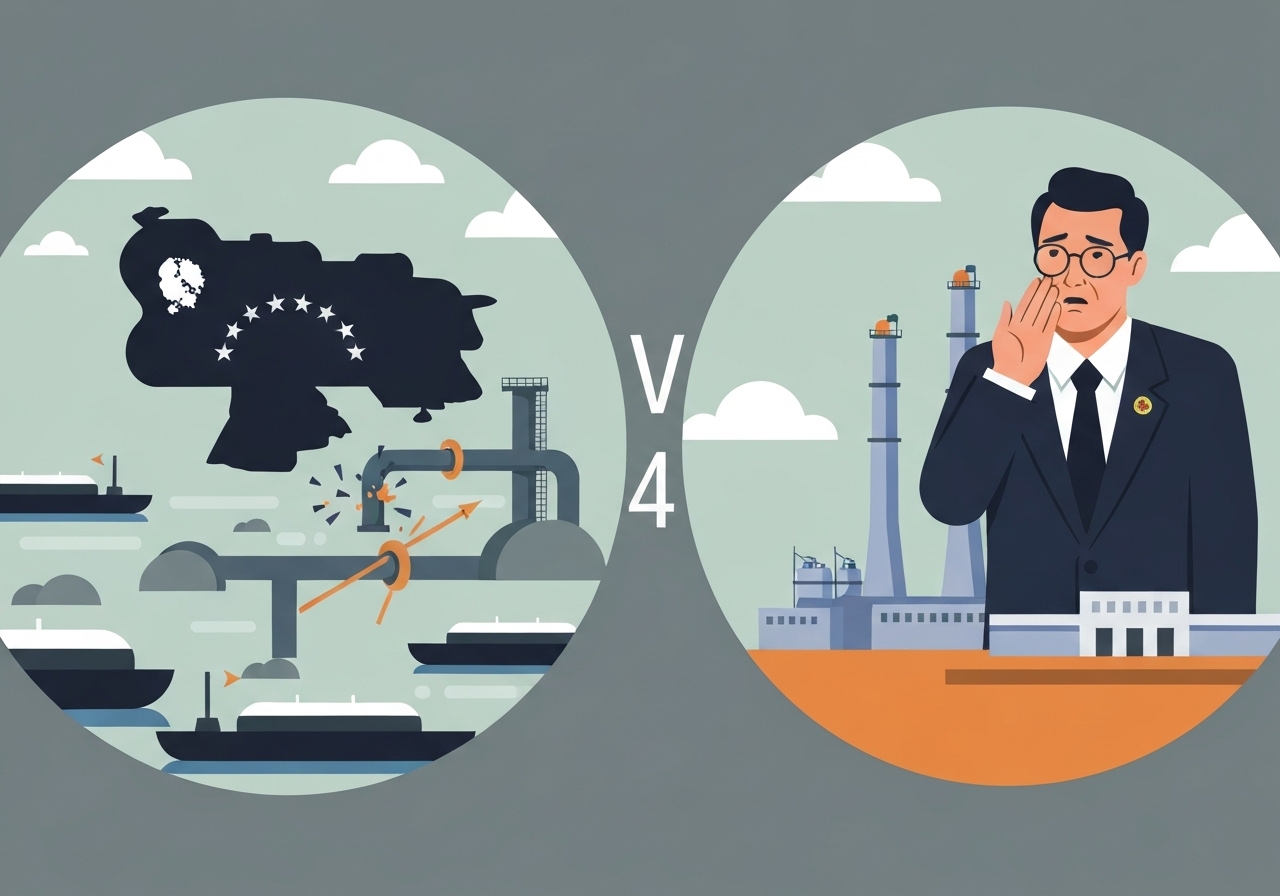
US measures taken under former President Donald Trump targeting Venezuela’s oil sector have elevated the risk that Chinese crude flows from the South American nation could be disrupted. The moves, implemented by Washington through sanctions and asset restrictions, affect state-linked Venezuelan oil entities and the contracts that underpin oil-for-loan arrangements with Chinese counterparts. The immediate result is heightened uncertainty for Chinese refiners and lenders that rely on Venezuelan grades. Market observers say the development creates short- and medium-term supply and financial risks for both trading partners.
Key Takeaways
- Washington imposed targeted measures affecting Venezuela’s oil sector that complicate exports handled by state-owned PDVSA and related entities.
- China has provided loans and taken oil shipments from Venezuela under long-term arrangements since the late 2000s, making it a major external partner.
- Disruptions could force Chinese refiners to substitute Venezuelan heavy crude with other grades, potentially raising costs and logistical complexity.
- Sanctions and asset access limits increase credit and repayment risk for Chinese banks that financed Venezuelan oil-for-loan deals.
- Energy traders warn that volatility in Venezuelan output could tighten heavy-sour supply in certain regional hubs for several months.
- Commercial channels such as third-country intermediaries may emerge to route cargoes, but they carry higher compliance and reputational risk.
Background
China and Venezuela have had a decades-long energy and financial relationship in which Beijing provided financing in exchange for future oil deliveries. Those deals, often structured as prepayment or loan-for-oil arrangements, became a crucial source of liquidity for Caracas as domestic oil production declined. Over time, state-owned Chinese oil companies and state banks moved from purely commercial trading to creditor and development partners.
From Washington’s perspective, successive US administrations have viewed the Venezuelan government’s control of the oil sector as a lever to influence political outcomes in Caracas. The Trump administration expanded the use of financial and trade restrictions on Venezuelan state entities, aiming to pressure the ruling authorities. Those actions intersect with China’s existing exposure through loans, equity, and offtake arrangements, creating a potential point of friction between the US extraterritorial measures and China’s commercial interests.
Main Event
The recent steps taken under the Trump-era policy framework tightened constraints on Venezuelan oil exports and on access to certain assets. Officials in Washington described the measures as intended to increase pressure on the Maduro-aligned apparatus overseeing national oil production and revenues. For firms involved in financing or receiving Venezuelan crude, the rules have complicated routine transactions and settlement channels.
Chinese state-affiliated refiners and trading arms have been monitoring the legal and operational implications closely. Some firms have slowed or suspended new long-term arrangements pending clarity on sanctions enforcement and potential exemptions. At the same time, Chinese banks that extended credit against future cargoes face increased counterparty and recovery risk if shipments cannot be made or proceeds are seized or frozen under jurisdictional claims.
On the ground, Venezuelan oil output has already been under strain from underinvestment, maintenance backlogs and management challenges. The added pressure of external restrictions risks further reducing export volumes and complicating logistics at loading terminals, which would affect scheduled shipments to Asia and other regions.
Analysis & Implications
Strategically, the intersection of US policy and China’s energy security highlights how geopolitics now directly affects commodity flows. If Venezuelan crude becomes harder to move, Chinese refiners that favor heavy sour grades will need to secure alternative supplies from other producers or blend different mixes—both options that can increase costs and technical complexity for refinery operations.
Financially, loan-for-oil structures create a two-way exposure: Chinese creditors risk non-repayment if cargoes are blocked, while Venezuelan producers risk losing access to essential financing that underwrites ongoing output. That dynamic raises the prospect of a feedback loop in which reduced financing leads to lower production, which in turn reduces collateral value and repayment prospects.
Diplomatically, the situation creates tension for Beijing, which must balance political considerations with the commercial priorities of state firms and lenders. China’s leaders may seek to use diplomatic channels to protect their economic interests, pursue carve-outs or operational workarounds, and encourage private and state firms to minimize exposure to enforcement risk.
Comparison & Data
| Period | Relationship Character |
|---|---|
| Pre-2007–2010s | Growing loans-for-oil and upstream cooperation |
| Mid-2010s–Present | Debt financing, equity stakes, and direct offtake amid production decline |
Even without precise cargo counts in this piece, the table shows an evolution from financing-led ties to a complex mix of lending, equity and commercial trade. That complexity increases the number of stakeholders affected by any policy action and complicates mitigation steps for buyers and banks.
Reactions & Quotes
Washington framed the measures as tools to increase pressure on Venezuela’s oil revenues and leadership.
U.S. Treasury (official summary)
This characterization reflects the publicly stated aim of aligning economic pressure with political objectives. Officials emphasized targeting revenue streams rather than blanket curbs on crude flows to third-party buyers.
Chinese refiners and banks are assessing legal risk and operational exposure as shipments and financing arrangements face new constraints.
Industry analysts (paraphrase)
Analysts note that while short-term workarounds can route cargoes through intermediaries, long-term certainty depends on clearance mechanisms and diplomatic outcomes between major stakeholders.
Unconfirmed
- Whether specific cargoes already en route to Chinese buyers have been blocked or rerouted remains unclear from public records.
- The precise value of Chinese loans at immediate risk under the most recent measures is not confirmed in available public disclosures.
Bottom Line
The Trump-era measures targeting Venezuela’s oil sector considerably increase the uncertainty around supplies that have historically flowed to Chinese buyers. The interaction of sanctions, financing structures and degraded domestic Venezuelan production creates a multi-layered risk to consistent crude deliveries and loan repayment prospects.
For Chinese refiners and lenders, the immediate priorities will be legal risk assessment, securing alternative crude sources where feasible, and engaging diplomatically and commercially to protect existing contracts. For markets, close monitoring of cargo movements, payment channels and any regulatory clarifications will determine whether the impact becomes a temporary disruption or a longer structural shift in heavy-crude supply patterns.
Sources
- Financial Times (news, paywalled)
- U.S. Energy Information Administration — Venezuela country profile (official energy data)
- U.S. Department of the Treasury (official announcements and sanctions guidance)