
Lead
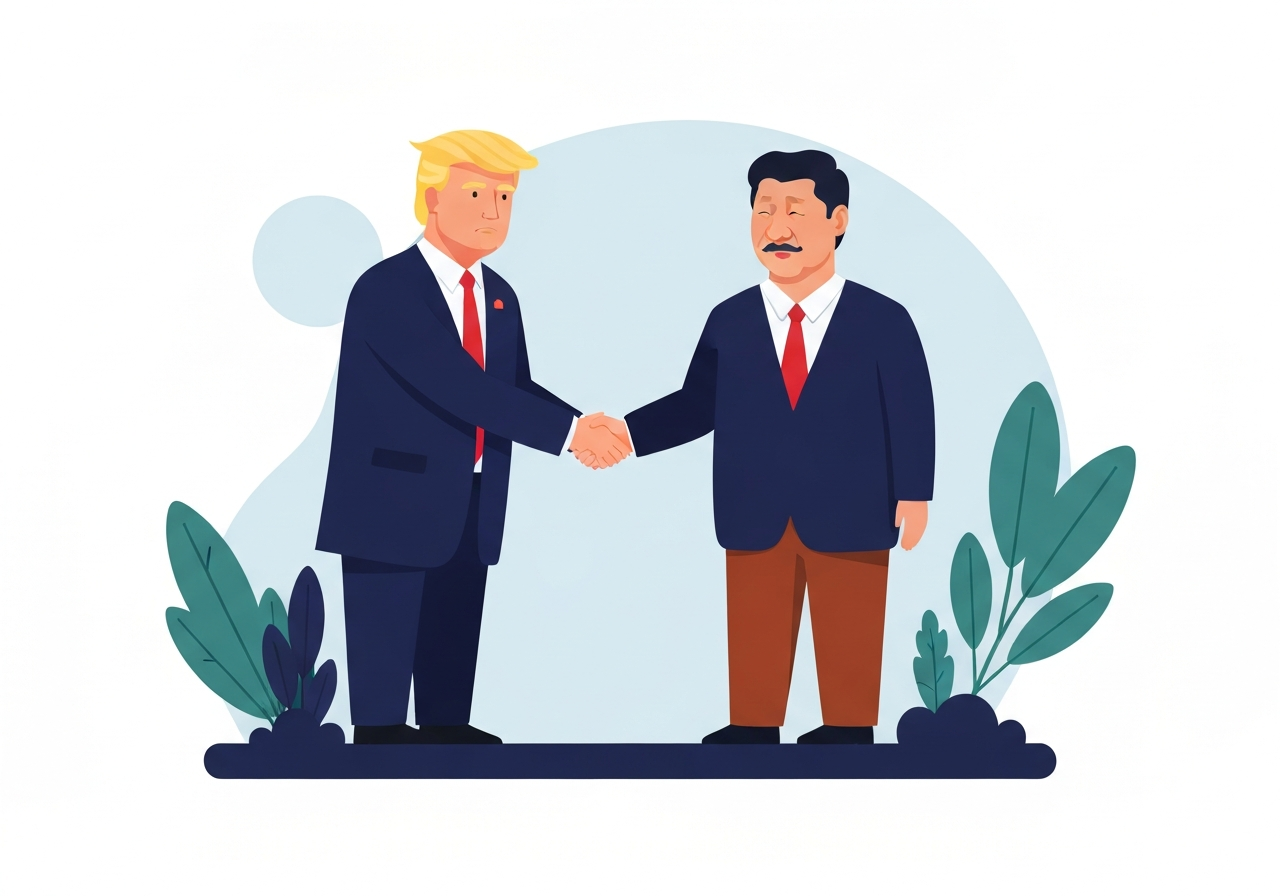
US President Donald Trump has confirmed a trip to China to meet President Xi Jinping on 14–15 May, after postponing an earlier visit because of the US–Israel campaign against Iran. The Washington visit by Xi is also planned later this year, with officials saying preparations are being finalised. The delay followed wide-ranging strikes and subsequent regional attacks that disrupted global energy routes, prompting intensive diplomatic coordination.
Key Takeaways
- Trump announced the China meeting for 14–15 May and said Xi will later visit Washington; White House officials described preparations as near-final.
- The trip was delayed from the original 31 March date amid US–Israel strikes on Iran and ensuing regional retaliation.
- Officials say the postponement reflected operational needs during ongoing combat operations; press secretary Karoline Leavitt noted an expected four-to-six-week window.
- Iran’s response included attacks on Israel and US-allied states and disruptions to the Strait of Hormuz, contributing to a global fuel supply shock.
- This would be the first visit to China by a sitting US president in nearly 10 years; the last presidential China trip occurred in November 2017.
- Trump and Xi last met on the sidelines of the APEC summit in October; both capitals continue to manage trade, technology and security tensions.
- Beijing has not publicly released Xi’s schedule in advance; Chinese foreign ministry says timing discussions with Washington are ongoing.
Background
The planned bilateral meetings follow months of heightened geopolitical friction: US–China relations remain strained over trade disputes, technology competition, and regional security concerns. A US presidential visit to Beijing has been absent since November 2017, creating a diplomatic gap that both sides frequently describe as suboptimal for crisis management and people-to-people exchange.
The immediate cause for the scheduling change was a sharp escalation between the US, Israel and Iran. After strikes attributed to US and Israeli forces killed Iran’s supreme leader, Iran launched attacks on Israel and US-aligned states in the Gulf. Those actions disrupted traffic through the Strait of Hormuz, a critical artery for global oil and liquefied natural gas shipments.
Main Event
Trump posted the dates on his social platform and the White House press office, and press secretary Karoline Leavitt confirmed them to reporters, saying President Xi had understood and accepted the request to postpone. Leavitt framed the delay as necessary so the US president could be present during ongoing combat operations.
Beijing has not publicly confirmed Xi’s itinerary; Chinese authorities typically keep senior leaders’ travel plans private until closer to the date. China’s foreign ministry said earlier that it was in talks with Washington about timing, while state media urged renewed exchanges between the two governments.
The US announcement follows months of shuttle diplomacy to stabilise energy flows and reassure allies after the Strait of Hormuz disruptions. Trump has urged allied states to help reopen the waterway and warned Iran it could face strikes on energy infrastructure if access remained blocked.
If the May meetings go ahead, they will be closely watched for concrete signals on de‑escalation, sanctions, trade talks, and coordination on regional security. Officials on both sides have described the visits as historic, reflecting the high stakes in the bilateral relationship.
Analysis & Implications
A presidential visit in May would serve several purposes: a visible attempt to normalise high‑level dialogue, a platform to press China on economic and security issues, and an opportunity to coordinate responses to the Iran crisis. The timing also suggests the White House sees a window for diplomatic engagement once immediate combat operations ease.
For Beijing, hosting a US president after nearly a decade would be politically significant and domestically useful for signalling China remains central to global diplomacy. Yet China faces its own constraints—managing nationalist expectations and balancing relations with regional actors affected by the Iran conflict.
Economically, any de‑escalation that restores secure passage through the Strait of Hormuz would relieve pressure on global fuel prices and shipping insurance costs. Conversely, failure to secure reliable transit would keep upward pressure on energy markets and complicate supply chains tied to crude and LNG shipments.
Strategically, the meetings will test whether personal diplomacy between Trump and Xi can produce practical outcomes on technology controls, tariffs, and alliance coordination, or whether structural competition will limit any long‑term rapprochement. Observers will watch for concrete deliverables—joint statements, trade concessions, or security understandings—that go beyond staging and symbolism.
Comparison & Data
| Year | US President | Visit |
|---|---|---|
| 2017 | Donald Trump | Visited China (November) |
| 2026 (planned) | Donald Trump | Planned visit to China (14–15 May) |
The table contextualises the gap between high‑level visits: nearly a decade passed since a sitting US president made an official trip to Beijing. Analysts note that fewer leader‑level exchanges coincide with deeper strategic competition compared with earlier eras of intensive bilateral engagement.
Reactions & Quotes
“President Xi understood that it’s very important for the president to be here throughout these combat operations right now,” White House press secretary Karoline Leavitt said, explaining the rationale for the postponement.
Karoline Leavitt / White House (press briefing)
State‑aligned commentary in Chinese outlets urged resumption of people‑to‑people exchanges and warned that prolonged diplomatic absence would be abnormal for two major powers.
Global Times (Chinese state media)
Unconfirmed
- China has not publicly confirmed Xi’s participation on 14–15 May; forward schedules for top Chinese leaders are typically withheld until closer to travel dates.
- Whether the regional military tensions and disruptions to the Strait of Hormuz will have eased by mid‑May remains uncertain; officials previously cited an approximate four‑to‑six‑week timeline but outcomes depend on battlefield developments.
- Details of Xi’s planned Washington visit later this year—including exact dates and agenda—remain to be finalised and publicly announced.
Bottom Line
The proposed May meetings between President Trump and President Xi would mark a high‑profile resumption of leader‑level contact after a prolonged gap. The timing reflects both the need to manage an acute regional conflict and a strategic push to stabilise US‑China channels at the highest level.
Outcomes are likely to be mixed: the visits can restore a degree of diplomatic bandwidth and may yield short‑term coordination on energy and security, but structural rivalry over trade, technology and regional influence will limit transformative breakthroughs unless accompanied by concrete policy shifts on both sides. Watch for public statements, any joint communiqués, and the details of bilateral follow‑up after the meetings.
Sources
- BBC News (international news outlet reporting on the announcement)
- The White House — Briefing Room (official press statements and press‑briefing transcripts)
- Global Times (Chinese state‑affiliated media commentary)