
On Nov. 30, 2025, Republican Rep. Mike Turner of Ohio warned that a White House-backed peace framework for Ukraine risks appearing pro-Russia, saying any settlement must treat Moscow as a skeptical adversary. Turner spoke on Face the Nation as negotiators met in Miami, where a Ukrainian delegation began talks with Senator Marco Rubio, Special Envoy Steve Witkoff and Jared Kushner. Turner acknowledged the importance of pursuing peace while stressing that terms must preserve Ukrainian sovereignty and address threats from Russian military and cyber operations. The meeting in Miami continued a series of diplomatic efforts after a White House proposal earlier this month drew criticism for provisions President Volodymyr Zelenskyy had previously rejected.
Key Takeaways
- On Nov. 30, 2025, Ukrainian negotiators met in Miami with Senator Marco Rubio, Steve Witkoff and Jared Kushner to discuss a proposed peace plan.
- Rep. Mike Turner, a member of the House Armed Services Committee and former House Intelligence Committee chair, expressed concern the plan could favor Russia.
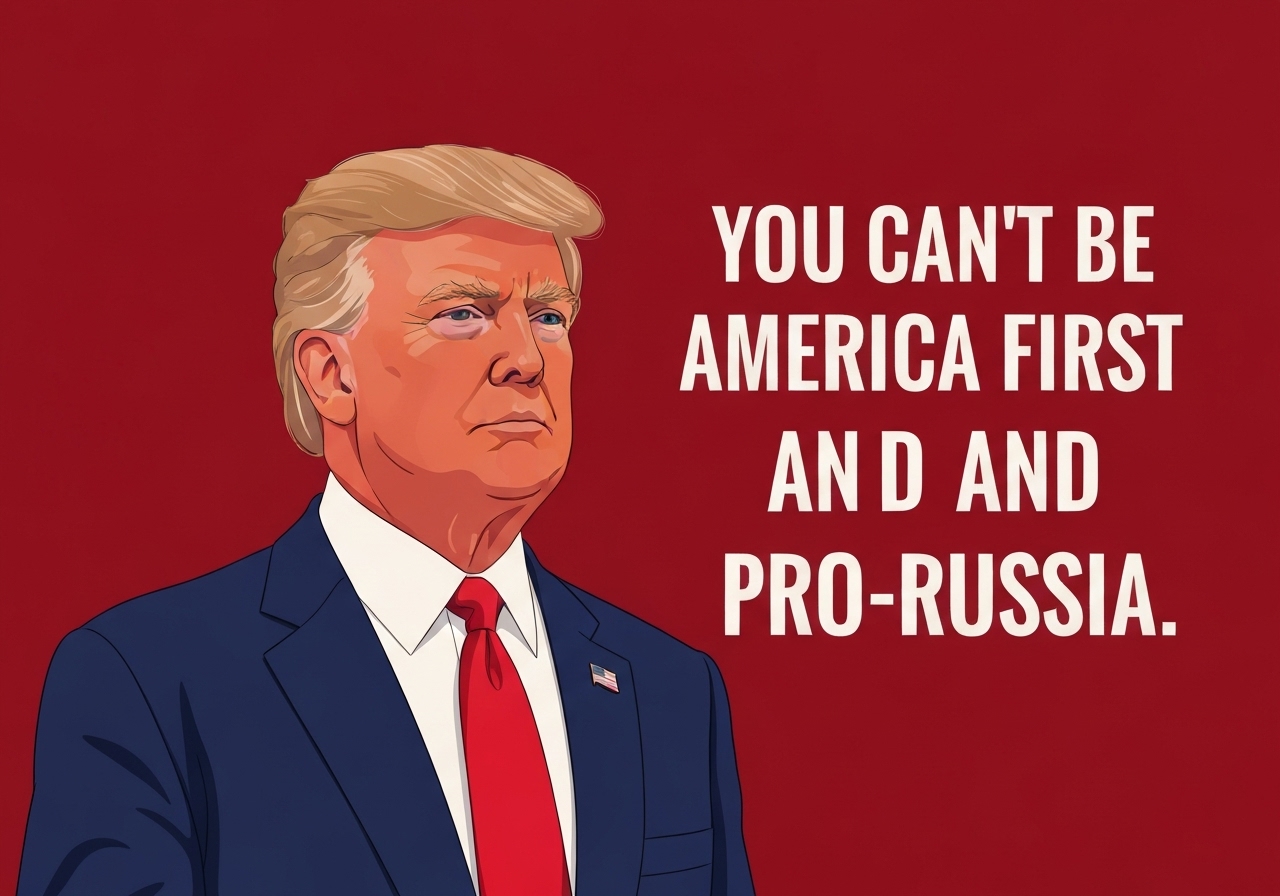
- Turner argued the United States cannot both pursue an ‘America first’ posture and be seen as pro-Russia, citing Russia’s new nuclear capabilities and ongoing cyber attacks.
- The White House floated a peace proposal earlier in November 2025 that included provisions Zelenskyy had previously rejected; the administration says the plan has been revised.
- Bloomberg published a transcript suggesting Special Envoy Steve Witkoff coached a Kremlin aide, prompting concerns about the sequencing of calls between Putin and Trump before Zelenskyy could speak to the U.S. president.
- Witkoff is expected to travel to Moscow later in the week to continue talks, according to meeting participants.
- Senator Rubio described the Miami session as ‘very productive’ and reiterated that the aim is both to end the war and secure Ukraine’s long-term safety and prosperity.
Background
The Ukraine war has repeatedly drawn the U.S. into complex diplomatic, military and political choices since Russia’s full-scale invasion. The Trump administration has signaled interest in brokering a negotiated end to hostilities, presenting a draft framework earlier in November that critics said contained elements unacceptable to Kyiv. President Volodymyr Zelenskyy has previously rejected proposals that compromise Ukrainian sovereignty or security guarantees, and Kyiv’s negotiating team has made safeguarding independence its primary red line.
Within the U.S., reactions split along partisan and institutional lines: some Republicans and Democrats emphasize achieving a ceasefire quickly to reduce casualties, while others stress that any agreement cannot reward Russian territorial gains or weaken NATO deterrence. Lawmakers on the House Armed Services and Intelligence committees, including Turner, have particular concerns about preserving long-term deterrence against a Russia that U.S. officials say fields advanced weapons, nuclear-capable systems, and persistent cyber operations. Those security assessments shape how lawmakers view the acceptability of diplomatic concessions.
Main Event
The Miami session began Sunday with a Ukrainian delegation meeting separately with Senator Rubio, Jared Kushner and Special Envoy Steve Witkoff. Rubio opened by framing the objective as more than stopping the fighting: he said negotiators must secure a peace that leaves Ukraine sovereign and able to prosper. Meeting participants described a focus on sequencing, security guarantees and economic reconstruction as part of any durable settlement.
On Face the Nation, Turner said he shares the goal of ending the war but warned against terms that would effectively accept Russian demands that undermine Ukraine’s independence. He emphasized that the United States must view Russia as an adversary that has deployed new offensive and nuclear-capable systems and repeatedly targeted U.S. interests with cyberattacks.
The Bloomberg-published transcript of a call involving envoy Steve Witkoff prompted further scrutiny. Turner said the apparent orchestration — in which Putin appeared to have a chance to speak to President Trump before Zelenskyy — was especially troubling because it could undercut Kyiv’s opportunity to make its case directly to the U.S. president. Meeting organizers said the draft plan has been revised since it was first circulated, and Rubio described the Miami talks as a productive step toward refining terms.
Analysis & Implications
Turner’s comments reflect a broader anxiety among some U.S. policymakers: that the urgency of ending combat must not produce an agreement that rewards aggression or leaves Ukraine exposed. If a settlement is perceived as tilted toward Russian security objectives or territorial acceptance, it could weaken NATO cohesion and embolden further Russian coercion elsewhere. Lawmakers worried about that outcome argue for binding security guarantees and verification mechanisms as part of any deal.
Domestically, the episode highlights tensions within the coalition supporting Ukraine: executive-branch intermediaries and outside envoys can move faster than Congress, but that speed raises questions about transparency and sequencing. The Bloomberg transcript allegation amplified concerns that back-channel choreography might short-circuit established diplomatic channels or marginalize Kyiv’s voice, complicating congressional support for implementation or post-agreement assistance.
On the strategic level, treating Russia as a skeptical adversary — Turner’s formulation — implies combining diplomacy with deterrence: any peace architecture likely will need layered security arrangements, international verification, and continued defense cooperation with Ukraine. Failure to design such safeguards risks both a fragile ceasefire and a lasting diminution of Ukrainian sovereignty, which would have ripple effects for European security and U.S. credibility.
Comparison & Data
| Actor | Public Stance | Role in Talks |
|---|---|---|
| White House (Nov 2025) | Proposes revised peace framework; aims to end war | Principal sponsor of the plan |
| Ukraine (Zelenskyy) | Insists on sovereignty; rejected previous provisions | Primary affected party and negotiator |
| Rep. Mike Turner | Warns against pro-Russia tilt; emphasizes deterrence | Congressional oversight and critic |
| Sen. Marco Rubio | Supports negotiated end that preserves sovereignty | Lead U.S. negotiator in Miami meetings |
| Russia | Seeks security concessions; advanced military posture | Counterparty to any agreement |
The table summarizes public positions reported around the Miami session. Analysts note that numerical metrics — territory controlled, force posture, and verification capacity — will determine how durable any deal can be; those metrics are still being negotiated. Success will depend on clear verification, multilateral guarantees and political buy-in from Kyiv and Western capitals.
Reactions & Quotes
House Republican concerns framed much of the media reaction after the Miami talks opened. Turner spoke to CBS about the need for balance in any plan and flagged intelligence and force-posture concerns that shape congressional scrutiny.
you can’t be America first and pro-Russia
Rep. Mike Turner (R-Ohio)
Senator Rubio, who led parts of the Miami discussions, reiterated the stated aims of negotiators and sought to reassure participants that the goal was both ceasefire and Ukrainian security.
the end goal is obviously not just the end of the war
Sen. Marco Rubio
After the meeting Rubio called the session very productive and stressed there is more work ahead, noting that Witkoff’s planned travel to Moscow would bring Russia into later stages of consultation.
Unconfirmed
- The exact language and full set of provisions in the White House’s revised peace proposal have not been made public and remain subject to negotiation.
- The full scope and intent of the Bloomberg-published transcript are still being evaluated; assertions of deliberate orchestration have not been independently verified.
- Outcomes of Steve Witkoff’s planned trip to Moscow later that week, including whether it will produce new concessions from Russia, were not reported at the time of the Miami meeting.
Bottom Line
The Miami meetings on Nov. 30, 2025 marked a consequential moment in efforts to broker an end to the war in Ukraine, but also exposed fault lines about sequencing, transparency and the substance of any settlement. Rep. Turner’s comments signal that significant congressional scrutiny will follow if lawmakers believe a deal compromises Ukrainian sovereignty or weakens deterrence against Russia.
For any prospective agreement to survive, negotiators must reconcile rapid diplomatic outreach with robust safeguards: clear, verifiable protections for Ukraine; credible international guarantees; and buy-in from Kyiv, Western capitals and Congress. Absent those elements, a ceasefire could be short-lived and risk deeper geopolitical costs for European security and U.S. credibility.
Sources
- CBS News (media report of Face the Nation interview and Miami meeting)
- Bloomberg (media: reported transcript referenced in coverage)
- Office of Sen. Marco Rubio (official Senate office)