
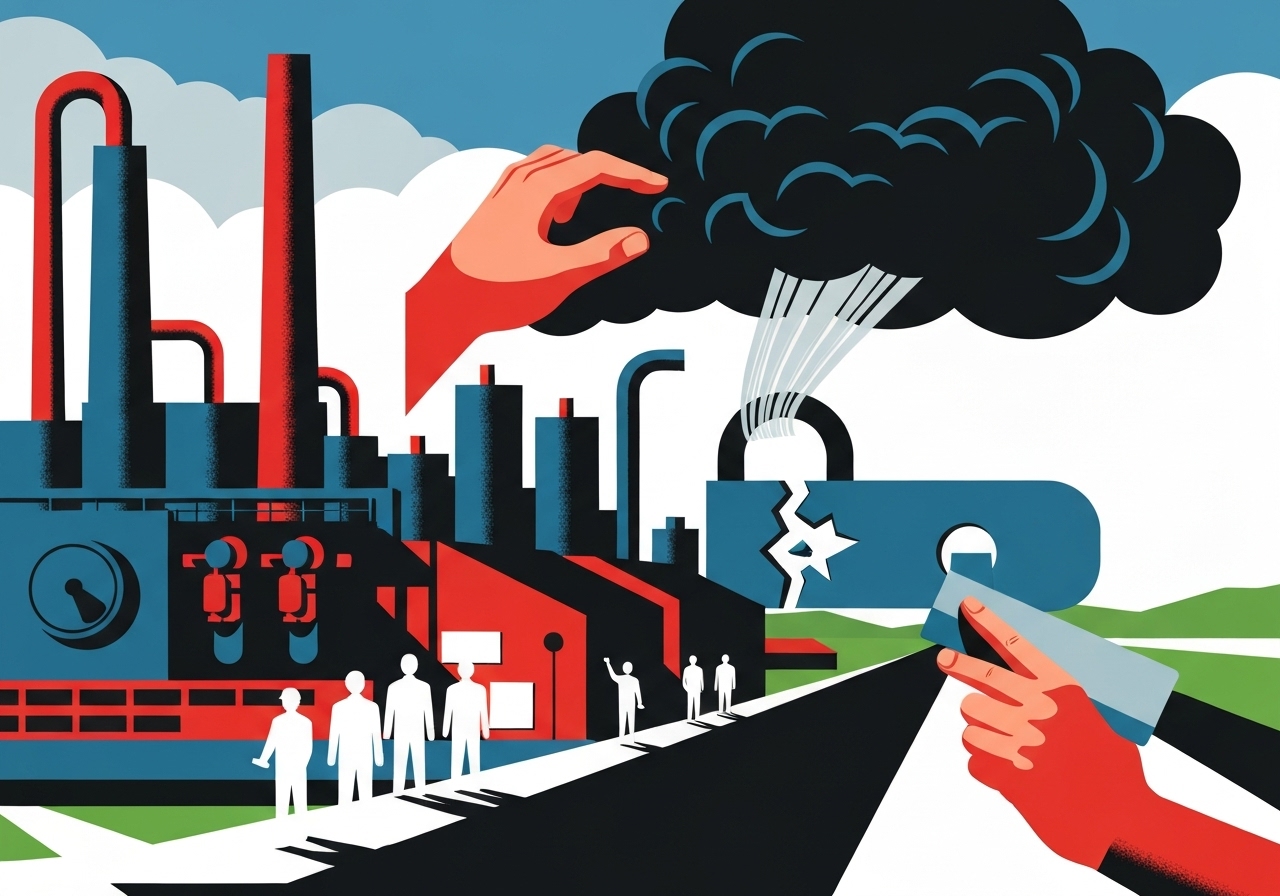
Lead: Tyson Foods announced on Nov. 21, 2025 that it will close its large beef processing plant in Lexington, Nebraska, a facility that employs more than 3,000 people. The company said the plant is expected to shut in January and that its Amarillo, Texas beef plant will drop to one shift. Tyson framed the move as part of a plan to “right-size” its beef business amid high beef prices and the lowest U.S. cattle inventories in decades. The company also said it will try to place affected workers at other facilities and offer relocation assistance.
Key Takeaways
- The Lexington, Neb., plant employs more than 3,000 people and is scheduled to close in January 2026, according to Tyson’s Nov. 21, 2025 announcement.
- Tyson will reduce the Amarillo, Texas beef facility to one shift, shifting production to other sites to meet demand.
- Tyson cited market pressures and herd declines; U.S. beef cattle numbers have fallen 13 percent since 2019.
- The company anticipates operating losses of $400 million to $600 million on beef in the next fiscal year, disclosed on a recent earnings call.
- Lexington’s town population was about 10,000 in 2023; the plant closure represents a significant local employer contraction.
- Tyson said it will provide job placement and relocation benefits for affected employees, but specifics on timing and scale of rehiring were limited in the announcement.
- Industry capacity will be tightened regionally in the near term, with Tyson saying it will increase output at other beef plants to meet customer demand.
Background
The U.S. beef industry has been operating under shrinking herd sizes and elevated retail prices for several years. Federal and industry data show the national beef cattle inventory is down about 13 percent since 2019, a structural change driven by drought, herd liquidation and slower herd rebuilding. At the same time, meatpacking has consolidated: four large companies control a sizeable share of slaughter and processing capacity, creating concentrated exposure when one operator adjusts output.
Lexington, roughly 170 miles west of Lincoln, Nebraska, is a small city whose economy is closely tied to agriculture and meat processing; the Tyson facility has been one of the largest local employers. Past plant slowdowns and closures in rural meatpacking hubs have produced sharp local labor-market impacts, ripple effects for suppliers and pressure on municipal budgets. Tyson’s announcement follows a period in which the company flagged beef-margin challenges and forecast substantial operating losses for its beef segment.
Main Event
On Nov. 21, 2025 Tyson Foods issued a statement saying it would close its Lexington beef processing plant in January and reduce shifts at its Amarillo facility. The company described the moves as efforts to “right-size” the business and position it for long-term stability, while promising to increase production at other beef sites to fill customer orders. Tyson emphasized operational continuity, saying it will redirect product flows and ask workers impacted by the Lexington closure to apply for vacancies elsewhere within the company.
Company officials disclosed on a recent earnings call that they expect operating losses of between $400 million and $600 million on beef in the next fiscal year, a figure they linked to market conditions and herd shortages. Tyson’s statement included a commitment to provide relocation benefits and job-placement help, but it did not specify how many Lexington employees will be rehired at other locations or how quickly transitions will occur. Local leaders and workforce officials are now coordinating with Tyson and state agencies to map assistance and retraining options.
The decision follows months of pressures across the cattle and processing pipeline: higher feeder cattle costs, elevated consumer beef prices and uneven availability of slaughter cattle. Tyson said increasing output at other plants will compensate for lost capacity, though the firm did not provide detailed ramp schedules or which facilities will expand production. Supply-chain partners — from truckers to local feed suppliers — are watching for short-term disruptions as logistics are reallocated.
Analysis & Implications
In the near term, closing the Lexington plant will directly affect thousands of workers and auxiliary services in a town of roughly 10,000 residents, magnifying the economic shock of a single-employer disruption. Even with relocation assistance, practical frictions — distance, family ties and housing availability — make full internal redeployment difficult. Municipal revenues tied to payrolls and business activity could fall, forcing local governments to revisit budgets and service provision.
On a national level, the move illustrates how packer-level adjustments respond to tighter cattle supplies: with cattle inventories down 13 percent since 2019, processors face higher procurement costs and thinner margins. Consolidated operators may shift capacity across plants to optimize costs, but that can concentrate local shocks. Retail beef prices may remain elevated if processing bottlenecks persist, adding pressure on consumers and downstream foodservice buyers.
Regulatory and policy implications include renewed scrutiny of market concentration and resilience in the red-meat supply chain. Policymakers in recent years have debated measures to boost competition or support regional processing capacity; a large closure like Lexington could revive those discussions. For Tyson, the risk is reputational and operational: managing community fallout while keeping customers supplied and protecting overall profitability will be the short-term challenge.
Comparison & Data
| Metric | Reported Figure |
|---|---|
| Lexington plant employment | More than 3,000 workers |
| Town population (2023) | About 10,000 |
| U.S. beef cattle change since 2019 | -13% |
| Expected beef operating loss (next fiscal year) | $400M–$600M |
| Amarillo plant | Reduced to one shift |
The table summarizes the known quantitative facts from Tyson’s announcement and public data cited in coverage. While Tyson will attempt to shift production to other facilities, the scale of output reallocation required to replace Lexington’s throughput is substantial given the employee count and regional supply links. The cattle inventory decline underscores why processors are under financial pressure; fewer head of cattle translate into tighter slaughter availability and higher procurement costs.
Reactions & Quotes
Tyson framed the decision as a business realignment intended to secure long-term protein supply while managing current market realities. Company communications emphasized worker assistance programs and a plan to move some production to other plants.
“These changes are designed to right-size our beef business and position it for long-term success.”
Tyson Foods (official statement)
Executives also spelled out the financial stakes that drove the move during a public earnings discussion, highlighting the sizable near-term losses the beef segment faces.
“We expect operating losses between $400 million and $600 million on beef in the next fiscal year.”
Tyson Foods (earnings call)
Industry observers note that strategic capacity shifts are a common response to herd declines but warn of concentrated local consequences. Local officials in Lexington have said they will pursue state and federal workforce resources to support displaced employees.
“A closure of this scale will tighten local labor markets and test the community’s ability to absorb job losses quickly.”
Industry analyst (unaffiliated)
Unconfirmed
- Exact number of Lexington employees who will be rehired at other Tyson facilities remains unspecified and was not released with the initial statement.
- The precise schedule and which Tyson plants will increase production to replace Lexington’s output have not been confirmed by the company.
- Short-term consumer-price effects from this single closure are uncertain; broader price moves will depend on how quickly processing capacity is reallocated and cattle supply trends.
Bottom Line
Tyson’s decision to close the Lexington plant underscores the intersecting pressures of reduced cattle inventories, elevated input costs and the strategic responses of a consolidated processing sector. For Lexington and similar communities, the human and fiscal consequences will be immediate — thousands of workers face job transitions and local businesses may see reduced demand.
For the broader market, the closure signals further consolidation of processing in response to herd declines and tight margins, which could sustain upward pressure on beef prices unless herd rebuilding accelerates or capacity is added elsewhere. Policymakers, industry stakeholders and local leaders will be watching whether Tyson’s internal redeployment and assistance programs meaningfully cushion the regional shock.