
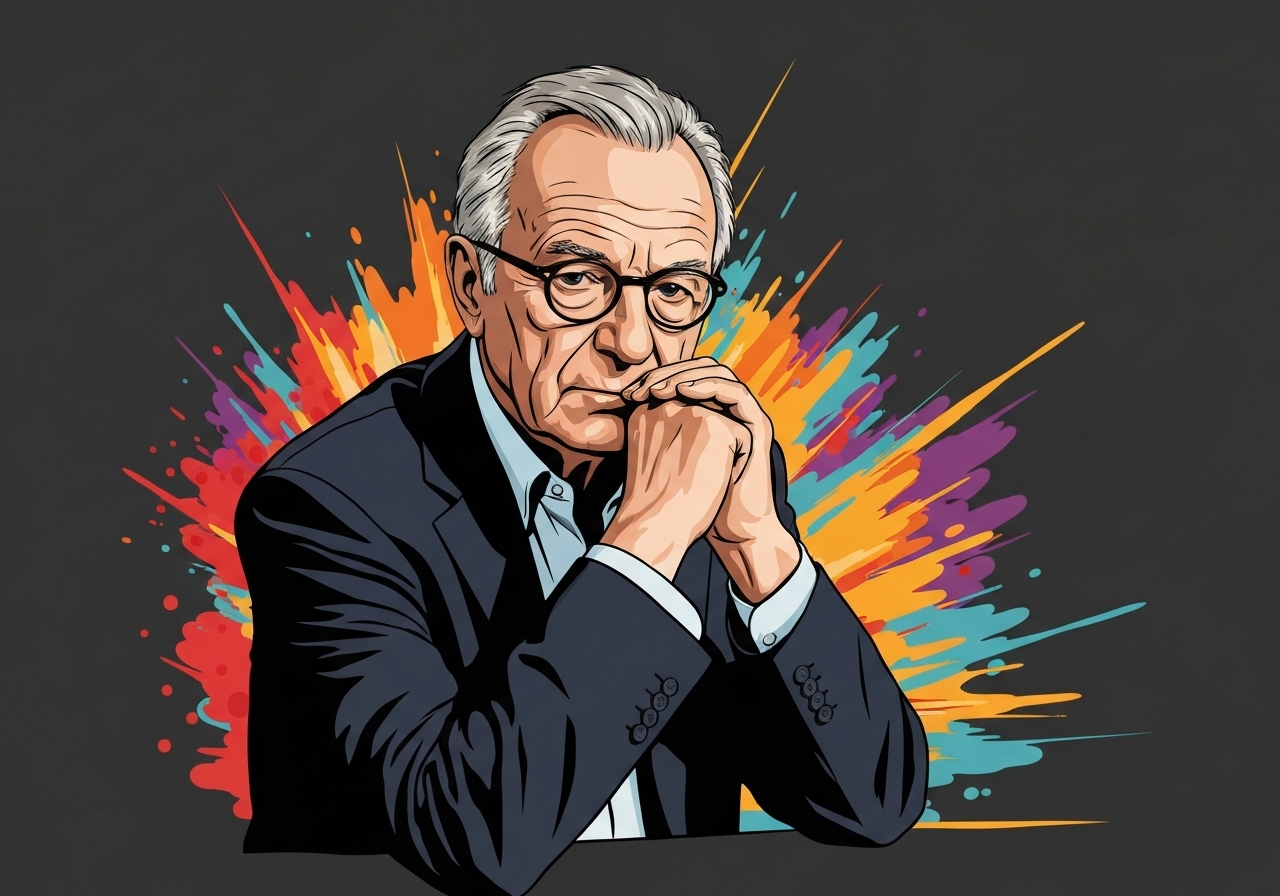
Lead: Udo Kier, the Cologne-born German actor whose career spanned European art-house cinema and mainstream Hollywood, died on Sunday, November 24, 2025, at age 81, his partner Delbert McBride told Variety. Over more than six decades he appeared in upwards of 250 film and television credits, building a reputation for flamboyant villainy and collaborations with major directors. His death was first reported by entertainment outlets on Sunday; official memorial plans have not been announced. CNN has contacted Kier’s agent for comment.
Key Takeaways
- Kier died on Sunday, November 24, 2025, at age 81, according to his partner Delbert McBride (reported to Variety).
- He accumulated more than 250 credits over a career that stretched across six decades, from the 1960s into the 2020s.
- Breakout roles in early-1970s cult horror — including Flesh for Frankenstein (1973) and Blood for Dracula (1974) — established him as a cult figure.
- He worked with directors such as Rainer Werner Fassbinder, Lars von Trier, Gus Van Sant and Werner Herzog, and collaborated with cultural figures including Andy Warhol and Madonna.
- He reached a broader U.S. audience with parts in Hollywood titles, notably Ace Ventura: Pet Detective (1994).
- Kier was born in Cologne in 1944 and later recounted that he and his mother were rescued from rubble after a bomb struck the hospital where he was born.
- As a young man he moved to London and was cast in his first screen role after being noticed in a coffee shop; later chance encounters led to key collaborations, including with Paul Morrissey.
Background
Udo Kier was born in Cologne in 1944 during the final year of World War II. He later recounted surviving a bombing at the hospital where he was born; that early survival story formed part of an origin narrative he shared in interviews. As a teenager he crossed paths with Rainer Werner Fassbinder before either man had achieved international recognition, an encounter that would bear creative fruit years later.
After relocating to London at 18, Kier was discovered by British singer-director Michael Sarne, who gave him his first screen role as a gigolo in a short film. A string of serendipitous meetings followed — including a chance conversation with Paul Morrissey on a flight — which led to his casting in early-1970s cult horror films that established his screen persona. Those films, and subsequent collaborations with leading European auteurs, allowed him to move easily between art-house projects and pop-culture work.
Main Event
Kier’s death was made public on Sunday, November 24, 2025, when his partner Delbert McBride spoke to Variety. News outlets including CNN reported the announcement and sought comment from the actor’s representatives; at the time of publication no formal statement or cause of death had been provided. Kier’s passing prompted immediate responses from colleagues and cultural commentators who noted the breadth of his body of work.
His early international recognition sprang from roles in Flesh for Frankenstein (1973) and Blood for Dracula (1974), directed by Paul Morrissey. Those performances — extreme, stylized, and theatrical — cemented his status in cult cinema and opened doors to European auteurs who valued his expressiveness and willingness to inhabit complex, often transgressive characters.
In the decades that followed, Kier became a frequent collaborator with Rainer Werner Fassbinder, appearing in projects that included the sprawling television adaptation Berlin Alexanderplatz, a 15-hour dramatization of interwar Berlin life. He also appeared in films by Lars von Trier, Gus Van Sant and Werner Herzog, demonstrating an unusually wide range of aesthetic alliances across the international film community.
Alongside art-house work, Kier maintained a presence in popular international cinema. His cameo in Ace Ventura: Pet Detective (1994) and appearances in other mainstream projects broadened his name recognition in the U.S. while leaving intact his cult and auteur credentials. In later life he lived in Palm Springs, California, where he cared for a dog named Liza and a giant tortoise called Hans.
Analysis & Implications
Kier’s career is notable for its longevity and its permeability between ostensibly separate film worlds. Many performers are typecast or constrained by market boundaries; Kier moved from underground horror to major auteur films to Hollywood comedies, maintaining a distinct screen identity that directors repeatedly sought out. That adaptability allowed him to remain visible to new generations while retaining credibility with cinephiles.
His collaborations with directors like Fassbinder and von Trier underscore a pattern in postwar European cinema: actors who serve as recurring muses for auteurs help create continuities of style and theme across decades. Kier’s work contributed to transnational film dialogues, linking German New Wave and Scandinavian provocateurs to American independent cinema and beyond.
Commercially, Kier’s cross-over work — including appearances in U.S. features — exemplifies how art-house credibility can coexist with mainstream visibility. For contemporary actors, his trajectory suggests that cultivating a distinctive persona and embracing varied projects can extend both creative opportunity and career durability. For festivals, distributors and streaming platforms, his catalogue remains a valuable asset for programming retrospectives and curated offerings.
Comparison & Data
| Metric | Fact |
|---|---|
| Career span | Over six decades (1960s–2020s) |
| Screen credits | More than 250 film and TV credits |
| Notable cult films | Flesh for Frankenstein (1973), Blood for Dracula (1974) |
| Mainstream breakout (U.S.) | Ace Ventura: Pet Detective (1994) |
The table above summarizes verifiable career metrics drawn from public reporting: a career beginning in the 1960s, a catalogue exceeding 250 screen credits, early-1970s cult horror highlights, and occasional mainstream Hollywood appearances. These data points help explain both Kier’s niche appeal among cult audiences and his intermittent mainstream visibility, factors that shaped his marketability and the curatorial interest in his films.
Reactions & Quotes
Colleagues and critics responded quickly to the announcement, highlighting Kier’s theatricality and longevity. Contemporary directors and festival programmers noted that his presence on screen was instantly recognizable and often scene-stealing.
“I liked the attention, so I became an actor.”
Udo Kier, quoted to Variety (2024)
The line above, from a 2024 Variety interview, captures Kier’s self-described motivation and his comfort with performative excess — traits that made him a natural fit for both camp-inflected horror and stylistically demanding auteur work.
In earlier interviews Kier recounted key chance encounters that shaped his early career and led directly to his breakout roles.
“I didn’t know who he was. We got talking. I said I was an actor and showed him my photos, and he wrote down my number on the last page of his passport.”
Udo Kier, recounted to The Guardian (2002)
That anecdote refers to a flight conversation with Paul Morrissey, which led to casting in Flesh for Frankenstein and a string of international projects. The story illustrates how personal interactions and timing played a recurring role in Kier’s trajectory.
Unconfirmed
- No official cause of death had been released at the time of reporting; family or representative confirmation is pending.
- Funeral arrangements and memorial plans had not been announced publicly; timing and location remain unconfirmed.
- Full details about any final projects or posthumous releases were not independently verified at publication.
Bottom Line
Udo Kier leaves behind an unusually eclectic body of work: a performer who was equally at home in transgressive horror, rigorous European auteur cinema and occasional mainstream comedies. His more than 250 credits and six-decade career made him a recognizable figure to varied audiences and a recurrent collaborator for directors seeking theatrical intensity.
His passing removes a singular presence from international film culture, but his films — from early Morrissey shock pieces to Fassbinder epics and later Hollywood appearances — provide a durable record of a performer who embraced risk and reinvention. Observers and programmers will likely revisit his oeuvre in retrospectives, and his influence on screen style and casting practices will remain a point of reference.
Sources
- CNN — news report (media)
- Variety — report citing partner Delbert McBride (entertainment press)
- The Guardian — archived interviews and profile reporting (newspaper)