
Lead
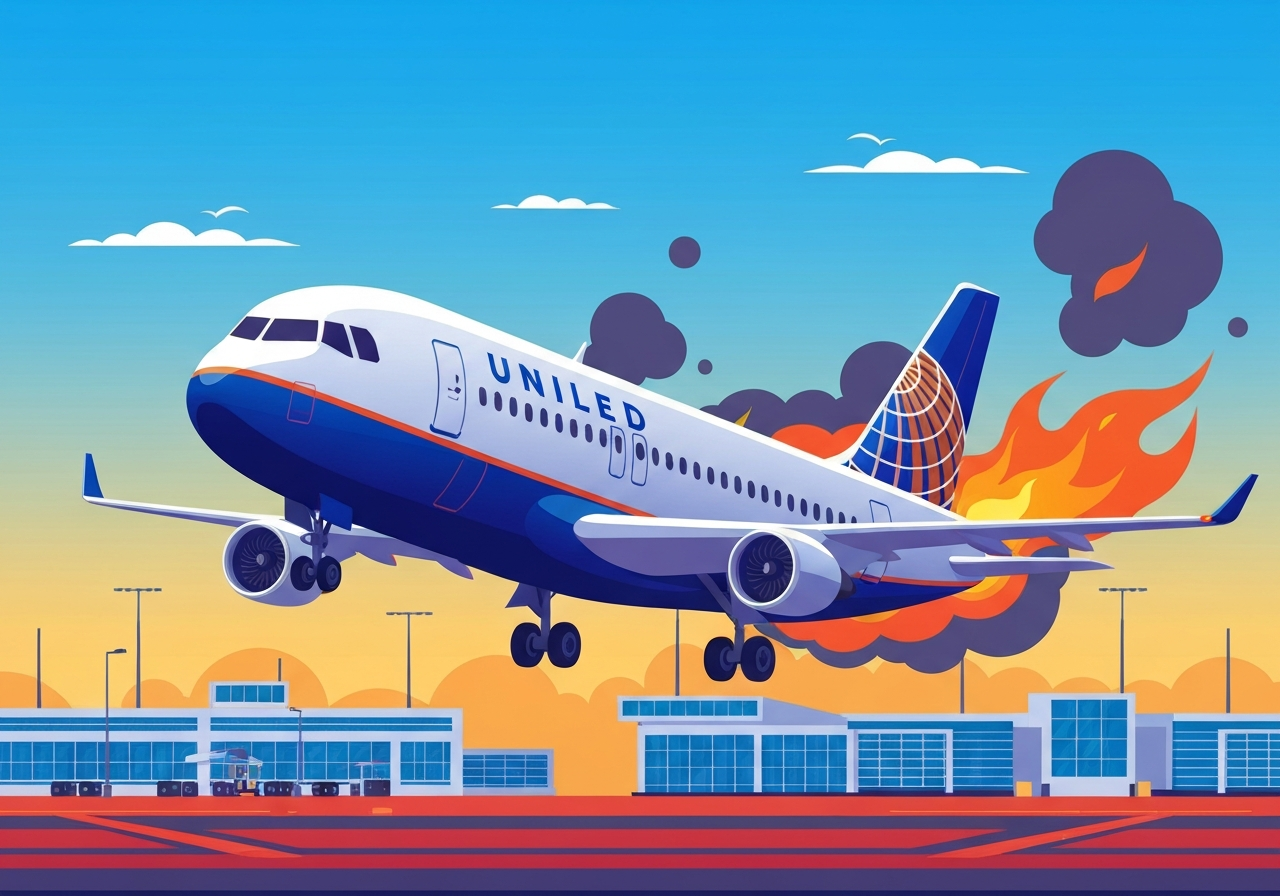
On the morning of March 2, 2026, United Airlines Flight 2127, a Boeing 787-9 carrying 256 passengers and 12 crew, turned back to Los Angeles International Airport shortly after takeoff from LAX for Newark. The flight departed at 10:14 a.m. and an aircraft problem prompting fire department response was reported as the jet returned at about 11:05 a.m. The plane landed on Runway 25 at 11:29 a.m., passengers were evacuated via slides and stairs, and no injuries were reported.
Key Takeaways
- Flight: United Airlines Flight 2127, Boeing 787-9, departed LAX at 10:14 a.m. on March 2, 2026.
- Occupants: 256 passengers and a 12-person crew were on board when the return was initiated.
- Timeline: Firefighters were notified roughly at 11:05 a.m.; the aircraft touched down at 11:29 a.m. on Runway 25.
- Response: Los Angeles Fire Department crews assisted with an orderly evacuation using slides and stairs; all evacuees were bused to terminals.
- Casualties: No injuries reported among passengers or crew following the emergency landing.
- Authority action: The FAA briefly implemented a ground stop that was later lifted by Los Angeles World Airports.
- Fire status: Firefighters monitored an engine after landing but had not confirmed an active in-flight fire at the time of the report.
Background
Los Angeles International Airport is one of the nation’s busiest hubs, handling hundreds of daily departures that require coordinated responses from airport operations, airline crews, and emergency services. Aircraft engine-related alerts are rare but prioritized; LAX and its responding agencies maintain practiced procedures to isolate risk and expedite evacuations when necessary. The Boeing 787-9 is widely used across long-haul routes, and when incidents occur they prompt reviews by the carrier and regulators to determine whether the issue was mechanical, operational, or environmental.
Stakeholders in an event like this include the airline (for passenger care and aircraft operations), the Los Angeles Fire Department (for on-runway firefighting and evacuation support), and the Federal Aviation Administration (for air traffic and safety oversight). Airlines typically deplane passengers to terminals and rebook or bus them onward while investigators and maintenance teams examine the aircraft. Past engine-related incidents have varied in cause, from mechanical failure to bird strikes; each triggers separate maintenance and safety checks.
Main Event
United Flight 2127 lifted off from LAX at 10:14 a.m. bound for New Jersey. Minutes after departure, crew reported an aircraft problem and the decision was made to return to LAX. Los Angeles Fire Department units were dispatched to Runway 25 where the aircraft landed at 11:29 a.m. on Monday, March 2, 2026.
Upon touchdown, ground crews assisted in evacuating passengers and crew from the jet. United’s spokesperson said passengers exited via slides and stairs and were transported by buses to the airport terminals for processing and onward travel arrangements. LAFD spokesperson Lyndsey Lantz said firefighters were alerted while the plane was inbound and that crews kept a close watch on the engine after the aircraft rolled to a stop.
Airport procedures included a short ground stop managed by the Federal Aviation Administration; Los Angeles World Airports later reported that the restriction had been lifted. Fire crews did not initially confirm whether flames were present when the aircraft landed, focusing first on ensuring everyone evacuated safely and on securing the aircraft for inspection.
Analysis & Implications
An in-flight engine alert that leads to a return and evacuation is operationally significant but not unprecedented. The immediate priority for crews and emergency responders is passenger safety, which in this case was achieved with no reported injuries. That outcome reduces acute liability risk but does not eliminate the need for a thorough technical inspection to determine root cause and required corrective actions.
For United and regulators, the event will prompt a focused maintenance review of the specific airframe and engine serial numbers, flight data and cockpit voice recordings, and any available sensor readings. If a mechanical fault is identified, it could lead to grounded aircraft for inspection and possible fleet directives; if the cause is external (for example debris or ingestion), mitigation may focus on procedural or environmental controls.
Operationally, even a single emergency return can cascade into delayed or canceled flights by consuming spare aircraft and crew resources. For passengers, the incident underscores the importance of airline contingency planning and the effectiveness of trained cabin crews and airport emergency responders. For the broader public, repeated similar incidents could elevate scrutiny of aircraft maintenance practices and oversight by the FAA.
Comparison & Data
| Item | Reported Time | Value |
|---|---|---|
| Departure | 10:14 a.m. | LAX |
| Firefighters alerted | 11:05 a.m. | While inbound |
| Landing | 11:29 a.m. | Runway 25 |
| Passengers | – | 256 |
| Crew | – | 12 |
The table above places the core timeline and occupancy numbers in one view to show how quickly the sequence unfolded: roughly 75 minutes elapsed from scheduled departure to the final on-ground resolution. That short interval is typical for return-to-field scenarios, where crews elect to land at the nearest suitable airport and emergency services stage on the runway to assist immediately.
Reactions & Quotes
United provided a brief customer-care statement describing the airline’s immediate steps to assist travelers and manage the aircraft. The comment emphasized passenger re-accommodation and cooperation with authorities while inspections proceed.
“We’re working to get our customers to their final destinations,”
United Airlines spokesperson
The Los Angeles Fire Department stressed the speed of its response and the priority given to monitoring potential fire sources on the aircraft. LAFD’s role focused on ensuring the situation was controlled and that passengers were evacuated safely to airport facilities.
“Firefighters were alerted while the aircraft was returning and monitored the engine after landing,”
LAFD spokesperson Lyndsey Lantz
Unconfirmed
- Whether an active flame was present in the engine before or after landing remains unconfirmed by fire crews.
- The specific mechanical cause of the reported engine problem has not been released and is under investigation.
- Any expected delays to passengers’ final itineraries beyond initial re-accommodation efforts have not been fully reported.
Bottom Line
The emergency return and evacuation of United Flight 2127 to LAX on March 2, 2026, ended without injuries and demonstrates that coordinated response protocols among airline crews, airport operators, and emergency services functioned effectively. Immediate passenger safety was secured, but technical and regulatory follow-up will determine whether the incident reflects an isolated maintenance issue or a broader concern requiring further action.
Travelers and observers should watch for formal maintenance findings from United and any notification or directive issued by the Federal Aviation Administration. For the airline, restoring public confidence and minimizing operational ripple effects will depend on transparent communication and timely completion of inspections and any necessary repairs.
Sources
- Los Angeles Times (news report)
- Los Angeles Fire Department (official agency)
- United Airlines (airline official site / customer statement)
- Federal Aviation Administration (official regulator)