
Lead
As Operation Epic Fury entered its seventh day on Friday, March 6, 2026, President Donald Trump declared that U.S. and Israeli forces were “totally demolishing” Iranian military capabilities, citing major losses to Iran’s navy, air defenses and communications. U.S. Central Command (CENTCOM) reported thousands of strikes on Iranian targets and significant maritime damage, while allied militaries released video and imagery illustrating strikes on leadership facilities. The campaign has prompted emergency evacuations, emergency weapons sales to Israel, and large-scale production agreements with U.S. defense contractors. Civilian and diplomatic fallout across the Middle East is rising even as U.S. officials say regional partners remain unified.
Key takeaways
- U.S. forces have reported striking more than 3,000 targets since the campaign began, using B-2 bombers, fighter jets, drones and other assets, according to CENTCOM statements.
- CENTCOM said American strikes have damaged or destroyed 43 Iranian naval vessels; U.S. officials and White House spokespeople offered varying public tallies, including higher counts by some senior administration figures.
- Six U.S. service members were killed on March 1, 2026, in Port Shuaiba, Kuwait, in a drone attack while supporting Operation Epic Fury; a dignified transfer at Dover was announced.
- U.S. evacuation assistance has returned tens of thousands of Americans from the region; U.S. State Department figures cited nearly 24,000 returned in one update and Fox reporting referenced over 27,000 in related coverage.
- The U.S. approved a $151.8 million emergency sale of 12,000 1,000‑pound bomb bodies to Israel and convened defense CEOs who agreed to expand production of munitions used in current operations.
- The UAE reported intercepting hundreds of drones and scores of ballistic missiles, asserting that roughly 93% of projectiles launched at the country had been destroyed.
- Reports in U.S. media said Russia may be sharing intelligence with Iran to aid targeting of U.S. forces; U.S. officials have not publicly confirmed all aspects of that reporting.
Background
The current campaign followed a set of coordinated airstrikes and retaliatory launches that dramatically escalated a months‑long confrontation between Tehran, Washington and allied regional states. Israeli strikes inside Iran that targeted senior regime facilities and an underground compound tied to former Supreme Leader Ayatollah Ali Khamenei precipitated broad military reprisals and a U.S. commitment to interdict Iranian strike capabilities. The U.S. describes the operation as aimed at degrading Iran’s missile, drone and naval assets to prevent further attacks on U.S. forces and partners.
Iran has launched missiles and drones at Israel and several Gulf states, including Bahrain, Saudi Arabia and the United Arab Emirates, which reported extensive interception operations. The conflict has stressed shipping through the Strait of Hormuz and driven up war‑risk insurance costs for energy carriers. Regional governments, NATO partners and others face a mix of diplomatic pressure, sanctions leverage and the immediate humanitarian impulse to protect civilians and foreign nationals.
Main event
President Trump used public remarks and social posts to assert that U.S. and Israeli forces were inflicting decisive losses on Iran, claiming the Iranian navy and air defenses had been largely neutralized. CENTCOM and Pentagon spokespeople provided operational tallies — including the number of strikes, platforms employed, and a CENTCOM statement that dozens of Iranian vessels were damaged or destroyed — while also withholding some classified or sensitive details.
U.S. forces have used long‑range stealth bombers, carrier‑based aircraft, precision guided munitions and unmanned systems, CENTCOM said. Officials described combined kinetic and non‑kinetic measures, including electronic warfare and information operations, to complicate Iranian command, control and resupply. The U.S. also signaled readiness to escort commercial tankers through the Strait of Hormuz should conditions allow, though no sustained escort convoys were reported at the time.
On the diplomatic and logistics side, the U.S. State Department and allied embassies have organized evacuations and ground transport for American citizens. The Department reported tens of thousands of U.S. nationals had been assisted or repatriated since late February, and the U.S. Embassy in Jerusalem arranged bus services to Egypt for those seeking to leave Israel. Simultaneously, defense industry leaders met with the president and agreed to accelerate production of munitions described as critical to the campaign.
Analysis & implications
Militarily, the campaign demonstrates U.S. capacity to project a layered strike and defense posture across long distances, combining strategic bombers, naval power and precision munitions. That reach can impose rapid costs on state actors, but sustaining high‑tempo strikes creates logistic, industrial base and political burdens over time. The administration’s push to ramp up production acknowledges that protracted operations require replenishment of guided bombs, spare parts and specialized munitions.
Regionally, the strikes and counterstrikes deepen polarization in the Middle East. Gulf states show both a desire for security cooperation with the U.S. and sensitivity to collateral economic effects—especially disruptions to energy flows through the Strait of Hormuz. The UAE and Saudi systems’ high interception numbers, if accurate, indicate robust air defenses but also underscore how much kinetic activity the region has already absorbed.
Diplomatically, public calls by the president for “unconditional surrender” from Iran complicate pathways to de‑escalation. Even if the military objective is to degrade missile and nuclear‑supporting infrastructure, political outcomes depend on post‑conflict governance, safeguards for nuclear material, and buy‑in from regional partners. Analysts warn that securing enriched uranium stockpiles, notably material enriched to 60% at Isfahan reported by multiple sources, would likely require a large, complex ground operation and international safeguards if removal or down‑blending were attempted.
Comparison & data
| Metric | Reported figure | Source |
|---|---|---|
| Targets struck | More than 3,000 | CENTCOM (public statement) |
| Iranian naval vessels damaged/destroyed | 43 (CENTCOM); other administration figures cited up to ~30–32 sunk | CENTCOM / White House remarks |
| U.S. citizens returned | ~24,000 (State Dept.) — Fox also cited >27,000 in related reporting | U.S. State Department / media |
| UAE interceptions | ~1,110 drones intercepted; 190 ballistic missiles destroyed (UAE statement) | UAE Ministry of Defense |
The table summarizes public, contemporaneous tallies announced by U.S. and regional authorities. Numbers vary between official military statements and political remarks; where possible, this report distinguishes CENTCOM data from presidential or press statements and includes UAE interception claims as provided by that government.
Reactions & quotes
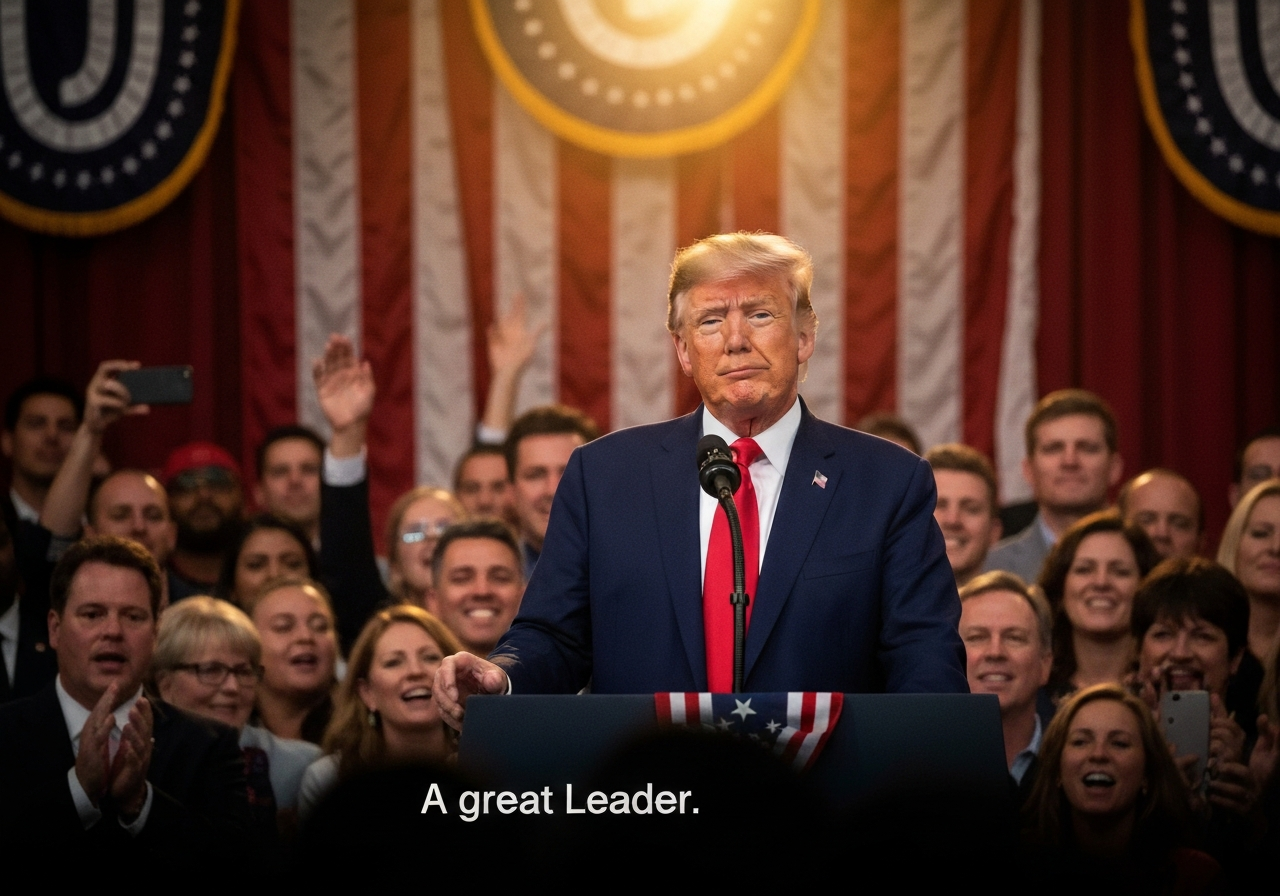
White House remarks framed the operation as decisive and necessary. Context: remarks were made at a public event and followed briefings with defense leaders and CENTCOM updates.
“The United States military…continues to totally demolish the enemy far ahead of schedule.”
President Donald Trump (public remarks)
The U.S. military commander in the region emphasized civilian protection and partner cooperation while condemning attacks on noncombatants.
“We will continue working with regional partners to address this threat to innocent people across the region.”
Adm. Brad Cooper, CENTCOM (public statement)
A UAE minister and the UAE Defense Ministry provided detailed interception totals and casualty counts to explain their domestic response and to underline resilience in the face of sustained attacks.
“We have demonstrated who we are and what we stand for. Our nation has been resolute and resilient.”
Al Otaiba, UAE Ambassador to the U.S. (statement)
Unconfirmed
- Reports that Ayatollah Ali Khamenei was killed in the initial strikes have been circulated in some outlets; independent, widely accepted confirmation remains limited and contestable.
- Public tallies of exactly how many Iranian ships were sunk or disabled differ between political statements and CENTCOM figures; precise verification for each vessel has not been released publicly.
- Reporting that Russia is providing targeting intelligence to Iran appeared in U.S. media; U.S. officials have discussed related concerns but full verification of the scope and operational details remains limited in public disclosures.
Bottom line
Operation Epic Fury has demonstrated high U.S. strike capacity and a willingness to integrate air, naval and precision munition assets with allied operations. Public figures show substantial damage claims and large evacuation efforts, but discrepancies between political statements and military accounting underscore the need to treat some tallies cautiously. The campaign reduces some immediate Iranian strike capabilities but also amplifies risks of escalation, logistical strain, and regional economic disruption—especially to energy transit through the Strait of Hormuz.
Looking forward, outcomes will hinge on whether the campaign is sustained, how partners manage escalation risk, and the extent to which political channels can be kept open to prevent further civilian harm. Independent verification of key claims and transparent multinational mechanisms for securing sensitive materials would reduce long‑term proliferation risks and help shape post‑conflict stabilization options.