
Lead
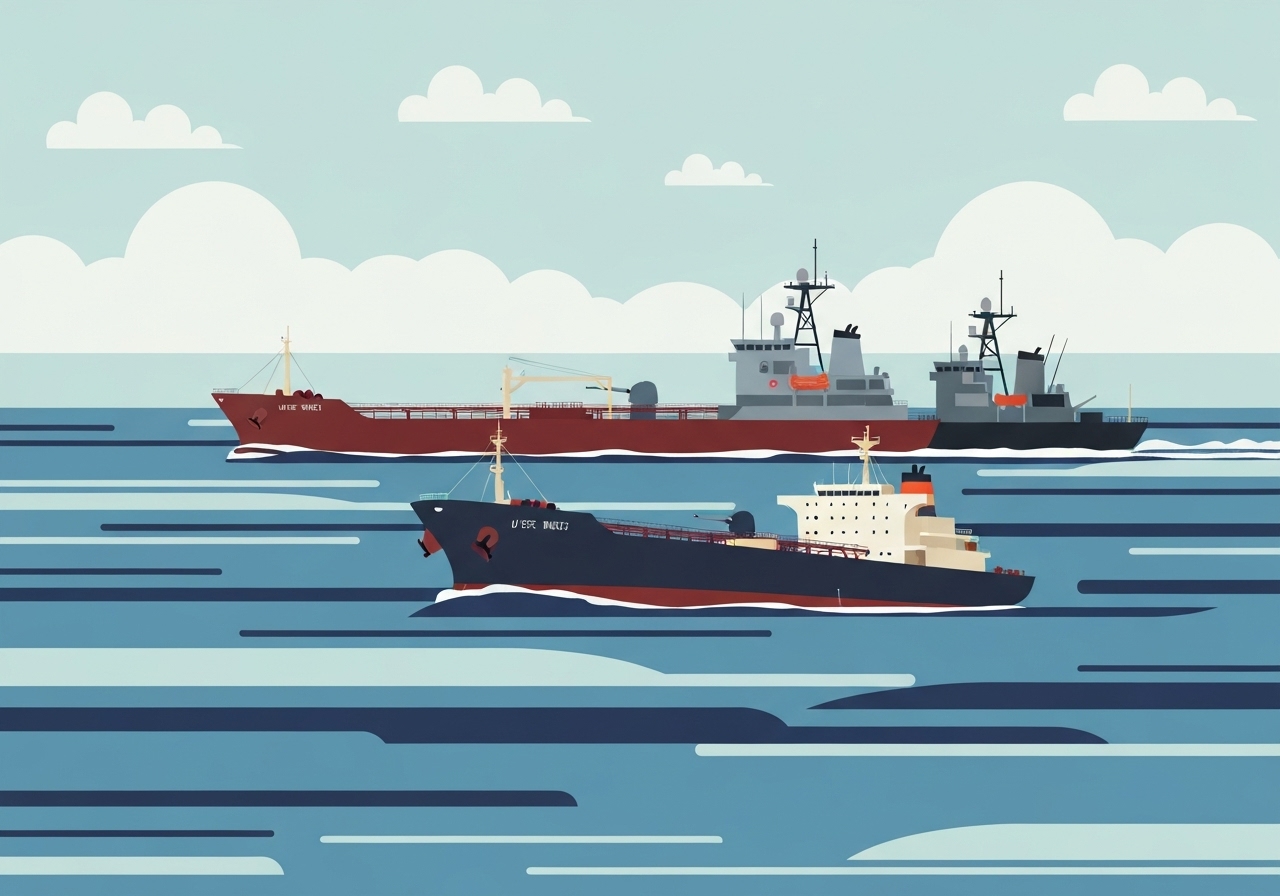
U.S. forces apprehended a second merchant tanker carrying Venezuelan crude on Saturday in international waters east of Barbados, the Department of Homeland Security said. The interception, part of an expanded U.S. blockade announced this month, came after an earlier seizure on 10 December and targeted a Panama-flagged vessel believed to be the Centuries. U.S. officials said the action aimed to disrupt illicit oil shipments that they say finance regional narcotics and terrorist networks. Venezuela denounced the move as theft and an act of piracy, escalating diplomatic tensions in the Caribbean.
Key Takeaways
- The tanker believed to be the Panama-flagged Centuries was stopped in the Caribbean Sea east of Barbados on Saturday in a pre-dawn action, U.S. officials said.
- The Centuries reportedly carried about 1.8 million barrels of Venezuelan Merey crude bound for China, according to PDVSA-related documents reviewed by investigators.
- This is the second seizure this month; the first tanker was taken on 10 December and was listed on U.S. sanctions.
- TankerTrackers data indicate more than 70 vessels form a so-called “shadow fleet” around Venezuela, with roughly 38 under U.S. sanctions and at least 15 reported as currently loaded.
- The White House has ordered a “total and complete” blockade on sanctioned tankers to and from Venezuela; U.S. officials say the measure can apply broadly to vessels carrying Venezuelan oil.
- China remains a major buyer of Venezuelan crude, with December shipments estimated to average over 600,000 barrels per day.
- The broader U.S. campaign against trafficking at sea has included strikes in the eastern Pacific that the U.S. military says killed four people this week, bringing its campaign toll to 99 since September.
Background
Since 2019 the United States has imposed energy sanctions on Venezuela, aiming to limit revenue to the Maduro government and related networks. Those measures prompted traders and refiners to rely on a “shadow fleet” of tankers that obscure ownership and position to move Venezuelan crude. Over recent months the Biden and then Trump administrations have signaled tougher enforcement, culminating in a December order for a complete blockade on sanctioned oil tankers entering and leaving Venezuelan waters.
Venezuela’s government, led by President Nicolás Maduro, has sought to protect shipments by ordering naval escorts and condemning foreign interdictions as illegal. The country sells crude through intermediaries—some state-linked, some private—including transactions routed to independent Chinese refiners. The mix of sanctioned and non-sanctioned vessels complicates enforcement: while some ships are explicitly listed by the U.S. Treasury, others operate with altered names or flags, increasing the risk of misidentification and diplomatic fallout.
Main Event
U.S. Homeland Security Secretary Kristi Noem said the Coast Guard and Defense Department stopped the tanker early Saturday in a coordinated pre-dawn operation. U.S. statements described the action as part of efforts to “pursue the illicit movement of sanctioned oil,” and to deny revenues used to support narcotics-related violence. The maritime risk firm Vanguard and other trackers identified the intercepted ship as the Panama-flagged Centuries, which had reportedly departed Venezuelan waters after a brief navy escort.
Internal documents tied to PDVSA and commercial purchase records indicate the Centuries was carrying roughly 1.8 million barrels of Merey crude contracted by intermediaries selling to Chinese buyers. Satellite-tracking groups and company sources reported the vessel left under the alias “Crag,” reflecting a pattern of false names used by elements of the shadow fleet. Reuters and maritime monitors flagged the Centuries as part of long-running networks that move Venezuelan oil via complex broker arrangements.
The U.S. said the Centuries was intercepted in international waters east of Barbados in the Caribbean Sea, not in Venezuelan territorial waters. Venezuelan authorities immediately denounced the seizure, calling it theft and an act of piracy, and vowed to protect future shipments. The confrontation follows recent public statements by former President Donald Trump, who has not ruled out open conflict with Maduro’s government and ordered expanded measures this month to halt sanctioned tanker traffic.
Analysis & Implications
Operationally, the interception signals a clear escalation in U.S. maritime enforcement around Venezuela. Moving beyond seizures of vessels explicitly listed under sanctions to interdict ships that may not appear on sanction lists broadens U.S. legal and operational exposure and raises questions about criteria used to identify illicit cargo. That shift increases the risk of confrontation with vessels, flag states and third-party buyers—most notably China, which accounts for a notable share of Venezuelan crude purchases.
Politically, the action tightens pressure on Caracas ahead of a volatile regional period and tests international norms about interdiction on the high seas. Venezuela frames the interdictions as illegitimate and a pretext for regime change, which could strengthen Maduro’s domestic narrative and complicate diplomatic options. Mexico’s President Claudia Sheinbaum urged the United Nations to step in to prevent bloodshed, underlining regional concern about escalation.
Economically, the seizure could further compress Venezuelan exports, which analysts say have already fallen sharply since the first December seizure. While the global oil market is currently well supplied, prolonged disruption of up to nearly 1 million barrels per day—if sustained—would tighten global balances and likely push prices higher. Shipping firms face increased risk from punitive measures, with the shadow fleet particularly exposed to secondary sanctions and operational disruption.
Comparison & Data
| Metric | Reported Value |
|---|---|
| Centuries cargo | ~1.8 million barrels (Merey crude) |
| Shadow-fleet vessels near Venezuela | >70 total; ~38 under U.S. sanctions |
| Sanctioned, loaded vessels | At least 15 reported loaded |
| China December import pace | >600,000 barrels per day (Venezuelan crude) |
The table summarizes monitoring groups’ current assessments and trade estimates. Analysts caution that shadow-fleet counts fluctuate rapidly as vessels change names, flags and AIS positioning. The Centuries figure is drawn from PDVSA-related sales documents and maritime trackers; independent verification of cargo manifests may be limited by the evasive tactics employed by intermediaries and some buyers.
Reactions & Quotes
U.S. officials framed the interception as law enforcement and financial denial. Their statements emphasized stopping funds that allegedly support narcotics networks and regional violence.
“The United States will continue to pursue the illicit movement of sanctioned oil that is used to fund narco-terrorism in the region. We will find you, and we will stop you.”
Kristi Noem, U.S. Secretary of Homeland Security
Venezuela called the seizure an illegal act and accused the U.S. of theft, signaling diplomatic escalation and potential retaliatory steps.
“This is blatant theft and an act of international piracy.”
Venezuelan government statement
Observers and former investigators warned the action marks a policy intensification and could broaden the scope of interdictions.
“The seizure marks a further increase in pressure on Venezuela and complicates the legal lines around a blockade of sanctioned tankers.”
Jeremy Paner, former U.S. sanctions investigator (quoted to Reuters)
Unconfirmed
- Whether the Centuries was formally listed on the U.S. sanctions registry at the time of interception remains disputed across publicly available reports.
- The exact ownership chain and the full buyer identity for the 1.8 million barrels have not been independently verified beyond PDVSA-related internal documents cited by trackers.
- The legal rationale the U.S. applied to justify interception of a vessel not clearly on a sanctions list has not been published in full by U.S. authorities.
Bottom Line
The Centuries intercept marks a substantive escalation in U.S. maritime operations aimed at choking revenues tied to the Maduro government. Practically, it widens the reach of enforcement beyond vessels explicitly named in sanctions, increasing operational risk and diplomatic friction with flag states and major buyers.
For markets and regional diplomacy, the action raises the prospect of reduced Venezuelan exports and potential price effects if the blockade persists. Policymakers and industry will be watching for clearer legal justification from the U.S., reactions from China and other trading partners, and how Venezuela responds to protect its remaining shipments.
Sources
- The Guardian (media report)
- TankerTrackers (maritime monitoring / analysis)
- Reuters (news agency reporting on intercepts and sanctions context)
- NBC News (interview with former President Donald Trump referenced in coverage)
- U.S. Department of Homeland Security (official statements and social posts)