
Lead
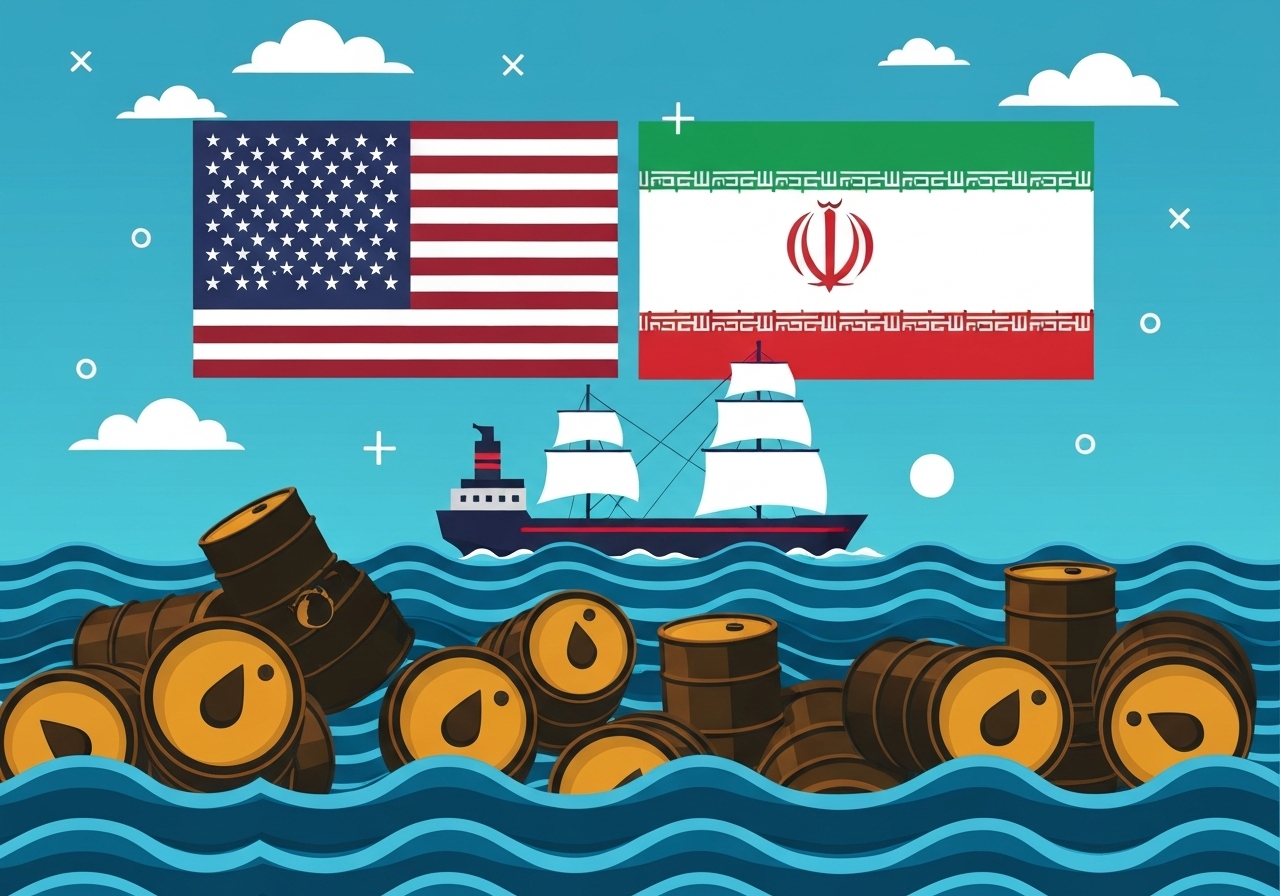
The US Treasury on 20 March issued a 30-day waiver allowing purchase of Iranian crude and petroleum products already loaded at sea, aiming to relieve short-term global energy shortages tied to the recent US‑Israeli conflict with Iran. Treasury Secretary Scott Bessent said the move will quickly return roughly 140 million barrels to world markets and that the authorization covers cargoes loaded between 20 March and 19 April. Officials framed the action as temporary and constrained to oil already in transit, while critics warned the policy could indirectly benefit Iran’s military funding. The waiver is the third short-term sanctions adjustment from Washington in about two weeks.
Key takeaways
- The Treasury issued a 30‑day sanctions waiver on 20 March permitting sale of Iranian oil loaded between 20 March and 19 April; the change was posted on the Treasury website.
- Treasury Secretary Scott Bessent said unlocking these cargoes would bring about 140 million barrels of oil to global markets to ease supply pressures.
- This is the third temporary US sanctions easing in roughly two weeks and follows a separate relaxation on Russian oil exports.
- The authorization is limited to cargoes already at sea and, officials say, does not permit new purchases or increased Iranian production.
- Critics including compliance experts warned the measure could free revenue that might be redirected by Tehran; the Treasury said Iran will face barriers to accessing proceeds.
- Bessent described the step as a price‑stabilizing measure tied to ongoing operations referenced by US officials as “Operation Epic Fury.”
- Analysts say the move may relieve short‑term price spikes but adds complexity to sanctions enforcement and financial controls.
Background
The waiver comes as energy markets have been volatile since the start of the US‑Israeli campaign against Iran, which disrupted regional flows and prompted supply‑security responses from major consuming countries. Washington has already provided two temporary carve‑outs in the preceding fortnight: one easing restrictions on certain Russian oil flows and another narrow authorization addressing constrained supplies. Sanctions have been a central US tool to limit Tehran’s oil revenue and strategic options since the 2010s; previous windows for humanitarian or logistical exceptions were tightly circumscribed to prevent revenue diversion.
Key stakeholders include the US Treasury (which issues licenses), energy traders and shipping firms managing laden tankers, consuming nations seeking immediate relief, and compliance firms monitoring illicit finance risks. Tehran retains existing sanctions designations and banking restrictions that the Treasury says will continue to limit Iran’s ability to repatriate and use proceeds. The balance Washington seeks—stabilizing global fuel markets while sustaining pressure on Iran—reflects competing economic and security priorities in the region.
Main event
On 20 March the Treasury published a general license authorizing the sale of Iranian crude oil and petroleum products that were already loaded onto vessels between 20 March and 19 April. Secretary Scott Bessent announced the measure on X, saying the temporarily available oil would bring an estimated 140 million barrels into global circulation and help blunt short‑term supply shocks. The proclamation followed public remarks Bessent made in a Fox Business interview suggesting a possible relaxation, which preceded the formal license posting.
According to Treasury officials, the waiver is narrowly drawn: it does not permit fresh purchases of Iranian production nor does it authorize Iran to load new cargoes for export under the waiver period. The department said existing restrictions on Iran’s access to the international financial system remain in place, and that monitoring and compliance mechanisms will apply to transactions under the license. The action was described internally as intended to be temporary and reversible if market conditions change.
The announcement drew immediate political and market reactions. Energy desks reported short‑term downward pressure on benchmark crude prices, while some compliance specialists and foreign policy analysts argued the measure risked loosening the economic straitjacket that sanctions aimed to impose on Tehran. The waiver marks the third short‑term policy adjustment from Washington in roughly two weeks, underscoring how sanctions policy has become more flexible in response to acute market stress.
Analysis & implications
The administration’s stated priority is rapid market relief: releasing roughly 140 million barrels already in transit can dampen immediate price spikes by expanding available crude volumes. In conventional market terms, adding tens of millions of barrels to active supply can alter traders’ short‑term expectations and lower volatility in refined product markets that affect consumers. For countries facing fuel shortages or heating needs, faster availability of cargoed crude can ease logistical bottlenecks and reduce emergency purchases at elevated prices.
Strategically, the waiver illustrates a tension between sanctions as a tool of coercion and the practicalities of global energy security. By authorizing sales of existing cargoes, Washington seeks to avoid signaling a long‑term relaxation of its maximum pressure policy while still responding to acute market stress. However, enforcement challenge remain: ensuring proceeds are not routed to sanctioned networks requires close banking and shipping controls that can be resource‑intensive and politically sensitive for partner states.
Politically, critics argue the move could indirectly benefit Tehran if revenues are accessed despite restrictions. Treasury officials contend that sanctions architecture and financial controls will limit Iran’s ability to use funds, but the precise mechanics of enforcement—how funds are tracked, where payments are settled, and which intermediaries participate—will determine real outcomes. The episode could prompt allies to seek clearer protocols for such limited waivers to reconcile market stability with long‑term pressure goals.
Comparison & data
| Item | Detail |
|---|---|
| Waiver duration | 30 days (cargoes loaded 20 March–19 April) |
| Estimated additional barrels | ~140 million barrels (Treasury estimate) |
| Recent related steps | Two other temporary sanctions easings in ~two weeks; prior easing on Russian oil |
The table summarizes the core numerical and temporal elements of the waiver. The 140 million‑barrel figure represents Treasury’s estimate of oil that can be quickly freed to markets under the narrow license window; its real‑time effect on prices will depend on how many cargoes move to buyers and how rapidly payments are processed under compliance constraints.
Reactions & quotes
Officials and critics framed the waiver through contrasting lenses: one of emergency market management, the other of enforcement risk. Below are two prominent quoted reactions with brief context.
“By temporarily unlocking this existing supply for the world, the United States will quickly bring approximately 140 million barrels of oil to global markets, expanding the amount of worldwide energy and helping to relieve the temporary pressures on supply caused by Iran.”
Scott Bessent, US Treasury Secretary
Context: Bessent presented the waiver as a short‑term market stabilizer and reiterated that the authorization is limited to oil already in transit and does not permit new purchases or production.
“To put it mildly, this is bananas. Essentially, we’re allowing Iran to sell oil, which could then be used to fund the war effort.”
David Tannenbaum, Blackstone Compliance Services (quoted to BBC)
Context: Compliance experts have warned that even constrained sales can create channels for revenue if enforcement gaps open; their concern centers on how proceeds are routed and whether existing financial controls are sufficient.
Unconfirmed
- Whether Iran will be able to meaningfully access any revenue from the permitted sales remains unclear and will depend on banking and settlement logistics.
- The precise market impact of freeing up to 140 million barrels is unconfirmed and will vary with how many cargoes actually reach buyers and how rapidly payments clear.
- Any direct link between proceeds from these shipments and Iran’s military expenditures is not established and remains speculative without transaction‑level evidence.
Bottom line
The 30‑day waiver is a targeted, tactical response aimed at easing immediate energy market strains by letting already‑laden Iranian cargoes be sold under strict conditions. Treasury officials emphasize the temporary and limited nature of the authorization and assert that sanctions architecture will continue to restrict Iran’s broader access to financial systems.
Nonetheless, the step raises enforcement and political trade‑offs: it may ease short‑term price pressure while increasing the burden on compliance regimes tasked with ensuring proceeds do not undermine sanctions objectives. Observers should watch transaction settlement paths, partner state cooperation, and subsequent Treasury guidance to judge whether the measure achieves market relief without eroding long‑term pressure on Tehran.
Sources
- The Guardian — (news media report)
- US Department of the Treasury — (official; license posted on agency website)
- BBC — (news media; cited for compliance expert reaction)
- Fox Business — (news media; cited for interview reference)