
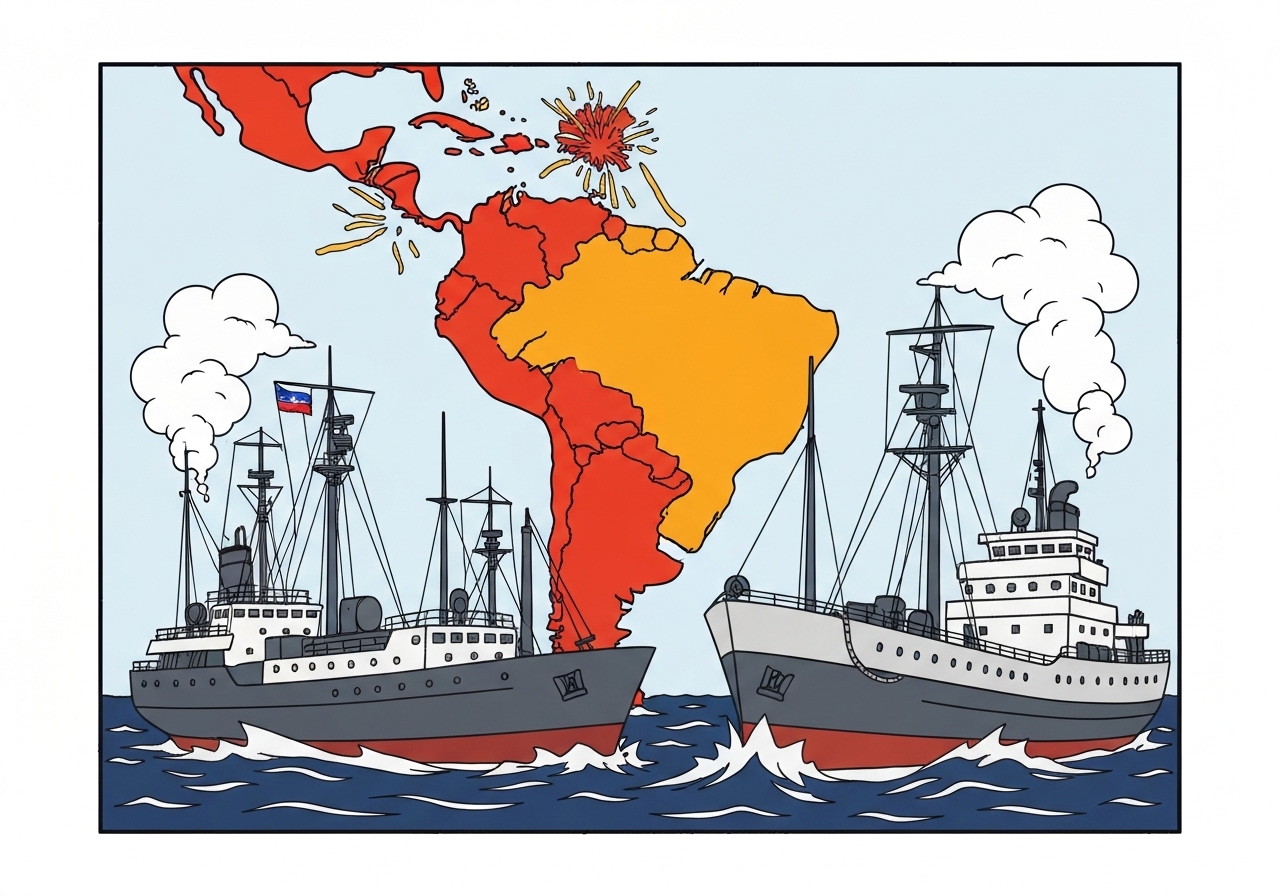
Lead: On 3 September 2025 in Mexico City, US Secretary of State Marco Rubio said the United States will continue using military force against vessels said to belong to Venezuelan drug cartels, defending a recent Caribbean strike that the White House said killed 11 suspected traffickers.
Key takeaways
- Marco Rubio spoke in Mexico City on 3 September 2025, during his first visit to Mexico since taking office.
- The administration described a recent Caribbean operation as a “kinetic strike” on a drug-carrying boat; the president said 11 traffickers were killed.
- Rubio argued existing interdiction efforts in Latin America have failed and endorsed more forceful action.
- Rubio said the military will continue targeting vessels allegedly linked to Venezuelan cartels and warned further strikes are possible.
- The policy raises legal, diplomatic and regional security questions, including about actions in international waters.
Verified facts
Secretary of State Marco Rubio publicly supported a US naval operation in the Caribbean that the White House described as a strike on a “drug-carrying boat.” The president and administration officials said the attack killed 11 people identified as drug traffickers.
Rubio made his remarks on 3 September 2025 in Mexico City and told reporters the US military would persist in targeting vessels tied to alleged Venezuelan cartels. He said previous interdiction methods in the region had not worked and used blunt language to describe the need to destroy such boats.
The administration characterized the recent operation as taking place in international waters and said the vessel was reportedly heading toward the United States. Officials described the effort as part of a wider push against groups they call “narco-terrorist organisations.”
Context & impact
The announcement marks an escalation in the administration’s public posture toward maritime drug trafficking tied to Venezuela. Using military force against civilian vessels can strain relations with regional partners and invite legal scrutiny under international law.
Diplomatically, Rubio’s remarks in Mexico City are notable because they come during engagement with Mexican officials; such comments may complicate cooperation on border security, interdiction, and intelligence sharing.
Domestically, the administration frames these strikes as part of a broader campaign to prevent narcotics from reaching US shores. Critics warn that kinetic actions carry risks of civilian harm, misidentification, and retaliatory escalation.
Potential consequences
- Heightened tensions with Venezuela and other regional governments if their vessels or nationals are targeted.
- Legal challenges over jurisdiction, use of force in international waters, and due process for those killed or captured.
- Impacts on bilateral cooperation with Mexico depending on how Mexican officials assess the strikes.
Official statements
“What will stop them is when you blow them up, when you get rid of them.”
Marco Rubio, US secretary of state
“A kinetic strike” on a “drug-carrying boat,” the White House said, and the president said 11 drug traffickers were killed.
White House statement / President’s remarks
Unconfirmed
- The full provenance and ownership of the struck vessel and formal evidence linking it to Venezuelan cartels have not been independently released.
- Independent confirmation of the number and identities of those killed has not been publicly provided beyond administration statements.
- Claims that interdiction in Latin America has broadly “failed” represent an assessment by administration officials and are subject to debate among regional policymakers and law enforcement.
Bottom line
The administration has signaled a readiness to use military force at sea against vessels it says are involved in drug trafficking, a policy shift with legal and diplomatic implications. Expect further statements from US officials, questions from regional governments, and scrutiny from legal experts as more details emerge.