
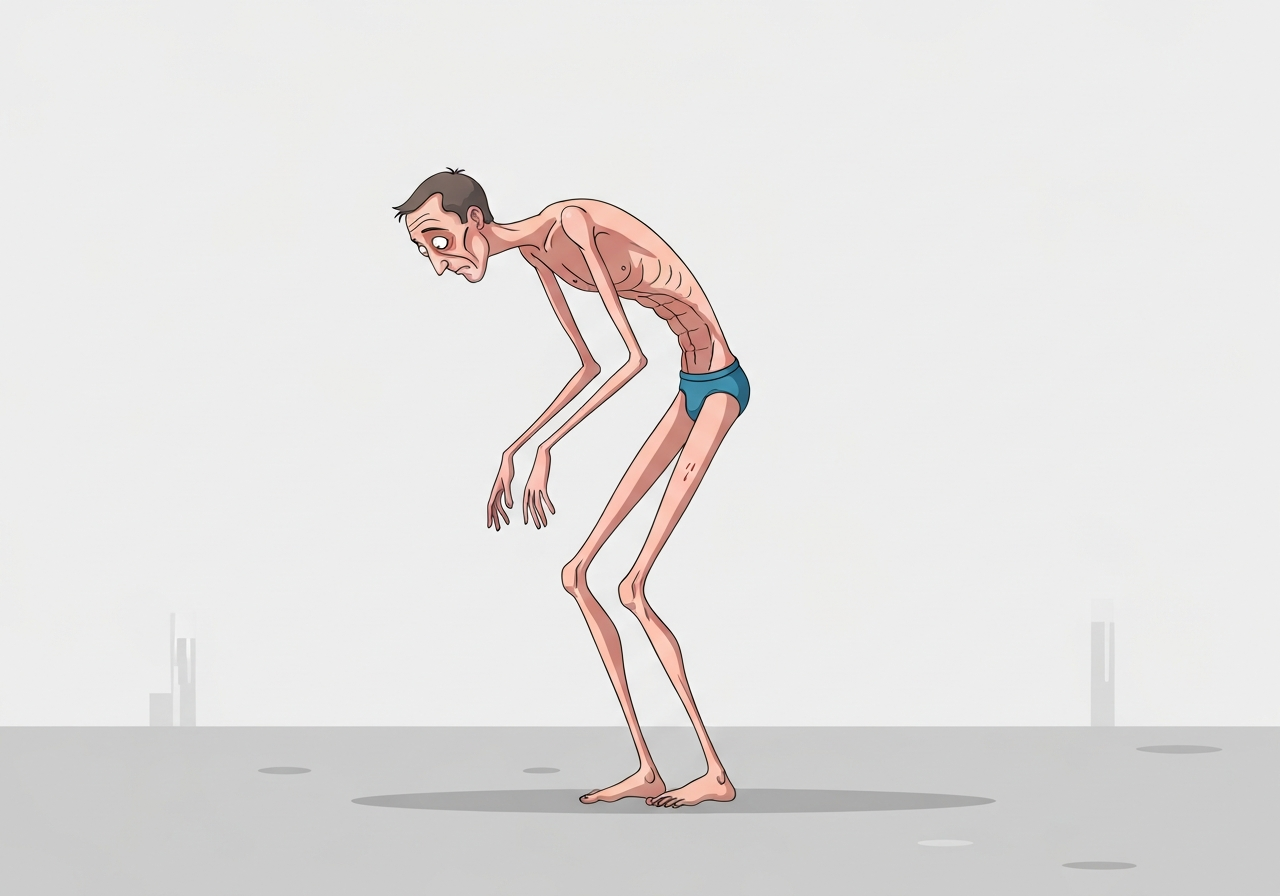
In February 2026, topline results from a clinical trial of retatrutide — an investigational weight‑loss compound developed by Eli Lilly — prompted an unexpected worry: some participants lost so much weight that they withdrew from the study. The trial enrolled 445 people with obesity and knee osteoarthritis and reported an average 28.7 percent weight reduction at 68 weeks on the highest dose. Between 12 and 18 percent of participants left the study citing side effects; company notes and investigators said at least some participants were alarmed by the pace or magnitude of weight loss. The finding has renewed debate about how to balance powerful drug efficacy with patient safety, satisfaction and long‑term outcomes.
Key takeaways
- Retatrutide topline data: participants on the highest dose lost an average 28.7% of body weight after 68 weeks in the reported trial.
- Study size and population: the trial reported by Eli Lilly included 445 people with obesity and knee osteoarthritis.
- Dropout rate: 12–18% of participants discontinued because of side effects, a higher share than noted in many prior obesity‑drug trials.
- Comparative benchmark: currently available GLP‑1–based therapies have produced roughly 20% average weight loss over similar timeframes in recent trials.
- Company positioning: Eli Lilly says retatrutide would target patients who need greater weight reduction than current medicines provide.
- Clinical questions remain: investigators and outside experts flagged concerns about psychological effects, nutritional adequacy and long‑term safety after dramatic weight loss.
Background
Pharmaceutical research over the past decade has focused intensely on incretin‑based medicines — drugs that mimic gut hormones to lower appetite and body weight. GLP‑1 receptor agonists such as semaglutide and tirzepatide have shifted expectations about how much weight medication can produce, moving the conversation from modest reductions to double‑digit percentage losses. That success set an industry incentive to develop ever more potent compounds, including multireceptor agonists like retatrutide that combine activity across several hormone pathways.
Clinical trials of weight‑loss drugs routinely measure efficacy (percent weight change), tolerability (side effects and discontinuations) and secondary outcomes such as metabolic markers and functional status. Regulators and clinicians have long weighed efficacy against safety — especially when treatments suppress appetite to a degree that may affect nutrition, mental health or eating behavior. For people with conditions such as knee osteoarthritis, larger weight loss can offer meaningful symptom relief, which is why that population was selected for the retatrutide study.
Main event
Eli Lilly disclosed on Feb. 18, 2026, topline results from a phase of its retatrutide program showing an average 28.7 percent weight reduction at 68 weeks on the highest dose among trial participants with obesity and knee osteoarthritis. The announcement emphasized the magnitude of weight loss compared with outcomes commonly reported for currently marketed drugs. The company also reported that between 12 and 18 percent of participants stopped participating because of side effects, a higher discontinuation rate than company researchers expected.
Company medical leadership said the program is intended to offer an option for patients who require greater weight loss than other medicines deliver, not to impose one level of efficacy on every patient. Dr. David Hyman, Eli Lilly’s chief medical officer, stressed that dosing and patient selection will be tailored. At the same time, some investigators and clinicians raised concerns after learning that at least a subset of dropouts stopped because they felt they were losing too much weight.
Investigators described a mix of physiologic side effects commonly seen with incretin therapies — such as nausea and gastrointestinal upset — alongside reports of patients unhappy with rapid changes in body size or struggling with reduced food intake. Trial leaders cautioned that full, peer‑reviewed data have not yet been published, limiting detailed assessment of safety signals, subgroup responses and the precise reasons for discontinuation.
Analysis & implications
The retatrutide results underscore a tension that has emerged as drug potency rises: higher average efficacy can benefit many patients but may create new safety and quality‑of‑life tradeoffs. For some people with severe obesity and related disability, a near‑30% average weight loss could substantially improve mobility, pain, diabetes risk and cardiovascular markers. For others — particularly those with a history of disordered eating, body‑image vulnerability, or certain comorbidities — rapid and large weight loss may pose psychological or nutritional concerns.
Clinically, the data raise practical questions about patient selection, shared decision‑making and monitoring. Physicians will need clear guidance on who is appropriate for the most potent regimens, how to titrate doses, and what criteria should prompt dose reduction or discontinuation. Payers and guidelines committees will also face choices about coverage eligibility, given that broader access could expose more people to both benefits and harms.
Regulatory review will hinge on a complete dataset. Regulators typically evaluate not only average efficacy but also harms, discontinuation causes and subgroup outcomes. If a substantial minority of participants leave because they perceive excessive weight loss or experience adverse psychosocial effects, regulators may request additional trials, post‑marketing restrictions, labeling changes or risk‑mitigation strategies.
Comparison & data
| Measure | Retatrutide (highest dose) | Currently available GLP‑1s (benchmark) |
|---|---|---|
| Average weight loss (68 weeks) | 28.7% | ~20% |
| Trial population | 445 participants with obesity and knee osteoarthritis | Varies by trial (obesity populations) |
| Reported discontinuations for side effects | 12–18% | Lower than retatrutide trials (noted as typical) |
The table summarizes topline comparisons reported by the sponsor and public summaries of recent GLP‑1 trials. Exact cross‑trial comparisons are imperfect because design, population and dosing differ; full peer‑reviewed data will be needed to interpret subgroup responses, adverse events over time, and functional or metabolic benefits beyond percent weight change.
Reactions & quotes
“We’re not trying to force a specific magnitude of weight loss in every patient.”
Dr. David Hyman, Chief Medical Officer, Eli Lilly
“We’re not of the belief that the most potent weight loss medicine is required for everybody, or that that’s even the goal.”
Dr. David Hyman, Chief Medical Officer, Eli Lilly
Outside clinicians said the discontinuations underscore the need for careful counseling on expectations, dose management and mental‑health screening before prescribing high‑potency regimens.
Independent obesity clinicians (summary of expert commentary)
Unconfirmed
- The precise breakdown of why each participant discontinued (e.g., physiologic side effect vs. subjective concern about size) is not publicly available from the topline report.
- Long‑term health consequences of sustained, large‑magnitude weight loss from these drugs (beyond standard metabolic benefits) are not yet established.
- Whether the observed discontinuation pattern will generalize to broader, more diverse populations or different clinical settings remains unclear until full data and registries are available.
Bottom line
The retatrutide topline disclosure illustrates that as obesity pharmacology becomes more effective, clinical care must evolve in parallel. Potent weight‑loss effects can bring meaningful health improvements for many patients but also introduce new questions about appropriateness, monitoring and the psychosocial impact of rapid body change.
Before prescribers and regulators decide how to use a more powerful agent, they will need complete trial data, clearer reasons for discontinuation, and guidance on patient selection and dose management. For patients, shared decision‑making — weighing potential gains in mobility and metabolic health against possible side effects and personal comfort with body change — will be essential.