
Lead
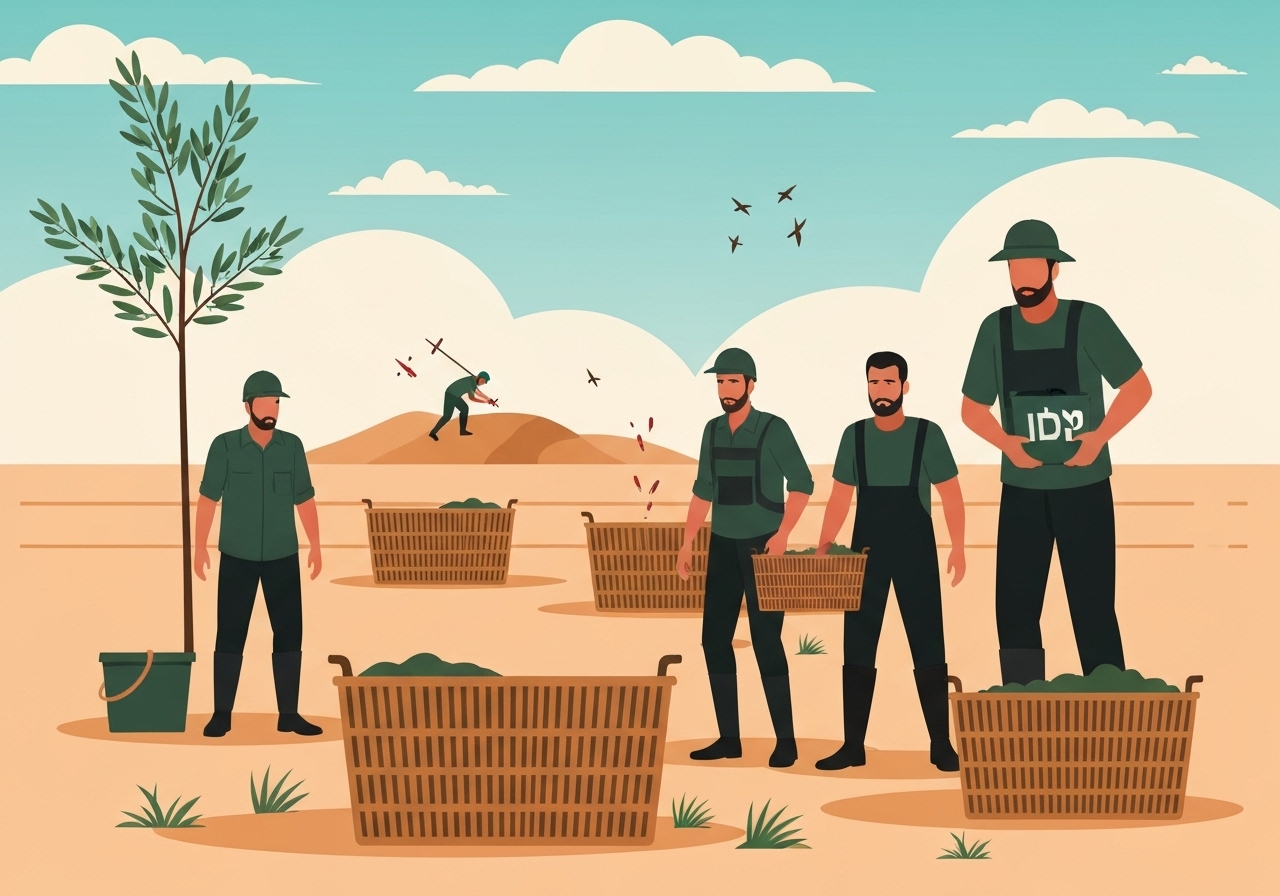
On Saturday, 8 November 2025, Israeli settlers attacked Palestinian olive harvesters in the West Bank villages of Beita and Burin, near Nablus, injuring at least 11 people. Among the wounded were an Israel Defense Forces (IDF) reservist and the principal of a local art school. The incidents took place amid a broader surge in settler-related violence, with authorities and monitors saying last month saw the highest monthly number of settler attacks in two decades. Local reporting indicates the victims were working in groves when they were assaulted.
Key Takeaways
- At least 11 people were reported injured on 8 November 2025 in attacks on olive harvesters in Beita and Burin, near Nablus.
- Victims included an IDF reservist and the principal of an art school; both were among those treated after the incidents.
- The attacks occurred during the olive harvest season, a period historically vulnerable to clashes in the West Bank.
- Last month recorded the highest number of settler attacks in 20 years, according to media reporting and monitoring groups cited in coverage.
- The incidents add to a broader pattern of violence between settlers and Palestinian villagers in the northern West Bank.
- Details on weapons used, the number of assailants and precise medical conditions of all injured remain incomplete in initial reports.
Background
Olive harvesting is an annual, community-centered activity across the West Bank; it is also a flashpoint for confrontations between Palestinian harvesters and nearby Israeli settlements. Tensions often rise in harvest months as farmers move into fields and groves that sit close to or between settlement outposts. Historically, clashes range from verbal intimidation and stone-throwing to more serious physical attacks and property damage.
Observers and monitoring organizations have documented an increase in settler-related incidents over recent months, culminating in a report that last month saw the highest monthly total of such attacks in two decades. These trends have heightened fears among Palestinian communities about access to farmland, livelihoods tied to olive production, and the ability of local authorities to prevent escalation. The governance context—fragmented security responsibilities and contested access—complicates timely protection and accountability.
Main Event
According to local reporting, attackers targeted harvesters in separate incidents in Beita and Burin on Saturday. The assaults occurred while groups were picking olives in groves near the villages; witnesses told reporters the victims were taken by surprise. Initial accounts identify at least 11 injured people taken for treatment, though precise injury classifications were not available in early coverage.
Among the wounded was an IDF reservist, identified in coverage as one of those present during the harvesting, and the principal of an art school who had joined local pickers. Sources reported that emergency responders and community volunteers assisted the wounded at the scenes; information on hospital admissions or long-term injuries was not detailed in the first reports.
The incidents in Beita and Burin follow a recognizable pattern: harvesters working in contested areas coming under assault by individuals associated with nearby settlements or outposts. Local leaders and villagers described the events as targeted attacks on people engaged in routine agricultural work, intensifying preexisting anxieties ahead of the peak harvest period.
Analysis & Implications
The immediate human cost—dozens affected across multiple incidents—carries economic implications because olive yields form a significant part of household income in many West Bank communities. Damage to harvests, restricted movement, and the fear of recurrent attacks can depress yields and market access in the months ahead. For communities already facing economic pressure, lost harvests translate directly into reduced income and food-security risks.
Politically, the episodes deepen mistrust between Palestinian villagers and nearby Israeli settlers and authorities. They also put pressure on Israeli civil and military authorities to respond: the presence of an IDF reservist among the injured underscores the complexity of security arrangements and the blurred lines between civilian and military actors on the ground. How Israeli authorities investigate and prosecute these incidents will affect perceptions of accountability.
Internationally, a sustained rise in settler violence tends to draw condemnation from rights organizations and heighten scrutiny of occupation-era dynamics. If the reported spike continues, it could influence diplomatic discourse and humanitarian programming, especially around protection for farmers during seasonal work. Economically, repeated disruptions to the olive harvest could have ripple effects on export volumes and local markets that rely on olive oil and related products.
Comparison & Data
| Metric | Recent Report |
|---|---|
| Injuries in this incident | At least 11 people |
| Location | Beita and Burin, near Nablus |
| Trend | Last month recorded highest monthly number of settler attacks in 20 years (reported) |
The table places the immediate toll of this weekend’s attacks alongside the broader trend described in reporting: a marked monthly increase in settler-related incidents. Data reported in press coverage indicate a sharp rise but initial articles do not yet provide a consolidated, independently verified dataset for the entire period.
Reactions & Quotes
“At least 11 people were hurt in attacks on olive harvesters in the northern West Bank,”
Haaretz (reporting of local sources)
“The episodes come amid a worrying surge in settler violence over recent weeks,”
Haaretz (summarizing monitoring reports)
“Harvesters are increasingly exposed while carrying out routine agricultural work,”
Haaretz (local witnesses and community representatives)
Unconfirmed
- Exact number and identities of assailants remain unverified by independent investigators.
- Reports did not fully confirm whether firearms were used in both incidents or limited to non-lethal means.
- Comprehensive medical conditions and hospital admission details for all injured have not been publicly disclosed.
Bottom Line
This weekend’s attacks on olive harvesters in Beita and Burin, which left at least 11 people wounded including an IDF reservist and a school principal, highlight the acute risks harvesters face in contested areas of the West Bank. They also feed into a wider, reported rise in settler-related incidents that, if sustained, will further erode access to farmland and heighten local tensions.
Short-term priorities are clear: a transparent, prompt investigation; medical care and protection for harvesters; and measures to secure access to groves during harvest season. In the medium term, the trend underlines the need for clearer accountability mechanisms and protective arrangements that reduce the recurring cycle of violence around agricultural work.
Sources
- Haaretz (news media, original reporting)