
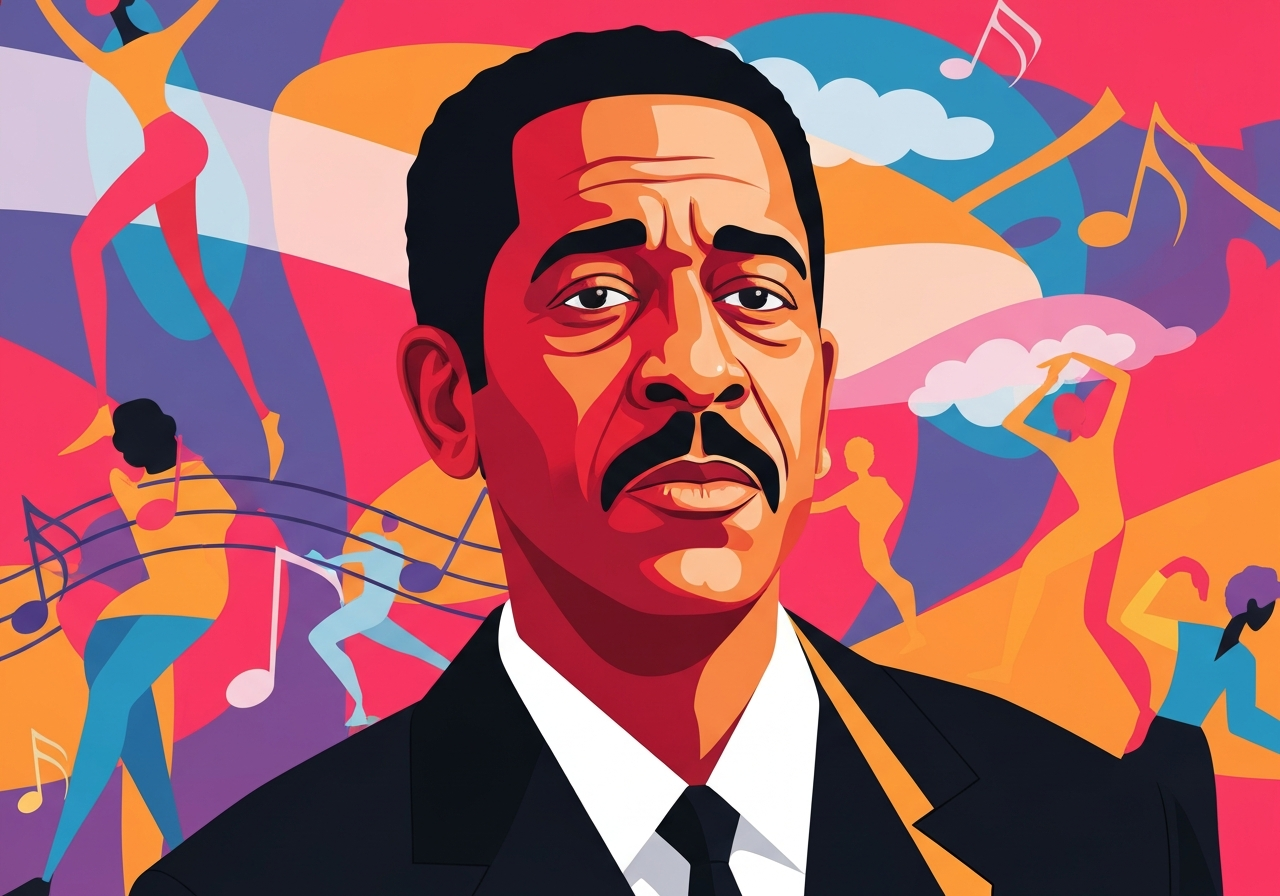
Willie Colón, the influential trombonist, singer, bandleader and producer whose career helped define New York salsa, died on Feb. 21, 2026. His family posted the news on Facebook but provided no additional details; he was 75. Colón rose from the South Bronx, mentored by his Puerto Rican grandmother, and burst into public view with his 1967 debut El Malo at age 17. His 1978 collaboration with Rubén Blades, Siembra, became one of the best-selling albums in salsa history and remains central to his legacy.
Key Takeaways
- Willie Colón died on Feb. 21, 2026; his family announced the death on Facebook and gave no further specifics.
- He was 75 and had a career spanning nearly six decades, beginning with his debut album El Malo in 1967 when he was 17.
- Colón was a multi-role musician—trombonist, singer, bandleader, composer and producer—central to the New York salsa movement of the 1960s–1980s.
- His 1978 album Siembra, co-created with Rubén Blades, is widely regarded as one of salsa’s top-selling and most influential records.
- Colón cultivated a public persona nicknamed “El Malo,” a stylized bad‑boy image he used on album covers and in promotions.
- He arrived musically at a moment when Latin dance forms were fusing with R&B, funk and jazz, helping salsa become a cross-cultural popular music.
- Public and industry reactions are beginning to emerge, with tributes expected from artists, cultural organizations and Puerto Rican and Latinx communities.
Background
Born and raised in the South Bronx and raised in a Puerto Rican household, Colón developed his musical skills early under the encouragement of his grandmother. By his early teens he was already playing professionally; that early start shaped a technical fluency on the trombone that would distinguish him across decades. The mid-1960s New York scene where he came of age was a crucible: traditional big‑band Latin sounds met American pop, R&B, funk and jazz, producing hybrid dance music that came to be called salsa.
Colón’s emergence coincided with a politically charged era—civil rights struggles, urban unrest and rising Latino identity politics—that made the new music both a social gathering point and a cultural statement. His recordings with vocalists such as Héctor Lavoe and later collaborations with Rubén Blades positioned him at the center of a movement that combined musical innovation with urban Puerto Rican and broader Latinx expression. Over time, his role expanded beyond performer to composer, arranger and producer, influencing how salsa was recorded and marketed.
Main Event
The family’s Feb. 21, 2026 announcement, posted on Facebook, confirmed Colón’s death; the post did not list a cause. News organizations quickly reported his passing and recalled key milestones: the 1967 El Malo debut, his partnership with Héctor Lavoe, and the landmark 1978 Siembra album with Rubén Blades. Colón’s persona—often pictured in dark clothes and a defiant expression—was a deliberate part of his image and marketing from early in his career.
El Malo, released when Colón was 17, introduced a sound built on tight brass arrangements and streetwise theatricality; it helped him secure a lasting place on New York’s Latin music circuit. The Colón–Lavoe collaborations in the late 1960s and 1970s produced hits and shaped a template for singer‑bandleader partnerships in salsa. By the time Colón and Blades released Siembra in 1978, both artists had established reputations; Siembra’s blend of socially aware lyrics and accessible arrangements made it a crossover success within Latin markets.
Throughout his career Colón moved fluidly between roles in the studio and onstage, producing records for other artists and experimenting with arrangements that emphasized trombone lines and rhythmic drive. He remained active in performance and occasional recording into the 21st century, appearing at concerts and festivals and maintaining a public presence that kept his earlier innovations in circulation. Tributes and memorials began to be organized by cultural institutions and fellow musicians within hours of the announcement.
Analysis & Implications
Colón’s passing marks the loss of a figure who helped professionalize and popularize salsa as a commercially viable and artistically diverse genre. Musically, his emphasis on bold brass arrangements and theatrical album presentation broadened salsa’s sonic palette and stagecraft, influencing generations of bandleaders and arrangers. His collaborations—most notably with Héctor Lavoe and Rubén Blades—created canonical recordings that continue to be reference points for musicians and scholars.
Beyond music, Colón’s career intersected with the social history of New York’s Puerto Rican and broader Latinx communities. The visibility of artists like Colón during the 1960s and 1970s contributed to a cultural infrastructure—venues, record labels, radio programs—through which Latinx artists could reach mass audiences. That infrastructure underpinned subsequent political and cultural organizing, and Colón’s work is often cited in studies of urban Latino identity.
Commercially, Siembra’s long‑running sales and continued airplay testify to the album’s durability; posthumous streaming and catalog sales typically rise after an artist’s death, so the industry can expect renewed interest in Colón’s recordings. Institutions that curate Latin music history—museums, university programs, radio archives—may accelerate retrospective projects, reissues and scholarly reassessments. Internationally, Colón’s influence on salsa has a footprint across Latin America and in diaspora communities, so memorials and tributes are likely to be transnational.
Comparison & Data
| Album | Year | Notability |
|---|---|---|
| El Malo | 1967 | Debut album; introduced Colón’s signature trombone and persona |
| Siembra (with Rubén Blades) | 1978 | One of the top‑selling salsa albums; culturally influential |
The table highlights two milestone records that bracket Colón’s ascent and peak influence. El Malo established his public image and technical style, while Siembra captured a moment when salsa reached broader commercial and critical attention. Exact sales figures for Siembra vary by source and market; researchers and reissue producers typically consult record‑label archives and contemporary sales reports when compiling definitive tallies.
Reactions & Quotes
Public and institutional reactions began to appear immediately, noting both Colón’s musical achievements and cultural significance. A range of artists, scholars and cultural organizations are expected to issue fuller statements and remembrances in the days following the announcement.
“It was rebellious music.”
Willie Colón, interview with The Miami Herald (2006)
“He was long promoted as ‘El Malo.'”
The New York Times (news report, Feb. 21, 2026)
Unconfirmed
- The cause of death has not been disclosed by the family and remains unconfirmed by medical or official sources.
- Details about funeral arrangements, memorials or public services have not been released and are pending verification.
- Precise, source‑verified global sales figures for Siembra beyond industry estimates have not been confirmed in the public record.
Bottom Line
Willie Colón’s death closes a chapter on one of salsa’s most formative figures: a musician who combined technical command, compositional skill and theatrical presentation to shape a genre and a cultural moment. His recordings—especially collaborative works such as Siembra—remain central to how scholars, musicians and listeners understand the development of salsa as both popular music and cultural expression.
In the near term, expect renewed attention to Colón’s catalog, a wave of tributes from artists and cultural institutions, and possible archival projects or reissues that revisit his arrangements and production work. For Puerto Rican and Latinx communities that trace part of their public identity to the rise of salsa in New York, the present moment is also a prompt for public memory and institutional recognition.
Sources
- The New York Times — news article reporting the death and career overview