
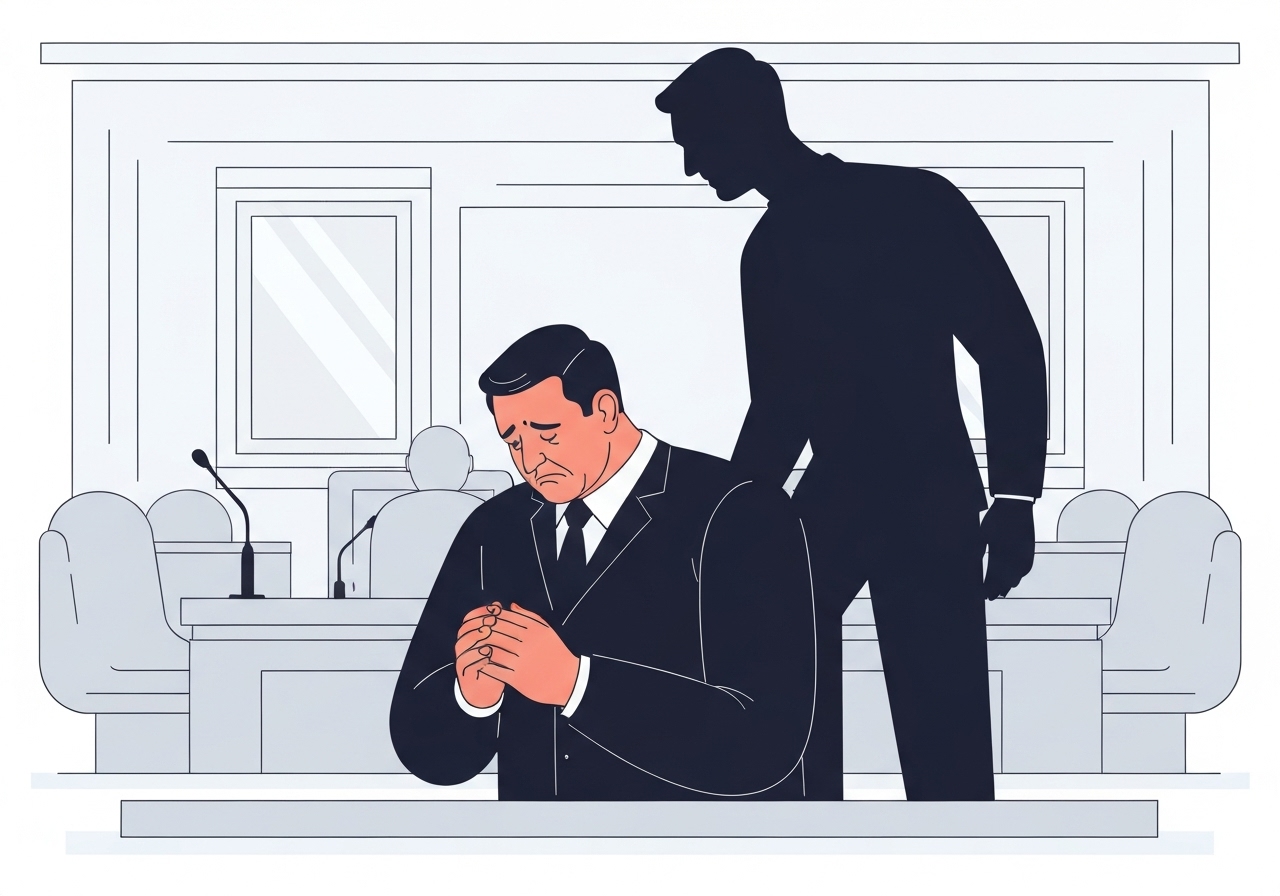
Lead: A Milwaukee County judge was convicted in April of obstructing federal immigration enforcement after directing a Mexican defendant away from a courtroom exit during an ICE arrest attempt. The incident involved Eduardo Flores-Ruiz, a Mexican national facing misdemeanor battery charges, who was removed by immigration agents and later deported. A jury found Judge Hannah Dugan guilty on the obstruction count but acquitted her on two related charges; she faces up to five years in prison. Sentencing has not yet been scheduled.
Key takeaways
- On 18 April, six federal agents from the FBI, ICE and the DEA attended a Milwaukee hearing to arrest Eduardo Flores-Ruiz on an immigration warrant.
- Judge Hannah Dugan directed Flores-Ruiz and his attorney to a private jury exit; immigration agents intercepted them in a hallway and subsequently deported Flores-Ruiz.
- A federal jury convicted Dugan on a single obstruction charge but acquitted her of obstructing a criminal proceeding and concealing a person from arrest.
- Dugan faces a maximum statutory penalty of up to five years for the obstruction conviction, according to US media reports; no sentencing date has been set.
- The case has been framed by some political actors as evidence of a politicised justice system amid the Trump administration’s intensified immigration enforcement.
- Dugan pleaded not guilty; her legal team says the failed counts underscore an opportunity to clear her name in appeal or post-conviction proceedings.
Background
The episode occurred at a time of heightened federal focus on immigration enforcement. Since President Trump returned to the White House, his administration has sought increased interior enforcement, including deploying ICE agents to multiple US cities. That environment has amplified scrutiny of interactions between state courthouses and federal immigration authorities.
Eduardo Flores-Ruiz had been before Milwaukee County court on misdemeanor battery charges when an immigration judge issued a warrant for his arrest. The presence of federal officers inside state courthouses has sparked disputes over procedure and the proper role of state judges when federal agents execute immigration warrants.
Main event
On 18 April, Flores-Ruiz appeared for a scheduled hearing. Six officers from the FBI, US Immigration and Customs Enforcement (ICE) and the Drug Enforcement Administration were at the courthouse to take him into custody on the immigration warrant. An FBI affidavit filed in the case says Judge Dugan grew “visibly angry” about the warrant type and told officers to report to the chief judge.
While officers were present, Dugan escorted Flores-Ruiz and his lawyer toward a private exit normally used by jurors. They left through that route but were stopped by immigration agents in a hallway; Flores-Ruiz was taken into federal custody and later deported. The prosecution argued Dugan’s actions were intended to impede federal enforcement.
At trial the jury returned a mixed verdict: guilty on an obstruction charge connected to the attempt to bypass the agents, and not guilty on counts of obstructing a criminal proceeding and concealing a person from arrest. Dugan’s defense stressed she merely moved the defendant and his attorney into the corridor and did not intend to hide him.
Analysis & implications
The conviction raises questions about the limits of judicial discretion inside a courtroom and the legal boundary between state judicial duties and cooperation with federal law enforcement. Courts routinely manage courtroom safety and procedure, but directing a defendant away from federal officers during an arrest has now produced criminal liability in at least one case.
Politically, the decision will be seized by both proponents of strict immigration enforcement and defenders of local judicial autonomy. Supporters of the administration present the verdict as a reinforcement of federal authority, while critics warn it may chill judges’ courtroom decision-making when federal agents are present.
Legally, the case could set a precedent for how obstruction statutes apply to on‑docket judicial conduct. A conviction may encourage prosecutors to pursue similar cases elsewhere; conversely, an eventual reversal on appeal could reaffirm broader protections for judges acting within perceived procedural discretion.
Comparison & data
| Charge | Jury verdict | Known maximum penalty |
|---|---|---|
| Obstruction related to federal enforcement | Guilty | Up to 5 years (reported) |
| Obstructing a criminal proceeding | Not guilty | Not specified in reporting |
| Concealing a person from arrest | Not guilty | Not specified in reporting |
The table summarises the jury’s mixed verdict and the single reported statutory maximum linked to the obstruction conviction. Media reports provided the five‑year figure for the obstruction count; prosecutors and defence teams may cite different statutory interpretations during sentencing and any appeals.
Reactions & quotes
Federal officials framed the verdict as an affirmation of the rule of law. Deputy US Attorney General Todd Blanche said the judge betrayed her oath and obstructed federal enforcement, framing the jury’s decision as a clear message about accountability.
“She betrayed her oath when she obstructed federal law enforcement during an immigration enforcement operation,”
Todd Blanche, Deputy US Attorney General (statement on X)
Dugan’s defense and supporters argued the evidence did not sustain the broader charges and vowed to seek exoneration in further proceedings. Her lawyer told jurors the action was limited and procedural, not a deliberate effort to conceal Flores-Ruiz.
“All she did was send him out into the hallway with his lawyer,”
Steven Biskupic, defense counsel (trial argument)
Unconfirmed
- Whether Judge Dugan intended to permanently conceal Flores-Ruiz from federal agents remains a matter for appeal and is not conclusively established by public filings.
- Claims that the prosecution was motivated primarily by political pressure have been asserted in commentary but lack direct documentary proof in the public record.
Bottom line
The conviction of Judge Hannah Dugan marks a rare instance in which a sitting state judge has been found criminally liable for actions taken during a court proceeding involving federal immigration agents. The decision underscores legal risks for judicial officials who intervene when federal enforcement actions occur inside state courthouses.
Key developments to watch include the sentencing date, potential appellate challenges, and any broader prosecutorial patterns that may emerge. The case will continue to influence debates over immigration enforcement, judicial independence and how obstruction statutes apply to courtroom conduct.