
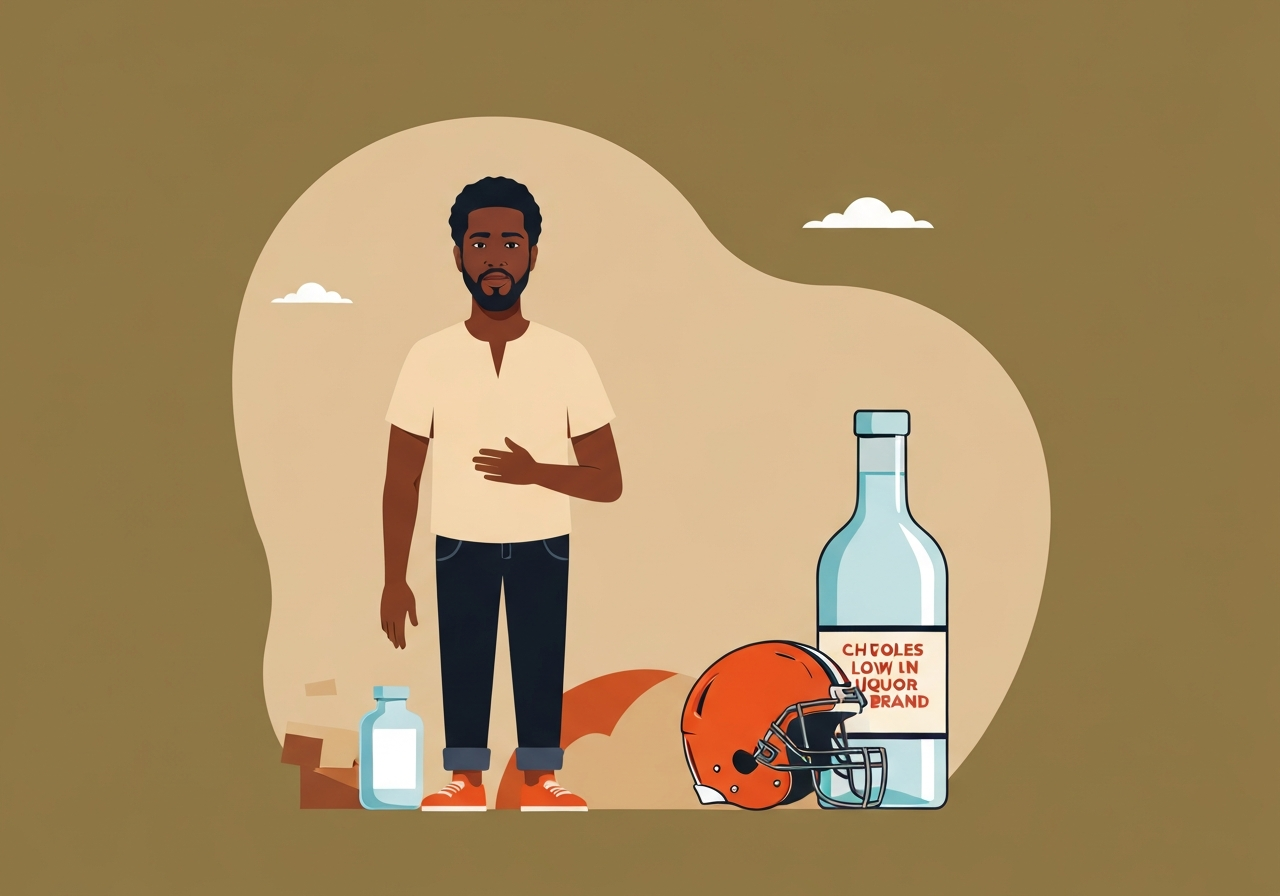
Lead: In May 2025 Hall of Famer Charles Woodson was approved to purchase a 0.1 percent stake in the Cleveland Browns, but the minority-sale never closed. Woodson told Front Office Sports he declined ownership after determining he could not remove his name from an existing liquor brand tied to his image. The NFL bars owners from using their name, likeness or image to promote alcoholic products, a rule that created the conflict. The Browns issued a brief statement saying they respect his decision and wished him well.
Key Takeaways
- Charles Woodson was approved in May 2025 to buy 0.1% of the Cleveland Browns but the transaction did not finalize.
- Woodson said the sticking point was his name’s role in an alcohol brand he launched; he declined to strip his name from the product.
- The NFL’s ownership rules prohibit owners from using name, image or likeness to market alcoholic beverages, creating a legal barrier to the deal.
- The Browns characterized Woodson’s withdrawal as a personal decision and offered standard well-wishes in a written response.
- The move highlights tension between athlete-branded consumer products and team-ownership eligibility under league policy.
Background
Charles Woodson is a Pro Football Hall of Famer with a high-profile post-playing career that includes business ventures and public endorsements. Over the past decade, several former players have pursued minority ownership stakes in NFL teams as a pathway to stay connected to the game and to invest in franchises. At the same time the NFL has tightened rules governing conflicts of interest, especially where an owner’s personal brand could be used to market restricted categories such as alcohol.
Woodson’s liquor brand — built around his name and public identity — was part of his commercial portfolio and reportedly a meaningful promotional asset. League guidance aims to prevent owners from leveraging team association to promote personal products that could create perceived or actual conflicts. Against that regulatory backdrop, negotiations over a fractional stake in the Browns began and apparently reached a stage of formal approval in May 2025 before collapsing.
Main Event
The ownership approval in May 2025 signaled that league vetting had cleared Woodson for a 0.1 percent purchase on paper. Sources reporting the story said the approval did not translate into a closed transaction because of the unresolved branding conflict. Woodson told reporter Ryan Glasspiegel of Front Office Sports that removing his name from the liquor line was not an option; he viewed the name as integral to the product’s identity and origin.
According to Woodson’s account, the brand’s association with his name was how the product was built and marketed, and he declined to abandon that connection even if it meant foregoing a minority stake in the Browns. The Browns’ organization issued a concise public response noting respect for his decision and offering him well wishes, without providing additional detail about the negotiations or contract language. The league rule that prohibits owners from using their name, image or likeness to promote alcohol products is cited as the operative restriction that prevented a compliant resolution.
The deal’s collapse underscores the practical limits that personal commercial arrangements can impose on ownership opportunities. While 0.1 percent is a small equity share, league governance requires full conformity with conflict-of-interest rules for any approved owner. Parties on both sides apparently determined that the only acceptable resolution would have involved Woodson altering the public branding of his spirit, which he was unwilling to do.
Analysis & Implications
This episode highlights a growing friction point as retired athletes build consumer brands while seeking roles in team ownership. Athlete-founded alcohol, apparel and lifestyle brands are often tied closely to personal image; the NFL’s ownership rules force a choice between preserving that commercial identity and accepting formal team control. For prospective owners, the Woodson case is a cautionary example that vetting can reach beyond finances into marketing and trademark arrangements.
For teams and the league, the outcome provides clarity on enforcement expectations: approvals can be reversed or left unconsummated if compliance gaps remain. That creates procedural risk for teams negotiating minority sales, since an apparent league approval does not guarantee a finalized closing if ancillary issues persist. The Browns avoided an immediate governance headache but missed an opportunity to add a high-profile alum to their ownership ranks.
Market-wise, the incident may prompt more precise pre-approval audits of candidate owners’ commercial holdings. Agents, lawyers and teams are likely to place greater emphasis on IP assignments, licensing carve-outs and transitional branding plans before public approvals. Over time, either the league could adopt clearer exceptions or prospective owners will negotiate exit strategies for brands that conflict with ownership rules.
Comparison & Data
| Item | Detail |
|---|---|
| Approved stake | 0.1% (May 2025) |
| Transaction status | Approval recorded but deal did not close |
| Relevant policy | NFL rule: owners may not use name/likeness to promote alcohol |
The simple table above shows the narrow, factual arc of this matter: an approved minority purchase in May 2025 that remained incomplete due to a branded-product conflict with league policy. While the ownership percentage was small, the legal and reputational constraints applied equally to all prospective owners regardless of share size.
Reactions & Quotes
Woodson’s explanation and the Browns’ response framed the public narrative. Below are the statements reported and their context.
“I couldn’t remove my name from the product.”
Charles Woodson (via Front Office Sports)
This concise remark, as reported, captures Woodson’s stated rationale: he viewed his name as integral to the liquor brand and therefore unacceptable to surrender even for an ownership stake in the Browns.
“We respect the decision by Charles and wish him well.”
Cleveland Browns (team statement)
The Browns’ brief public comment emphasized respect and closure, without elaborating on negotiation specifics or whether any compromise was proposed.
Unconfirmed
- Whether the parties considered a temporary trust or other legal mechanism to separate Woodson’s name from the product during ownership negotiations has not been disclosed.
- Details of the contractual language reviewed by the NFL during the May 2025 approval process have not been released publicly.
Bottom Line
Charles Woodson’s decision to prioritize his liquor brand’s name over a 0.1 percent stake in the Cleveland Browns illustrates the practical trade-offs that can arise when personal brands intersect with league governance. The NFL’s rule against owners promoting alcoholic products effectively forced a binary choice: alter the brand or forgo ownership. Woodson chose the former—keeping his name tied to the spirits business—and the ownership opportunity did not proceed to closing.
The case will likely prompt teams, agents and potential owner-investors to examine branding entanglements earlier in the vetting process to avoid last-minute collapses. For fans and observers, the incident is a reminder that even modest equity transactions can be derailed by non-financial issues such as intellectual property and marketing rights.
Sources
- NBC Sports (sports news report)
- Front Office Sports (sports media report / interview with Ryan Glasspiegel)
- NFL Operations (official league rules and governance)