
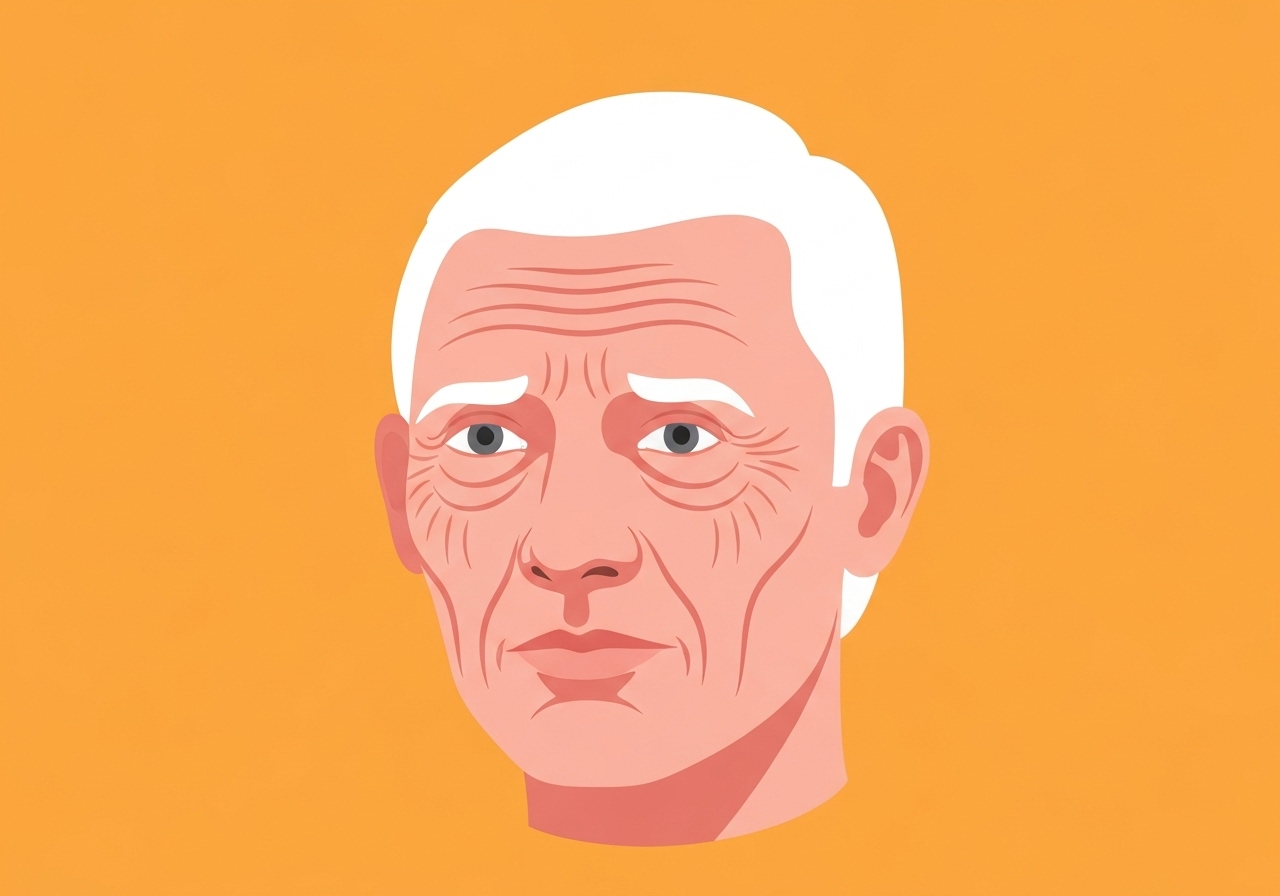
Lead: Skin begins ageing from birth, yet modern culture prizes youth, shaping how people respond to facial change. In recent reporting and research, experts from Harvard Medical School to dermatotoxicologists note both the biological drivers—thinning skin, collagen loss and slower wound healing—and the social pressures that push many toward anti-ageing treatments. Global market figures and procedure counts show a large industry built around youthful appearance, while psychologists and clinicians offer strategies to accept an ageing face without neglecting skin health. The outcome: practical skin care, mindset shifts and policy conversations all matter for how societies treat ageing.
Key Takeaways
- Skin ages both intrinsically and extrinsically; collagen declines and blood vessels become more fragile, producing thinner, drier skin that heals more slowly.
- The global anti-ageing market was valued at about $52 billion in 2024 and is projected to reach roughly $80 billion by 2030, reflecting growing consumer spending.
- A 2024 estimate shows nearly 10 million neuromodulator injection procedures in the US, about 94% performed on women, while men made up roughly 7% of all plastic-surgery patients that year.
- Faces change structurally with age: receding hairlines, thinner lips, drooping nasal tips and jowls as connective tissues and fat redistribute.
- Perception of ageing differs by gender and culture; women in many contexts face greater appearance pressure—sometimes called the “double standard of ageing.”
- Protective skin habits—UV avoidance, moisturisation, balanced nutrition and stress management—reduce some external drivers of skin ageing, though they cannot alter genetics.
- Psychological approaches such as self-compassion, value-based identity work and maintaining social ties help many people reframe wrinkles as part of life rather than defects to be erased.
Background
Human cultures have long embodied conflicting views of youth and age: ancient myths paired youthful divinities with figures of decrepitude, signalling a perennial tension between beauty and biological decline. That symbolic history maps onto modern attitudes where the skin functions socially as well as biologically—visible changes can signal age to others and shape self-concept. A cross-sociological study cited in contemporary reporting found most participants linked skin appearance with personality, underlining how closely skin ties into identity.
Biologically, skin is a complex, multifunctional organ roughly a few millimetres thick that constitutes about one-seventh of adult body weight—around 2.7–3.6 kg for an average adult. It shields against infection, regulates temperature and synthesises important molecules; yet, like other organs, it undergoes intrinsic ageing while being vulnerable to extrinsic harms such as ultraviolet radiation and smoking. Over decades, decreased stem-cell activity and reduced structural proteins like collagen lead to visible signs and functional decline.
Socially and economically, the drive to maintain a youthful appearance has created a vast industry of products and procedures. Market demand and workplace biases—ageism in hiring or perceptions of relevance—encourage some people to pursue cosmetic interventions, even as others adopt acceptance-focused approaches. Research gaps remain, particularly around how ageing body image differs across ethnicities and cultures, which limits one-size-fits-all conclusions.
Main Event
The conversation about embracing an ageing face has intensified as both data and personal narratives circulate. Clinicians explain that many age-related changes—loss of elasticity, sunspots, jowling—have clear biological causes, while sociologists and therapists emphasise the emotional toll of living in youth-focused societies. Professionals point out that medical interventions such as facelifts and neuromodulator injections can offer temporary aesthetic changes but do not reverse the underlying biology.
Dermatologists and pathologists highlight prevention and maintenance: consistent sun protection, hydration, nutrition rich in vitamins and essential fatty acids, plus gentle cleansing and moisturising preserve barrier function and may slow extrinsic damage. Experts emphasise realistic expectations for cosmetic procedures: neuromodulators reduce expression-related lines but are not permanent cures, and surgical lifts rearrange soft tissue but require recovery and carry risks.
Psychological practitioners report mixed responses among patients. Some older adults describe increased acceptance and even pride—calling wrinkles “badges of honour”—while others, particularly women in settings with appearance-based penalties, feel pressured to pursue anti-ageing remedies. Therapists recommend techniques such as reframing internal dialogue, anchoring identity in values rather than looks, and tolerating ambivalence about change.
Analysis & Implications
The persistence and growth of the anti-ageing market—valued at roughly $52 billion in 2024—reflects both demand and anxiety about ageing in workplaces and social spheres. Economically, this creates jobs and innovation but also channels substantial consumer spending into products and procedures that often address surface appearance rather than systemic age discrimination. Policymakers and employers should therefore consider anti-ageing pressures alongside debates over ageism and workplace fairness.
Clinically, the distinction between intrinsic ageing and extrinsic damage matters for public guidance. Sun protection and smoking cessation address modifiable causes, reducing the likelihood of premature thinning and spot formation; yet genetics set baseline trajectories. Medical interventions can improve appearance and, for some, psychosocial well-being, but they are not substitutes for broader cultural change in how ageing is valued.
From a mental-health perspective, framing wrinkles as neutral information rather than moral failure may reduce distress. Interventions that cultivate self-compassion and social connection produce measurable benefits in wellbeing and resilience. Societal shifts—diverse media representation of older faces, anti-ageism workplace policies and inclusive beauty standards—could re-balance pressures that currently drive many toward costly anti-ageing choices.
Comparison & Data
| Measure | 2024 | Projected / Note |
|---|---|---|
| Global anti-ageing market | $52 billion | Projected ≈ $80 billion by 2030 |
| US neuromodulator procedures (2024) | ~10 million | ≈94% were performed on women |
| Male share of plastic-surgery patients (US, 2024) | ≈7% | Trend of rising male cosmetic interest |
These headline figures show both scale and gendered patterns of demand. The market projection indicates rapid growth, while procedure counts highlight how treatments remain concentrated among women. Numbers do not tell individual motivations—cosmetic care may be chosen for personal satisfaction, social reasons or to mitigate perceived career penalties.
Reactions & Quotes
Our skin is the main interface with the outside world and performs many vital roles; losing its integrity affects health, not just appearance.
George Murphy, Professor of Pathology, Harvard Medical School (clinical perspective)
Murphy stresses that, clinically, skin must be valued for function as well as looks—advice he offers emphasises protection and maintenance over cosmetic obsession.
Beauty ideals are social constructions; recognising that frees people to question and reshape expectations rather than internalise shame.
Beth Daniels, Director, Centre for Appearance Research, University of the West of England (research perspective)
Daniels points to gaps in existing research—particularly limited diversity—which complicates policy and clinical guidance on ageing and body image.
Accepting an ageing face is not about loving every change but about stopping the constant fight and learning to live in your present stage.
Carolyn Karoll, Psychotherapist specialising in body-image concerns (clinical practice)
Unconfirmed
- Specific cross-cultural differences in facial satisfaction remain incompletely measured; much existing research overrepresents white European samples.
- The degree to which cosmetic procedures reduce workplace ageism is not well-established and requires longitudinal, controlled studies.
- Claims about rising facelift popularity among younger cohorts are reported but unevenly quantified across regions.
Bottom Line
Wrinkles and other facial changes are inevitable outcomes of biological ageing combined with life exposures. Practical steps—sun protection, moisturisation, healthy diet and stress management—slow some extrinsic damage, while cosmetic procedures can offer temporary aesthetic changes but do not reverse core ageing biology.
Equally important are psychological and social responses: cultivating self-compassion, reframing cultural narratives about youth, and addressing systemic ageism will shape whether ageing faces are stigmatised or respected. For individuals, asking what values should guide ageing can shift attention from appearance to purpose and wellbeing.
Sources
- BBC Future — original feature reporting on ageing face, industry and expert interviews (media)
- Harvard Medical School — institutional information on pathology and clinical perspectives (academic/clinical)
- American Society of Plastic Surgeons / related trade data — procedure statistics and practice trends (professional association)
- Procter & Gamble — corporate research and dermatotoxicology resources (industry/technical)
- University of the West of England, Centre for Appearance Research — academic research on appearance and ageing (research institution)