
Lead
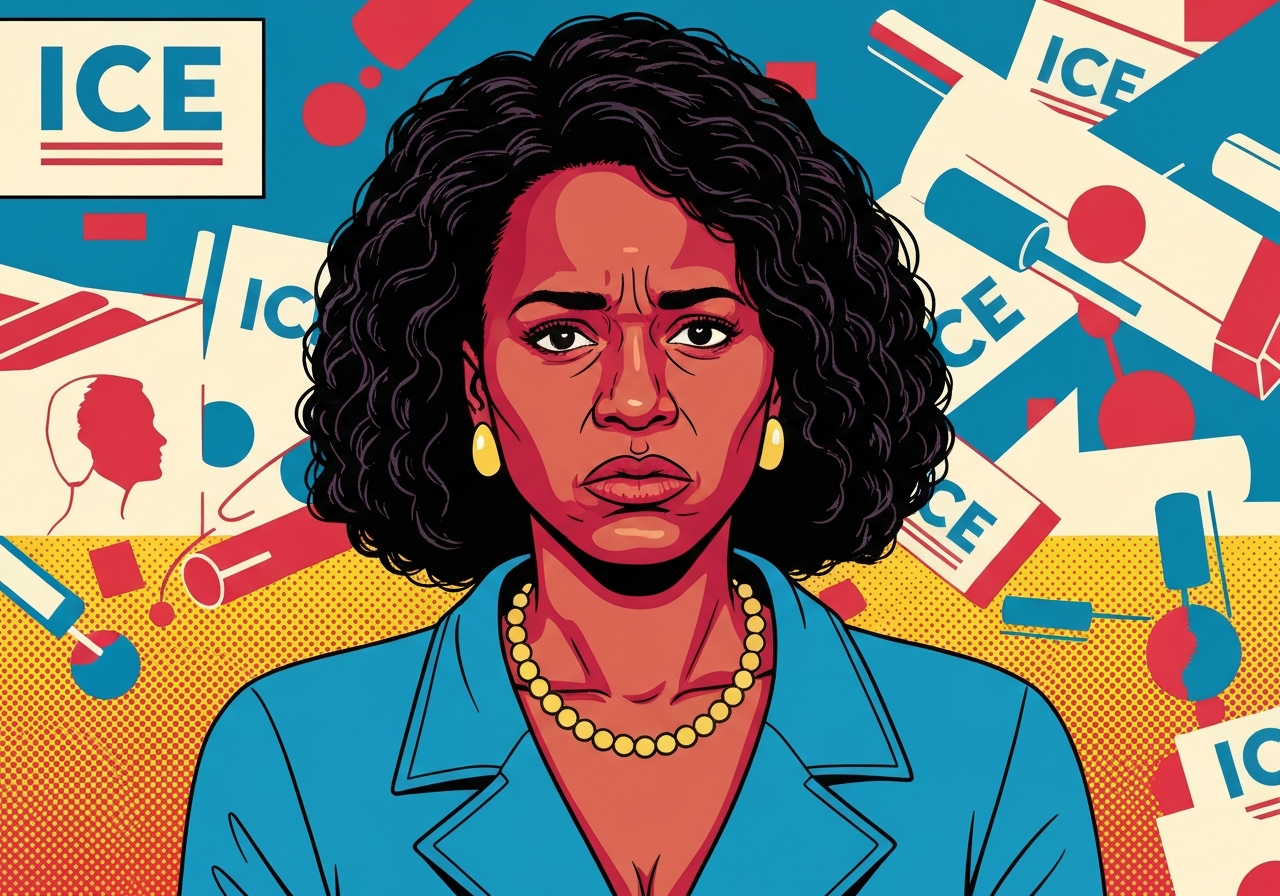
Wunmi Mosaku — nominated for an Academy Award for best supporting actress for Sinners — told The Sunday Times she has been unable to celebrate the nomination because of the recent killings of two U.S. citizens, Renée Good and Alex Pretti, by federal agents in Minnesota and the reported kidnapping of a five-year-old boy. Mosaku described the contrast between personal joy and national tragedy as “dystopian,” saying she could not reconcile the nomination with the violence. Her comments, published in February 2026 and reported by Variety, have joined a growing chorus of Hollywood figures criticizing U.S. immigration enforcement. The remarks have intensified public scrutiny of the agents’ actions and the political context around ICE operations in Minnesota.
Key Takeaways
- Wunmi Mosaku said she has “not been able to celebrate” her Oscar nomination due to the deaths of Renée Good and Alex Pretti, who were shot by federal agents in Minnesota.
- The incident also involved the reported kidnapping of a five-year-old boy; Mosaku linked these events to a broader sense of national crisis.
- Her interview with The Sunday Times was summarized in a February 2026 report by Variety, bringing the comments to wider attention.
- Jamie Lee Curtis publicly condemned ICE operations on Feb. 5, 2026, calling the situation “out of control” and criticizing the administration’s approach.
- Whoopi Goldberg, on Jan. 26, 2026, confronted senior officials on The View, accusing them of bearing responsibility for the death of Alex Pretti.
- The story has catalyzed debate about federal immigration enforcement, civil liberties and the public response to high-profile law-enforcement operations.
Background
Federal immigration enforcement by U.S. Immigration and Customs Enforcement (ICE) has been a flashpoint for years, drawing criticism from civil-rights groups, some lawmakers and public figures. The recent shootings in Minnesota — involving two American citizens, Renée Good and Alex Pretti — and the reported abduction of a child have become focal points in a larger argument over ICE tactics, oversight and accountability. Under the current administration, critics say enforcement has intensified; supporters argue it addresses unlawful entries and criminal activity. Those competing narratives shape how the public perceives incidents that involve deadly force by federal agents.
Hollywood has frequently been a venue for high-profile voices to influence public debate, using celebrity platforms to call attention to policy issues. Historically, celebrity interventions can sharpen public scrutiny and can prompt official responses or investigations, but they can also polarize discussions. Minnesota local officials, federal agencies and civil-rights advocates all play distinct roles: investigators determine facts, federal leaders set enforcement priorities, and advocacy groups push for reform or transparency. The legal and political outcomes from such incidents often unfold over months, with inquiries, community hearings and potential litigation.
Main Event
Mosaku told The Sunday Times she felt unable to partake in customary celebrations after learning about the Minnesota shootings and the kidnapping, describing the emotional dissonance between her personal achievement and the national news. She said her husband reacted differently, noting a cultural divide in how some Americans appear to resume daily life quickly after traumatic events. Mosaku characterized the atmosphere as “truly dystopian,” and questioned how people could “enjoy the moment” amid such reports.
The Variety report that published Mosaku’s remarks also noted comments from other entertainment figures. On Feb. 5, 2026, Jamie Lee Curtis told Variety that the ICE situation had become uncontrollable and called the federal actions an “abhorrence,” linking the enforcement to broader policy failings. Earlier, on Jan. 26, 2026, Whoopi Goldberg addressed the deaths on The View and directly criticized named officials, asserting moral responsibility for the outcome. These public rebukes have amplified calls for transparent investigations into the agents’ conduct.
Local and federal authorities have said investigations are ongoing (see Sources), and official accounts so far have varied in detail and timing. Media reports indicate law-enforcement teams were involved in the incidents in Minnesota, and community leaders have demanded clear timelines, body-camera footage and independent review. The interplay of media coverage, celebrity statements and official inquiries has kept the case in the public eye, increasing pressure on investigators and elected officials to explain their actions.
Analysis & Implications
Mosaku’s comments underscore a recurring dynamic in modern public life: personal milestones and national tragedies often collide, forcing public figures to navigate moral and emotional trade-offs. When an artist of her stature frames a professional achievement as difficult to enjoy because of state violence, it reframes the cultural conversation from isolated incidents to a pattern worthy of systemic scrutiny. That framing can shift media attention from entertainment coverage to public-policy debate and, in some cases, influence the tone of political responses.
Politically, the episode intensifies scrutiny on ICE and the administration’s immigration agenda. High-profile denunciations from widely recognized figures like Curtis and Goldberg can move public sentiment and increase pressure on legislators to demand transparency or hearings. Policy shifts typically require sustained public and political attention; celebrity statements can jump-start that attention but rarely substitute for formal oversight and legal processes.
For Minnesota, the practical impacts include renewed calls for independent investigations, potential civil litigation by families and reputational consequences for federal agencies operating in the state. Internationally, episodes in which federal agents kill citizens or involve children in operations draw criticism from human-rights organizations and can affect perceptions of U.S. law enforcement practices abroad. The longer-term implications will depend on investigative findings, official accountability measures and whether reforms or new oversight mechanisms are proposed and enacted.
Comparison & Data
| Date | Speaker | Platform | Core Message |
|---|---|---|---|
| Jan. 26, 2026 | Whoopi Goldberg | The View | Blamed officials and said they “have blood on your hands.” |
| Feb. 5, 2026 | Jamie Lee Curtis | Variety interview | Called ICE actions “out of control” and an “abhorrence.” |
| Feb. 2026 (reported) | Wunmi Mosaku | The Sunday Times (reported by Variety) | Unable to celebrate Oscar nomination amid killings and kidnapping reports. |
The table compiles prominent public responses tied to the Minnesota incidents and related enforcement actions. While celebrity statements vary in tone, they converge in demanding accountability and transparency. Measured policy or legal outcomes typically lag public commentary, so data on formal investigations, prosecutions or administrative discipline may take weeks to months to appear. Independent oversight requests and calls for release of law-enforcement recordings are common immediate outcomes after such incidents.
Reactions & Quotes
Below are representative statements, each placed in context to show how public figures framed the events and why those comments resonated in the broader debate.
Before the first quote: Mosaku framed her emotional response as a conflict between a professional milestone and disturbing national news, describing how the killings made ordinary celebration feel impossible. She emphasized a personal need to retreat rather than perform customary public rejoicing, and contrasted her reaction with people who appear to continue business as usual.
“I’ve not been able to celebrate because of what’s going on right now…how can I possibly go out and buy some drinks and enjoy the moment?”
Wunmi Mosaku / The Sunday Times (as reported by Variety)
After the quote: Mosaku added that her husband was less shocked, noting what she described as a cultural resilience or habituation to traumatic events in the U.S. Her remarks prompted discussion about national norms around grieving, public life and how communities process state violence. Media coverage highlighted the dissonance she described between private grief and public normalcy.
Before the second quote: Jamie Lee Curtis responded directly to the Minnesota operations, linking the incidents to broader criticisms of enforcement policy and calling for accountability. Her public comments were aimed at galvanizing concern and drawing attention to what she characterized as systemic problems in federal immigration enforcement.
“The ICE situation is out of control.”
Jamie Lee Curtis / Variety interview
After the quote: Curtis framed the enforcement actions as both a moral and political failing, suggesting the public should not grow numb. Her statement also connected to ongoing political debates about administration priorities and mainstream media agendas.
Before the third quote: On The View, Whoopi Goldberg spoke emotionally about the death of Alex Pretti, addressing named officials and assigning moral blame. Her televised reaction illustrated how the story had entered mainstream daytime discourse and heightened public scrutiny of named leaders and commanders.
“You all have blood on your hands.”
Whoopi Goldberg / The View
After the quote: Goldberg’s words intensified calls for accountability from officials identified in broadcast coverage, increasing pressure for transparent investigative steps and public explanations from law-enforcement leadership.
Unconfirmed
- Full details about the circumstances leading to the shootings of Renée Good and Alex Pretti remain under investigation and have not been independently verified in all media reports.
- The precise sequence of events regarding the reported kidnapping of a five-year-old boy and its connection to the federal operation has not been fully corroborated in public records.
- Any assertion about policy or political motive behind the specific Minnesota operations is unproven until investigations and official findings are complete.
Bottom Line
The episode illustrates how a single law-enforcement incident can ripple across culture, politics and media: a celebrated actor’s inability to enjoy an Oscar nomination became a lens for national debate about federal enforcement and accountability. Celebrity statements have amplified public demands for transparency and independent review, but they do not replace formal investigatory processes that must establish facts and assign responsibility.
Watch for concrete outcomes in the coming weeks and months: release of body-camera footage or investigative reports, announcements of independent reviews, and any legal actions by families or oversight bodies. Those developments will determine whether public pressure translates into institutional change or policy reforms affecting ICE operations and oversight in Minnesota and beyond.
Sources
- Variety — news report summarizing Wunmi Mosaku’s interview and related celebrity reactions (news).