
Lead
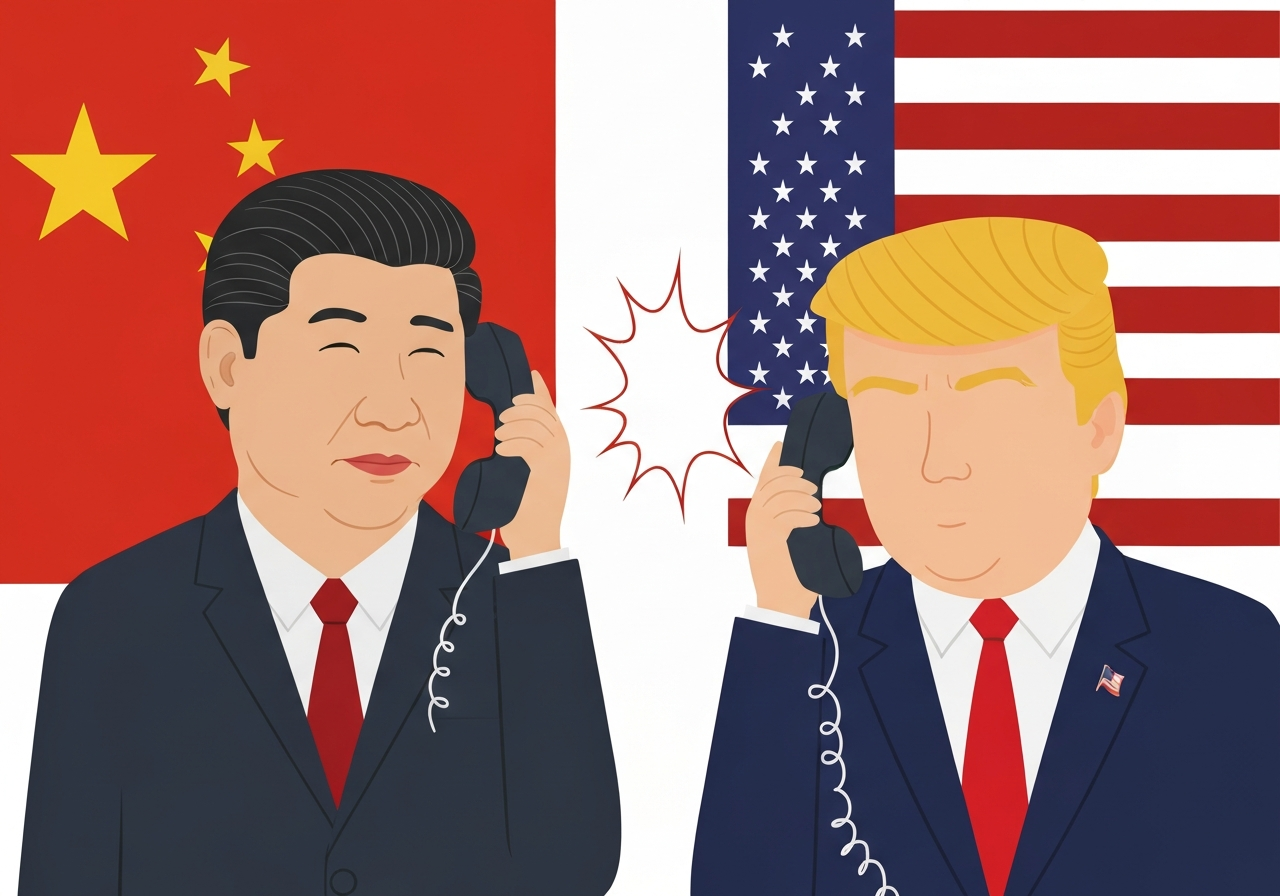
On February 4, 2026, Presidents Xi Jinping and Donald Trump spoke by phone, according to state news agency Xinhua and U.S. statements. The call, described by President Trump as “excellent” and “long and thorough,” covered trade, energy purchases and geopolitical flashpoints including Taiwan. Washington said China agreed to buy 20 million tonnes of U.S. soybeans for the current season and committed to 25 million tonnes for the next season, and that oil, gas and airplane engine deliveries were also discussed. The conversation precedes a planned face-to-face meeting later in 2026.
Key Takeaways
- Call held on February 4, 2026: Presidents Xi and Trump spoke ahead of an in-person meeting scheduled later in 2026.
- Soya purchases reported: China agreed to buy 20 million tonnes of U.S. soybeans for the current season and 25 million tonnes for the next season, per the U.S. statement.
- Energy and aerospace on the table: the leaders discussed oil and gas purchases and “airplane engine deliveries,” according to the U.S. side.
- Geopolitical topics included Taiwan: both leaders covered regional flashpoints; details of those security discussions were not fully disclosed.
- U.S. characterization: President Trump called the exchange “excellent” and “long and thorough,” signaling a positive tone from Washington.
- Source mix: reporting combines Xinhua’s account and U.S. statements; some commercial commitments remain unverified publicly.
Background
U.S.-China ties in 2026 remain a mix of competition and managed engagement: trade tensions established during previous administrations have mellowed into targeted negotiations over tariffs, subsidies and market access. Agricultural purchases have long been used as a transactional tool in bilateral talks, most visibly during the 2018–2020 trade disputes when China agreed to large soybean buys as part of détente. Energy and aerospace sales carry both commercial and national-security implications, making any commitments sensitive and subject to export controls and regulatory review.
Political context matters: both leaders face domestic pressure to show results—economic relief in the U.S. through increased exports, and in China, the need to stabilize supplies and prices ahead of domestic policy priorities. Taiwan has been a recurring flashpoint in U.S.-China relations; low-visibility security dialogues often accompany public trade announcements to manage escalation risk. The planned in-person meeting later this year is being framed by both capitals as an opportunity to calibrate ties across multiple domains.
Main Event
The phone call on February 4 was announced publicly by Xinhua and summarized by U.S. officials. According to the U.S. account, the conversation lasted an extended period and covered a range of topics from trade to regional security. Trump emphasized the trade elements publicly, flagging sizable soybean purchases and energy procurement as tangible outcomes discussed during the call.
On agricultural trade, the U.S. statement specified a 20 million tonne purchase for the current season and a pledge of 25 million tonnes for the following season. The administration described these figures as commitments discussed during the call, though it did not provide contract-level documentation at the time of the announcement. Washington also noted that oil, gas and airplane engine deliveries were raised as part of the package of topics.
Xinhua’s report framed the conversation as part of ongoing engagement between the two leaders and said the call covered bilateral and global issues. Neither side released a full transcript; public statements focused on high-level outcomes and tone rather than operational details. Officials on both sides indicated follow-up contact and preparatory work ahead of the scheduled in-person meeting.
Analysis & Implications
Trade implications are immediate but require scrutiny: if China executes purchases near the reported volumes, U.S. soybean exporters and related supply chains could see a meaningful boost in demand for the current and next marketing years. The reported increase from 20 million to 25 million tonnes for the next season implies a 25% rise over the current-season figure disclosed in the U.S. statement, but the pace and contractual form of purchases will determine the real economic impact.
Energy and aerospace discussions complicate the picture because they intersect with export control regimes and national-security reviews. Any large-scale acquisitions of aircraft engines or advanced energy equipment would likely trigger regulatory assessments in both countries and possibly third-party approvals if foreign components or technologies are involved. As a result, a public pledge in a presidential call does not automatically convert into immediate shipments.
On geopolitics, inclusion of Taiwan and other flashpoints in the call suggests both capitals are seeking to manage risk while pursuing transactional gains. A substantive U.S.-China bilateral meeting later this year could stabilize certain relationships but also crystallize areas of rivalry. Observers should watch whether trade commitments are logged in formal contracts and whether security dialogues produce mechanisms for crisis management.
Comparison & Data
| Item | Reported Volume | Change |
|---|---|---|
| Current season soybean purchases | 20 million tonnes | — |
| Next season soybean commitment | 25 million tonnes | +5 million tonnes (+25%) |
The table summarizes the purchase figures reported by the U.S. side during and after the call. The disclosed change—an increase of 5 million tonnes or 25% from the current-season figure to the next-season commitment—illustrates the headline impact. Historical export baselines, shipping schedules and contract terms will shape how quickly those volumes translate into purchases and deliveries.
Reactions & Quotes
U.S. reaction emphasized the transactional results and positive tone of the call.
“It was an excellent, long and thorough call,”
President Donald Trump
Xinhua framed the exchange as part of an ongoing, managed dialogue between the two leaders.
“Both sides exchanged views in a candid and constructive manner,”
Xinhua (state news agency)
Unconfirmed
- Whether the reported 20 million and 25 million tonne figures are backed by signed contracts or are near-term purchase intents remains unverified.
- The timing, delivery schedules and price terms for the oil, gas and airplane engine discussions were not disclosed and have not been independently confirmed.
- Details of security commitments or understandings on Taiwan were not published; any on-record agreements remain unconfirmed.
Bottom Line
The February 4 phone call between Xi Jinping and Donald Trump produced headline trade figures that, if realized, would be material for U.S. agricultural exporters and could ease short-term bilateral friction. Yet the announcement stops short of contract-level clarity, and energy or aerospace items face regulatory and logistical hurdles before becoming tangible deliveries.
Investors, agricultural stakeholders and policymakers should treat the figures as significant but provisional until formal contracts and shipment notices appear. The planned face-to-face meeting later in 2026 will be the key moment for converting presidential-level goodwill into verifiable, enforceable outcomes.