
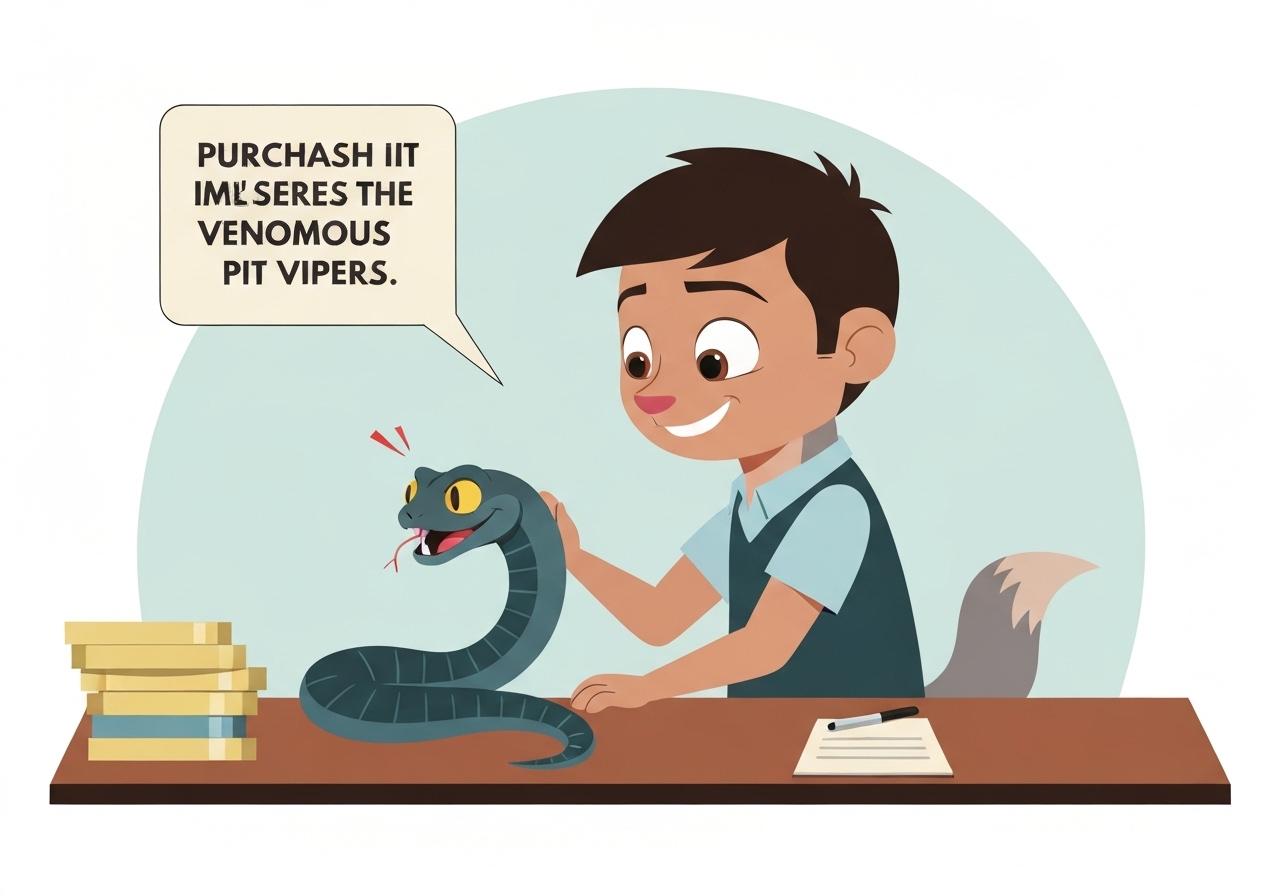
Lead: After Disney’s Zootopia 2 premiered on November 26, 2025, a spike in interest for the Indonesian (island bamboo) pit viper has emerged among young people in China. Twenty-one-year-old Qi Weihao of Jiangxi bought a blue pit viper for 1,850 yuan ($260) two days after the film opened, reflecting a trend linked to the movie’s popular blue-snake character, Gary De’Snake. The film has become China’s highest-grossing foreign animated release with 3.55 billion yuan ($503 million) to date, and its depiction of a sympathetic reptile appears to be reshaping some attitudes toward keeping venomous snakes as pets.
Key takeaways
- Box office: Zootopia 2 has earned about 3.55 billion yuan ($503 million) in China and surpassed $1 billion globally, according to Box Office Mojo.
- Individual purchase: A 21-year-old buyer paid 1,850 yuan ($260) for an Indonesian pit viper shortly after the film’s November 26 release.
- Market surge: E-commerce searches and listings for the island bamboo pit viper rose sharply after the movie; reported prices range from a few hundred to several thousand yuan.
- Owners and scale: By end-2024 more than 17 million people in China owned exotic pets; market value neared 10 billion yuan ($1.4 billion) with Gen Z making up over 60% of owners (Xinhua).
- Species share: A 2025 industry report found snakes account for over 50% of reptiles kept as pets in China.
- Regulation: Chinese rules ban mailing many live animals and dangerous items, but keeping the Indonesian pit viper is not explicitly illegal.
- Platform enforcement: Major e-commerce platforms removed many listings after scrutiny; JD said it prohibits venomous-animal sales and removed items when identified.
Background
The renewed fascination with reptiles follows a broader shift in China’s pet market that has accelerated through the 2020s. Exotic species — including reptiles — have gained traction among younger consumers as collectible culture and online communities normalized nontraditional companions. State-cited figures show more than 17 million exotic-pet owners and an industry approaching 10 billion yuan by the end of 2024, with Gen Z accounting for the majority of new demand.
Zootopia 2 opened at a moment resonant with cultural symbolism — toward the end of the lunar Year of the Snake — and its blue-snake protagonist, Gary De’Snake, has been prominent in marketing tie-ins. The first Zootopia film (2016) previously held the Chinese foreign-animation box-office record; the sequel’s performance has helped push licensed merchandise and character collaborations across fashion, toys and collectibles. That commercialization intersects with a growing online trade in live reptiles, some sold through specialist shops and others offered via digital marketplaces.
Main event
Qi Weihao’s purchase — a blue Indonesian pit viper acquired in person for 1,850 yuan two days after the film’s November 26 release — became a microcosm of the trend. Qi said the movie’s sympathetic portrayal of Gary reduced stigma and reinforced his long-standing desire for a blue snake. He stressed, however, that venomous snakes require expertise and equipment, and warned others against impulsive acquisitions.
Following the movie’s launch, Chinese e-commerce platforms recorded a surge in searches and listings for the Indonesian pit viper (known in China as the island bamboo pit viper), and reported prices varied widely from several hundred to several thousand yuan. State-linked outlet The Paper flagged the uptick and rising prices, while platform checks by journalists found some listings labeled with shipping options, prompting immediate takedowns after media inquiries.
Platform responses were swift in some cases: JD removed items after being notified and reiterated a policy forbidding venomous-animal sales. CNN’s check found the species no longer offered openly on several major retail sites, though some listings briefly remained on large marketplaces before removal. Chinese authorities and state media emphasized public-safety and animal-welfare risks, noting that escaped or mishandled venomous snakes could cause serious incidents beyond the household.
Analysis & implications
The phenomenon combines pop-culture influence, online commerce, and regulatory gaps. A friendly fictional character can reshape tastes rapidly among digitally connected youth, turning on-trend imagery into real-world demand. When demand targets medically dangerous species, however, the potential for harm rises — both to individuals lacking handling skills and to communities facing possible escape or bite incidents.
Online marketplaces amplify speed and scale: algorithmic recommendations and influencer-driven trends can push buyers toward specialist vendors, some of which may offer live animals circumventing best-practice animal-health and shipping rules. Although Chinese regulations prohibit mailing many live animals and dangerous items, enforcement depends on platform moderation and local oversight, and listings marked as “mailing included” raise enforcement questions when they appear.
There are also animal-welfare and conservation considerations. Sudden spikes in demand can incentivize wild capture or poor captive-breeding practices, increasing stress and mortality for animals and elevating biosecurity risks. Policymakers and platforms face pressure to balance legal pet ownership, public safety and ethical treatment — likely prompting new guidance, tighter platform controls, or clearer licensing for handling venomous species.
Comparison & data
| Metric | Figure | Source |
|---|---|---|
| Zootopia 2 China box office | 3.55 billion yuan ($503M) | Box Office reports |
| Zootopia 2 global box office | > $1 billion | Box Office Mojo |
| Exotic pet owners (China, end-2024) | > 17 million | Xinhua (state media) |
| Reptile pet share — snakes | > 50% of reptiles (2025 report) | Industry report (2025) |
These figures show the scale of cultural and market momentum: a billion-dollar film can drive consumer tastes, while millions of exotic-pet owners create a sizable demand base. The data underline why platform moderation and public-safety messaging became urgent after the film’s release.
Reactions & quotes
Supporters and owners described the film as destigmatizing. Qi said the character made reptile pets seem less strange and more relatable, helping normalize his own interest:
“Zootopia 2 helps give reptile pets a better image — they’re not oddballs; and Gary is the most representative character among them.”
Qi Weihao, reptile owner (quoted to CNN)
Platforms defended swift moderation when alerted. After CNN notified JD of listings, the company removed them and reaffirmed its rules against venomous-animal sales:
“We strictly prohibit the sale of venomous animals on our platform and once identified, the items are removed immediately.”
JD spokesperson (platform statement)
State-linked media framed the concern in public-safety terms, warning that fictional charm does not equal harmlessness:
“The blue snake in the movie is imbued with endearing human-like traits, but the real-life venomous snake is far from a harmless ‘trendy toy.’”
The Beijing News (state-linked media)
Unconfirmed
- Extent of illegal cross-border trade: reports show increased listings, but the full scale of international sourcing or smuggling tied to the recent surge is not independently verified.
- Injury or public-incident counts directly linked to the post-film sales spike remain unreported; there is no confirmed rise in bite incidents tied to recent purchases as of reporting time.
- Supply composition (wild-caught versus captive-bred) for pit vipers sold after the film is unclear from available public data.
Bottom line
Pop-culture can reshape demand for real-world animals quickly; Zootopia 2’s sympathetic snake character coincided with a measurable uptick in interest for a venomous species. While many fans are opting for character merchandise rather than live animals, the online listings and price movements show that some consumers considered buying pit vipers despite the clear risks.
The episode highlights gaps between consumer trends, platform controls and public-safety rules. Expect platforms, local regulators and animal-welfare groups to step up messaging and enforcement; policymakers may also review whether clearer licensing or restrictions are needed for venomous-pet sales and transport. For individuals, experts and owners stress that venomous species require specialized skills and equipment — this is not a casual, trend-driven purchase.
Sources
- CNN (international news outlet reporting on consumer trend and platform checks)
- Box Office Mojo (box-office tracking site; industry data)
- Xinhua (Chinese state news agency; industry and market statistics)
- The Paper (Chinese state-linked media; coverage of e-commerce listings and prices)
- YiCai (state-linked financial news; reporting on merchandise and brand partnerships)