
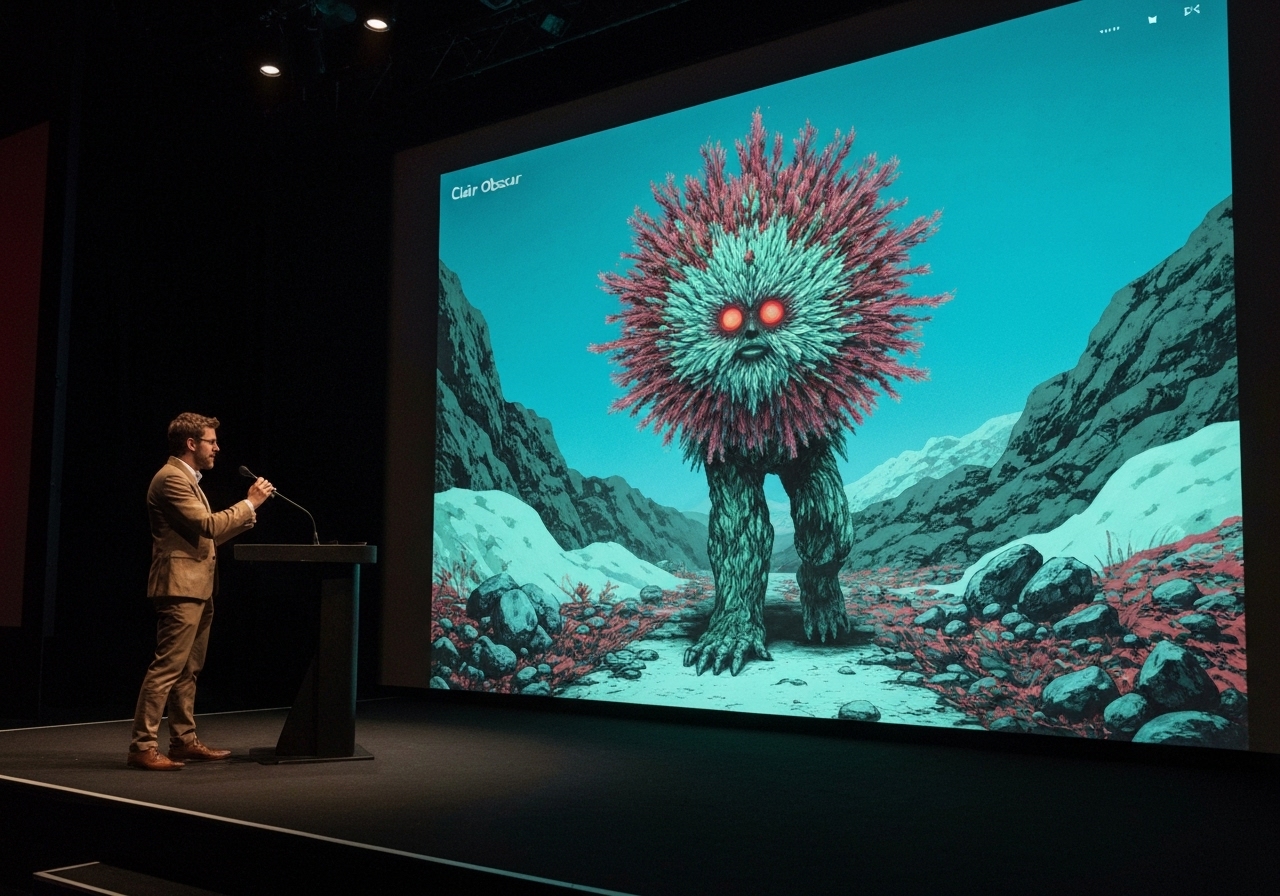
Lead: At the Indie Game Awards 2025 on December 21, Sandfall Interactive’s Clair Obscur: Expedition 33 was stripped of both Game of the Year and Debut Game after the studio’s producer, François Meurisse, confirmed that generative AI tools were used in development. The awards body says the studio had previously agreed that no generative AI was employed when the title was submitted. Although the assets in question were later removed via patches, the committee ruled that the submission breached the event’s rules and retracted both prizes.
Key Takeaways
- Clair Obscur: Expedition 33 originally won two top awards at the Indie Game Awards 2025: Game of the Year and Debut Game.
- The game was disqualified after producer François Meurisse acknowledged on December 21, 2025 that some generative AI was used in production.
- The Indie Game Awards’ eligibility rules prohibit the use of generative AI at any development stage for submissions; Sandfall had signed an agreement affirming no such use.
- Assets generated with generative AI were patched out after publication, but the committee judged the original submission violated rules and revoked the nominations.
- With Clair Obscur removed from eligibility, the awards were reassigned: Sorry We’re Closed was awarded Debut Game and Blue Prince was named Gamer of the Year (runner-up recipients).
- The incident highlights enforcement of newly tightened policies on AI use in creative submissions across indie awards platforms.
Background
Generative artificial intelligence has become more widely adopted across creative industries, from concept art and music to code and level design. Festival and awards bodies have been scrambling to set transparent policies about where and how AI tools may be used, seeking to balance innovation with crediting and originality. The Indie Game Awards maintains a strict prohibition on generative AI in projects submitted for consideration, a stance that reflects broader concerns about attribution and undisclosed automation in judged creative work.
For small studios and first-time developers, awards like the Indie Game Awards can be career-defining: visibility from a Game of the Year or Debut Game prize often drives sales, press coverage, and future funding. Sandfall Interactive, the developer of Clair Obscur: Expedition 33, had been celebrated the night of the ceremony, making the subsequent controversy particularly consequential for the studio and its public reputation.
Main Event
On the night of the ceremony, Clair Obscur: Expedition 33 collected two of the event’s most prestigious honors. Minutes to days after the ceremony, however, the game’s use of generative AI tools surfaced publicly when producer François Meurisse acknowledged that AI-generated assets had been part of the production pipeline. The revelation directly contradicted the submission declaration Sandfall had signed stating no generative AI was used.
The Indie Game Awards’ nomination committee reviewed the confirmation and ruled that any confirmed use of generative AI in the submitted work rendered Clair Obscur ineligible. Although the studio removed the disputed assets via post-release patches, the committee said the policy applies to the project as submitted at the time of judging, so retroactive changes could not cure the original breach.
Following the committee’s decision, the organizers formally retracted both the Debut Game and Game of the Year awards from Clair Obscur. The committee then elevated the runner-up selections: Sorry We’re Closed was declared Debut Game and Blue Prince received the Gamer of the Year recognition, according to the awards announcement reported on December 21, 2025.
Analysis & Implications
This disqualification sets a clear precedent for enforcement: organizers are willing to rescind awards after a post-submission confirmation of generative AI use. That elevates the stakes for developers to fully disclose toolchains and for juries to consider verification steps during evaluation. For indie teams, the episode underscores the need for strict internal documentation of asset provenance and tool usage, especially when entering competitions with explicit AI prohibitions.
For awards bodies and juries, the incident exposes operational questions: how to verify declarations, what counts as disallowed AI usage, and whether patched removals should affect eligibility. Some organizers may respond by tightening submission audits, requiring versioned source repositories, or asking for attestations from multiple team members to reduce single-point-of-failure declarations.
From a market and reputational perspective, rescinding high-profile awards can harm both the developer and the awarding institution. Developers risk losing consumer trust and future opportunities, while organizers face scrutiny over their vetting processes. At the same time, strict enforcement may reassure creators who adhere to rules that competitions will be fair and that undisclosed automation will not undercut human-driven craftsmanship.
Comparison & Data
| Award | Originally Announced Winner | Final Recipient |
|---|---|---|
| Game of the Year | Clair Obscur: Expedition 33 | Blue Prince (runner-up elevated) |
| Debut Game | Clair Obscur: Expedition 33 | Sorry We’re Closed (runner-up elevated) |
The table above summarizes the award reassignment after the disqualification. While numerical metrics from judging panels are not public, the rapid reversal illustrates how a single confirmation of rule-breaking can overturn results even after ceremony announcements.
Reactions & Quotes
The awards organization framed its decision as an enforcement of pre-existing rules and a matter of principle for the competition’s integrity.
“The Indie Game Awards have a hard stance on the use of gen AI throughout the nomination process and during the ceremony itself.”
Indie Game Awards — official statement (reported)
Sandfall’s producer acknowledged use of generative AI assets in production; the confirmation triggered the committee review that led to retraction.
“Some generative AI had been used during production.”
François Meurisse, producer (confirmed publicly)
The runner-up announcements were made after the committee’s vote to reassign prizes; affected developers and community members posted mixed reactions online, ranging from calls for clearer rules to concern for Sandfall’s future.
Unconfirmed
- The precise extent and timing of generative AI use in Clair Obscur’s development beyond the producer’s confirmation remains unclear.
- It is not publicly verified whether the AI-generated assets materially influenced judges’ scoring during the initial evaluation phase.
- Any internal deliberations or appeals between Sandfall Interactive and the Indie Game Awards committee have not been made public.
Bottom Line
The retraction of Clair Obscur: Expedition 33’s awards underscores that disclosure and adherence to competition rules are now non-negotiable in the era of generative AI. Awards bodies will likely refine submission requirements and verification processes to prevent similar reversals, and developers must keep detailed records of tools used during production to avoid inadvertent breaches.
For the indie community, the episode is a cautionary example: even removed or patched content can affect eligibility if it was present at submission. Moving forward, clarity from both organizers and teams—about permitted AI roles, mandatory disclosures, and auditability—will be essential to preserve trust in judged creative competitions.