
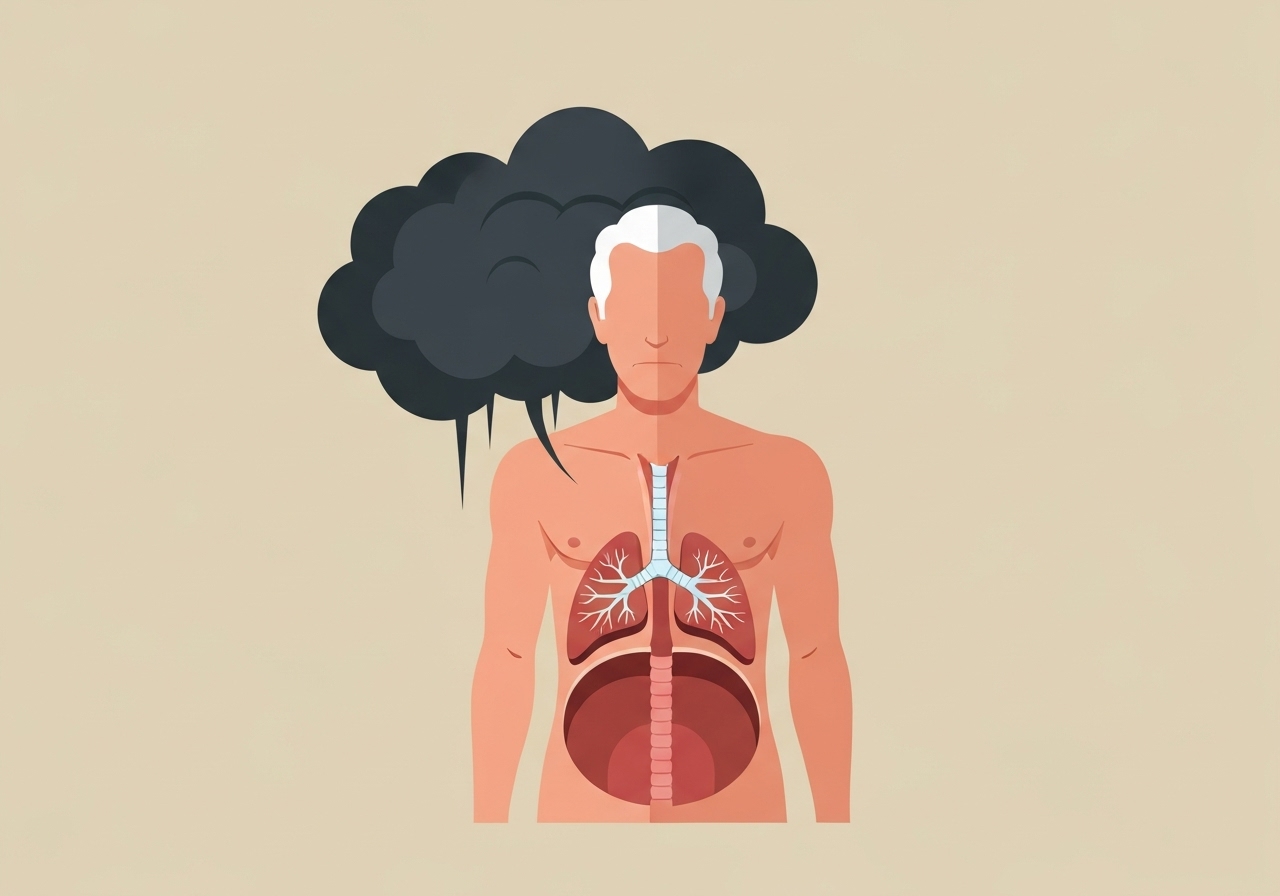
Lead: Barry Manilow, the 82-year-old singer best known for hits from Copacabana to Mandy, has announced he was diagnosed with an early-stage lung cancer and will undergo surgery to remove a portion of his left lung. He revealed the finding followed an MRI after a prolonged bout of bronchitis and has postponed upcoming performances. Doctors say there is no evidence the disease has spread; Manilow expects to return to his long-running Westgate Las Vegas residency by Valentine’s weekend. His team says no chemotherapy or radiation is planned while tests proceed to confirm the diagnosis.
Key takeaways
- Age and diagnosis: Manilow is 82 and has been diagnosed with an early-stage cancerous spot on his left lung discovered by MRI.
- Treatment plan: He will have surgery to remove part of the lung; doctors currently report no spread, and no chemo or radiotherapy is planned.
- Immediate schedule: A string of upcoming live shows has been postponed; he aims to resume performances for Valentine’s weekend at Westgate Las Vegas.
- Recent illness: The discovery followed six weeks of bronchitis and a five-week relapse that prompted further imaging.
- Residency context: Manilow is in the 16th year of his Westgate Las Vegas residency, where he has been performing regularly.
- Personal background: Manilow publicly came out in 2017 and married long-term partner Garry Kief in 2014 after decades together.
Background
Barry Manilow rose to international recognition in the 1970s with a string of charting singles and a reputation as a consummate showman. Over the past decades he has maintained a significant performance schedule and, since 2009, a recurring residency at Westgate Las Vegas that has become a stable part of his touring life. Residencies at Las Vegas venues offer legacy performers a reliable platform to reach both regular fans and tourists, often extending careers beyond conventional touring limitations.
Manilow’s recent health timeline began with bronchitis that lasted about six weeks and then a relapse lasting roughly five weeks, according to his statement. Concerned by persistent symptoms, his physician ordered an MRI that identified a suspicious lesion on the left lung. The singer emphasized the finding was early and credited timely imaging and care for catching it when treatment options are more likely to succeed. His long public career and profile mean his health updates draw broad attention, and the announcement also underscores how respiratory illnesses can precipitate further diagnostic work in older adults.
Main event
Manilow disclosed on social media that an MRI revealed a cancerous spot on his left lung that physicians have recommended removing surgically. He specified that the surgical plan is to excise the affected portion of the lung; hospital and surgical scheduling details have not been released. In response, several scheduled concerts were postponed to allow for treatment and recovery, while management has projected a return for Valentine’s weekend performances at Westgate Las Vegas if recovery proceeds as expected.
His statement indicated doctors do not currently believe the cancer has metastasized; further diagnostic tests are underway to confirm staging and margins. Manilow downplayed the prospect of systemic therapy at present, noting that no chemotherapy or radiation is planned pending surgical results. He also framed the discovery as broadly fortunate, saying the spot was found early because of persistent follow-up after bronchitis.
The announcement prompted immediate operational adjustments at Westgate, which houses his long-running residency. The hotel-casino residency model allows concentrated local shows rather than long-distance touring, a factor that may aid a staged and controlled return to performing. Fans and ticket holders have been offered information through the venue on rescheduling and refunds where applicable.
Analysis & implications
Medical: For patients in their eighties, an early-stage lung lesion found incidentally after respiratory illness raises the chance that limited surgery can achieve good control; outcomes depend on precise staging and the patient’s overall fitness. At 82, Manilow’s candidacy for lung-sparing surgery will be assessed against cardiac, pulmonary and anesthetic risk factors; many older adults successfully tolerate limited resections when carefully selected.
Career management: The residency format at Westgate gives Manilow and his team flexibility to pause and restart performances without the logistical burden of touring. That structure could shorten the timeline to return to the stage compared with a national tour, provided postoperative recovery and clearance are obtained. Promoters and venues typically plan contingencies for legacy acts, balancing ticket-holder obligations with artist welfare.
Public perception and messaging: A high-profile artist disclosing a cancer diagnosis at an advanced age shifts public focus toward early detection and the role of imaging after persistent respiratory symptoms. Manilow’s description of MRI detection may prompt fans and older adults to seek medical review for prolonged symptoms, though clinical decisions about imaging remain individualized.
Comparison & data
| Item | Value |
|---|---|
| Age | 82 |
| Years of Westgate residency | 16 |
| Bronchitis duration | 6 weeks + 5-week relapse |
| Cancer location | Left lung (single spot) |
| Treatment initially described | Surgical removal; no chemo/radiation planned |
The sparse numeric profile above highlights the specific, reportable facts publicly disclosed: age (82), residency length (16 years), and the recent respiratory illness timeline (six weeks plus a five-week relapse). Those figures frame both medical risk assessment and the operational decisions around rescheduling. While population-level statistics on lung-cancer outcomes vary by stage and histology, early detection when disease is localized typically offers better postoperative prognoses than later-stage diagnoses.
Reactions & quotes
Manilow’s own public message combined a clinical update with personal perspective and optimism about returning to performing. Below are brief excerpts placed in context.
He said an MRI revealed a cancerous spot on his left lung that doctors recommended removing, and that it was fortunate the lesion was found early.
Barry Manilow (social statement)
This statement framed the announcement as the result of proactive follow-up after persistent bronchitis and emphasized the early detection that influenced the chosen treatment path.
Reflecting on his long partnership, he noted how his husband, Garry Kief, has been a stabilizing presence throughout his career’s most intense periods.
Barry Manilow (CNN interview, 2023)
That comment revisited Manilow’s personal history and underlined the private support structures he credits with helping him navigate the pressures of fame—context that matters for understanding his current recovery environment.
Unconfirmed
- Exact staging: Official pathologic stage (e.g., stage I vs other) has not been publicly confirmed pending surgical pathology.
- Surgical details: The specific type of resection (wedge resection, segmentectomy, lobectomy) and operative date have not been disclosed.
- Recovery timeline: While a return by Valentine’s weekend was suggested, a firm medical clearance date from treating physicians has not been published.
Bottom line
Barry Manilow’s announcement that he will undergo surgery for an early lung lesion combines a personally serious medical development with cautious optimism rooted in early detection. The immediate implications are a short-term pause in performances and a clinical workup that will determine final staging and confirm the scope of surgical intervention.
For fans and the live-entertainment sector, the residency format at Westgate Las Vegas may allow a phased comeback if postoperative recovery goes smoothly. Clinically, early identification of a single lesion increases the likelihood of a focused surgical cure, but definitive prognosis will depend on pathology results and the thoroughness of subsequent staging.