
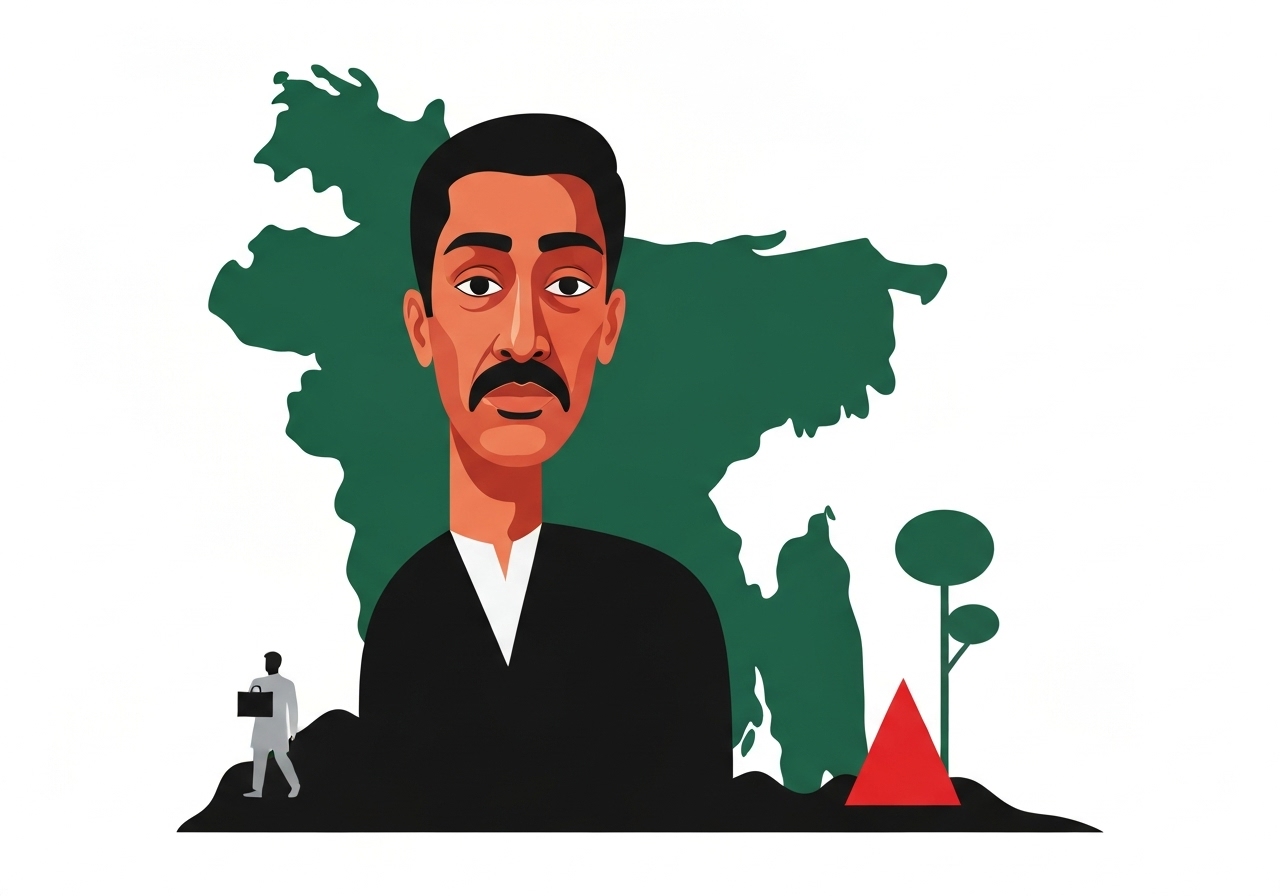
Former exile Tarique Rahman, 60, returned to Bangladesh on the eve of landmark general elections after 17 years living in London. Rahman, the figurehead of the Zia political dynasty and leader of the Bangladesh Nationalist Party (BNP), arrived ahead of a vote that could hand the party executive power. His return follows the ouster of former prime minister Sheikh Hasina last year and comes as political bans and criminal cases linked to the previous administration remain central to the campaign. Observers say the move raises the stakes for an election many consider among the most consequential in Bangladesh’s recent history.
Key Takeaways
- Tarique Rahman, 60, returned to Bangladesh after 17 years in exile in London; he has led the BNP from abroad since 2008.
- The BNP positions Rahman as its prospective prime minister if it emerges as the largest party in the upcoming general election.
- Sheikh Hasina, ousted last year and now living in exile in India, was sentenced to death last month in trials held in absentia.
- UN investigators reported up to 1,400 deaths during recent student-led unrest that preceded the political upheaval.
- Rahman had faced multiple criminal probes while the Awami League was in power but was cleared after that administration fell.
- The Awami League is reportedly unlikely to participate in the election, according to several accounts, raising questions about the vote’s inclusiveness.
Background
The return of Tarique Rahman must be read against decades of intense rivalry between the BNP and the Awami League, the two dominant parties in Bangladesh. The Zia family — most prominently former prime minister Khaleda Zia and her son Tarique — has long been a central force in the BNP’s political identity. Khaleda Zia led the party during previous terms, and Tarique has been its de facto leader while in exile.
Since 2008 Rahman has lived in London amid a series of criminal investigations that were initiated during Sheikh Hasina’s administration. Those probes and their legal outcomes have been a recurring element of Bangladesh’s polarized politics, with each major shift in power triggering new legal and political reckonings. Last year’s removal of Hasina from office and her subsequent exile to India altered the balance of power and set the stage for the current electoral contest.
Main Event
Rahman’s arrival in Dhaka was timed days before a national vote that many analysts describe as pivotal. He is widely expected to assume the role of prime ministerial candidate if the BNP secures the largest share of parliamentary seats. Party officials have framed his return as a reclaiming of political leadership after nearly two decades away.
Security at points of arrival and key party offices was visibly heightened, and BNP rallies drew supporters who had awaited Rahman’s return for years. Local reporting indicates a mix of jubilant supporters and wary onlookers, with opposition activists calling for calm amid concerns about clashes. Authorities have not reported major incidents tied directly to the arrival.
Rahman’s legal status has shifted with the change in regime: cases that once threatened his return were closed after the previous government fell. That legal clearance removed a major obstacle to his re-entry, but critics argue that the broader judicial environment and the exclusion of key parties may shape the election’s legitimacy.
Analysis & Implications
Politically, Rahman’s return consolidates the BNP’s narrative of resurgence. Having led the party remotely, his physical presence will likely bolster internal cohesion and the party’s campaigning capacity. The BNP frames his return as essential to reversing policies enacted under the Awami League and to promising a new direction on governance and accountability.
Domestically, the election’s competitiveness is being questioned because key figures from the ousted Awami League appear to be sidelined or unable to contest freely. International observers and rights groups are likely to scrutinize voter access, the participation of rival parties, and whether the electoral administration meets widely accepted standards. A contested or partial turnout would complicate claims that the vote represents a fully competitive transfer of power.
Economically, a BNP-led government under Rahman could signal policy shifts that matter to investors and development partners, particularly on issues such as industrial policy and relations with major neighbors. Foreign governments will watch statements and early policy moves closely; uncertainty around legitimacy could temper immediate international engagement or investment decisions.
Comparison & Data
| Figure | Rahman | Sheikh Hasina |
|---|---|---|
| Years in exile | 17 years (since 2008) | About 1 year (since ouster last year) |
| Age | 60 | — |
| Reported unrest deaths | Up to 1,400 (UN investigators’ estimate) | |
The table situates the two principal figures by exile duration and key numbers cited in reporting: Rahman’s 17 years abroad and the UN’s figure of up to 1,400 deaths during the unrest that preceded the political transition. These contrasts underline how quickly the political landscape shifted following the unrest and the change of government last year.
Reactions & Quotes
BNP leaders framed Rahman’s return as a pivotal moment for the party’s revival and for supporters who have campaigned remotely for years. Below are representative statements reported by party affiliates and observers.
“This is a long-awaited homecoming for our movement; his return will energize our campaign ahead of the national vote.”
BNP official (party statement)
International and rights organizations have stressed the need for a transparent electoral process and accountability for the unrest that preceded the political transition.
“All parties and authorities must ensure an election that meets international standards for fairness and protection of civil rights.”
Human rights monitoring group (statement)
Supporters and opponents reacted on social platforms and at street-level gatherings, where expressions ranged from celebratory to cautious, reflecting deep polarization across the electorate.
“We welcome his leadership, but the country needs calm and a credible vote to move forward.”
Independent political analyst
Unconfirmed
- Whether the Awami League will field any candidates in the coming election remains unclear; some reports say the party may be restricted from participating.
- Long-term legal outcomes for figures prosecuted by the previous administration have not been fully disclosed and may evolve after the vote.
Bottom Line
Tarique Rahman’s return after 17 years overseas marks a dramatic moment in Bangladesh’s fraught political cycle. It strengthens the BNP’s immediate electoral prospects by putting its de facto leader on the ground, but it does not by itself resolve questions about electoral inclusivity or the broader legitimacy of the process.
The next steps—how authorities manage the vote, whether excluded parties can meaningfully participate, and how the international community responds—will determine whether this election is seen as a credible transfer of power or as a contested milestone in a deeper political realignment. Observers should watch legal developments, turnout patterns, and official statements in the coming weeks.
Sources
- BBC News — media report on Rahman’s return and the broader political context (news).
- United Nations Human Rights Office (OHCHR) — UN investigators’ public reporting and commentary on unrest and human rights concerns (official international body).