
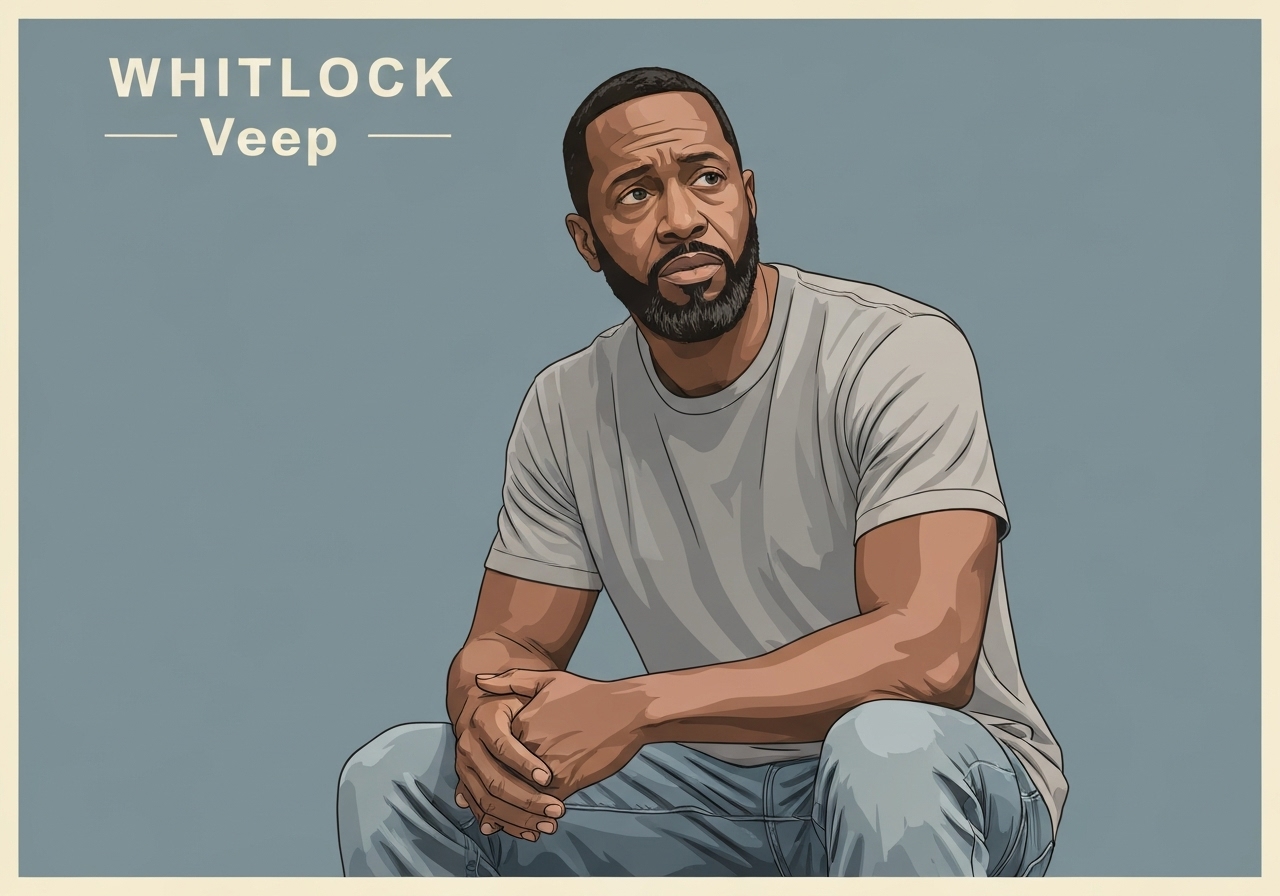
Lead
Isiah Whitlock Jr., the character actor best known for portraying corrupt state senator Clay Davis on HBO’s The Wire, died on Tuesday in New York, Variety confirmed. He was 71. His manager, Brian Liebman, announced the death on Instagram, calling Whitlock a brilliant actor and a beloved friend. The news has prompted widespread remembrance of Whitlock’s film and television work, including collaborations with Spike Lee and a recurring role on Veep.
Key Takeaways
- Whitlock died on Tuesday in New York; Variety confirmed the report and his manager posted the announcement on Instagram.
- He was 71 years old and remained active with credits spanning film, television and voice work, including a voice role slated for Pixar’s Hoppers (2026).
- He was widely identified with Clay Davis on The Wire and his elongated catchphrase “sheeeeee-it,” which entered popular culture and fan interaction.
- Whitlock was a frequent Spike Lee collaborator: credits include BlacKkKlansman (2018), Da 5 Bloods (2020), She Hate Me (2004), 25th Hour (2002), Red Hook Summer (2012) and Chi-Raq (2015).
- His other notable appearances include Goodfellas (1990), Cedar Rapids (2011), Chappelle’s Show, Pieces of April, Enchanted, Cars 3 (2017) and Lightyear (2022).
- On Veep, he played George Maddox, the U.S. Secretary of Defense who challenged Selina Meyer in the show’s 2016 primary storyline, appearing in Seasons 2–4.
- Fans frequently sought him out in public—Whitlock said earlier he was stopped two to three times a day to be asked for his catchphrase.
Background
Born in Indiana, Whitlock built a multi-decade career as a respected character actor whose work crossed genres and formats. He established a reputation for scene-stealing turns on both stage and screen, often cast in roles that leveraged a commanding presence and a warm, precise delivery. The Wire, which aired on HBO beginning in 2002, amplified Whitlock’s national profile through the Clay Davis character, a corrupt state senator whose vocal inflection and cadence became instantly recognizable.
Whitlock’s repeated collaborations with director Spike Lee reflect a long professional relationship: he appeared in Lee’s films across two decades, contributing to projects that addressed race, politics and American history. As a working character actor, Whitlock moved between blockbuster studio projects, prestige television and independent films, an arc typical of actors who sustain long careers through versatility rather than star-driven billing. His voice work in recent animated features also showed an industry trust in his recognizable timbre and comedic timing.
Main Event
The news of Whitlock’s death emerged when his manager, Brian Liebman, posted an Instagram message describing his client’s passing and praising his warmth and talent. Variety confirmed the report and published a summary of Whitlock’s career highlights and recurring collaborations. At the time of publication, no official cause of death had been released by the manager or family representatives.
Reaction began to spread on social media from fans and colleagues, many citing the Clay Davis role and Whitlock’s catchphrase as touchstones. On television, promotional partners and a range of entertainment outlets noted his recurring presence in critical and commercial projects, from Goodfellas to contemporary Pixar releases. Industry peers emphasized his steadiness as a collaborator and his capacity to elevate ensemble scenes.
Whitlock’s most recent announced projects, including voice work for Pixar’s Hoppers (scheduled for 2026), mean some credits remain posthumous or in-progress. Production companies and representatives will likely clarify release plans and any dedications as studios respond to the news and coordinate with his estate.
Analysis & Implications
Whitlock’s passing is notable both for the roles he played and for what his career represents in the entertainment ecosystem. As a character actor, he often supplied memorable beats and textures that supported leads while creating distinct moments of cultural resonance—Clay Davis being the leading example. That one role’s language permeated popular culture underscores how supporting actors can shape a series’ footprint beyond plotlines and awards.
His long association with Spike Lee also highlights the importance of recurring director–actor collaborations in shaping a performer’s trajectory. Those partnerships provided Whitlock with access to films that engaged with current social and political issues, reinforcing his image as an actor comfortable in material that spans satire, drama and historical commentary. For the industry, his loss reduces a dependable pool of experienced performers who can anchor scenes across budgets and genres.
Economically, Whitlock’s continued casting in animated features and studio films suggested steady demand for his voice and presence; projects in development or post-production may see renewed attention and, in some cases, dedications. Culturally, his death revives conversations about representation and the visibility of veteran Black actors who sustain careers in character work rather than leading-man roles, a cohort whose contributions often go undercounted in awards and coverage.
Comparison & Data
| Selected Credit | Year | Role / Note |
|---|---|---|
| Goodfellas | 1990 | Doctor |
| 25th Hour | 2002 | Collaborator with Spike Lee team |
| She Hate Me | 2004 | Origin of catchphrase use |
| The Wire (HBO) | 2002–2008 | Clay Davis (Seasons with major presence) |
| Veep (HBO) | 2012–2014 | George Maddox (Seasons 2–4) |
| BlacKkKlansman | 2018 | Spike Lee collaboration |
| Da 5 Bloods | 2020 | Spike Lee collaboration |
| Cars 3 / Lightyear | 2017 / 2022 | Voice roles |
| Hoppers | 2026 | Voice role (announced) |
The table highlights how Whitlock’s credits span more than three decades and multiple formats. His recurring collaborations with specific filmmakers and his shift into animation in later years show an arc from supporting film roles to diversified media presence.
Reactions & Quotes
Whitlock’s manager publicly framed the loss as both personal and professional, which set the tone for early responses from colleagues and fans.
It is with tremendous sadness that I share the passing of my dear friend and client Isiah Whitlock Jr. If you knew him — you loved him. A brilliant actor and even better person. May his memory forever be a blessing. Our hearts are so broken. He will be very, very missed.
Brian Liebman, Manager (Instagram)
Fans and cultural commentators immediately referenced Whitlock’s most recognizable on-screen mannerism, a vocal inflection that became a widespread shorthand for the Clay Davis character.
Sheeeeee-it.
On-screen line associated with Clay Davis / cultural reaction
Unconfirmed
- No official cause of death has been released by family or representatives as of Variety’s report; media outlets are awaiting confirmation.
- Details about funeral plans, memorial services or public commemorations have not been provided publicly and remain unconfirmed.
- Reports of collaborators’ formal statements beyond the manager’s Instagram post have not been published at the time of this report.
Bottom Line
Isiah Whitlock Jr. leaves behind a body of work defined by memorable supporting performances that repeatedly intersected with major cultural projects. His Clay Davis turn on The Wire and frequent collaborations with Spike Lee are likely to be central points in how his career is remembered and discussed.
In the short term, the industry will watch for clarifications about cause of death, posthumous credits and tributes from colleagues. In the longer term, Whitlock’s career reinforces the value and visibility of character actors in shaping television and film narratives; his absence will be felt across projects that relied on his particular blend of gravitas and comic timing.
Sources
- Variety — entertainment trade (reported confirmation and career summary)