
Lead
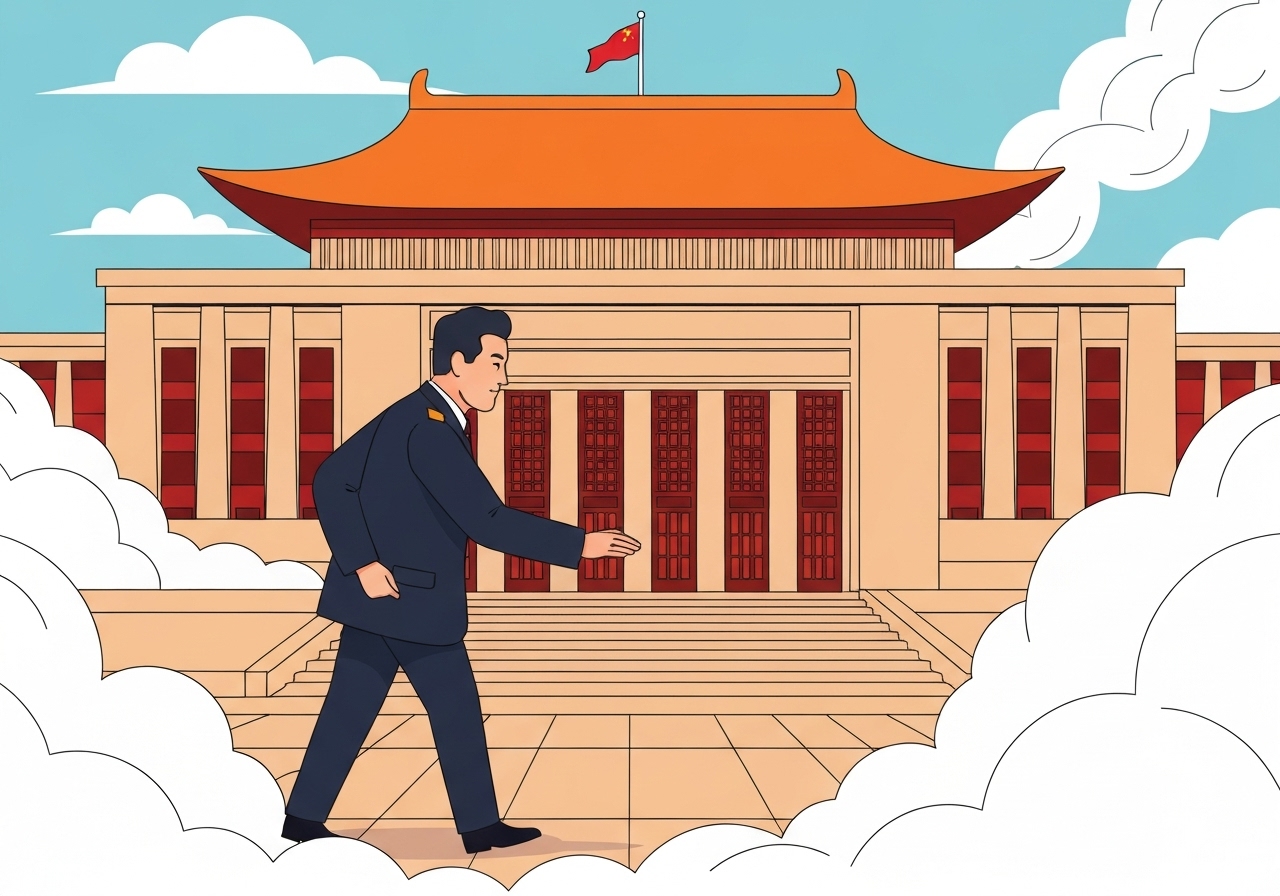
On Jan. 4, 2026, South Korean President Lee Jae Myung departed Seoul Air Base in Seongnam for a four-day state visit to China, accompanied by his wife Kim Hea Kyung and a delegation of more than 200 business leaders. The trip, Lee’s first to Beijing since taking office in June, came hours after North Korea launched ballistic missiles, underscoring regional tensions. Lee is scheduled to meet Chinese President Xi Jinping for their second encounter in two months, a rapid succession that officials and analysts say highlights Beijing’s interest in deepening economic and tourism ties with Seoul. Chinese state media said the agenda will include supply-chain investment, the digital economy and cultural exchanges.
Key Takeaways
- President Lee Jae Myung left Seoul on Jan. 4, 2026, for a four-day state visit to China with his wife and a delegation of more than 200 business leaders.
- North Korea launched ballistic missiles on the same day, an action observers interpret as a strategic signal amid shifting regional ties.
- Lee is set to meet Xi Jinping for their second meeting within roughly two months, an unusually short interval between bilateral summit meetings.
- Senior executives reported among the delegation include Samsung Chairman Jay Y. Lee, SK Group Chairman Chey Tae-won, and Hyundai Motor Group Executive Chair Euisun Chung.
- Chinese state broadcaster CCTV said talks will cover supply-chain investment, the digital economy and cultural exchanges.
- Analysts suggest Pyongyang’s missile launches are intended to dissuade closer Seoul-Beijing alignment on denuclearization and security policy.
Background
The visit takes place against a backdrop of intensifying regional friction. Relations between China and Japan have deteriorated following comments by Japan’s former prime minister in November suggesting Tokyo might consider military options over Taiwan; Beijing reacted angrily, and that dispute has reshaped East Asian diplomatic dynamics. Seoul has sought to balance its alliance with Washington and its economic relationship with Beijing, a delicate posture made more complicated by recent security developments on the peninsula.
Lee assumed office in June and has moved quickly to engage China at the highest level; meeting Xi twice in a short span reflects Beijing’s eagerness to stabilize and expand bilateral economic ties, particularly in tourism and supply-chain cooperation. At the same time, North Korea’s repeated weapons tests continue to inject unpredictability into any diplomatic outreach, complicating negotiations on denuclearization and regional security frameworks.
Main Event
On the morning of Jan. 4, 2026, Lee and his wife Kim Hea Kyung boarded their government plane at Seoul Air Base in Seongnam for the flight to Beijing. State and South Korean media reported the delegation included more than 200 business figures, signaling an emphasis on economic outcomes for the four-day trip. Photographs published by South Korean outlets showed prominent corporate leaders on the delegation list, indicating private-sector priorities will be prominent in meetings and side events.
Chinese state media said the agenda will focus on supply-chain investment, digital-economy cooperation and cultural exchanges, reflecting mutual economic interests. Lee’s planned meeting with Xi Jinping is their second in two months, a cadence atypical for summit diplomacy and one commentators read as evidence of Beijing’s urgency in strengthening ties with Seoul. The trip follows a day in which Pyongyang launched ballistic missiles, an act that Seoul and outside analysts view as part of North Korea’s broader signaling strategy.
South Korean officials described the visit as aimed at promoting peace on the peninsula and advancing economic cooperation, while Chinese hosts framed discussions around practical cooperation and people-to-people exchanges. The presence of senior business figures from companies such as Samsung, SK and Hyundai underscores the commercial dimension and suggests possible memoranda of understanding or investment announcements could follow.
Analysis & Implications
Short-term, the visit seeks to solidify economic ties at a moment when global supply chains and tourism recovery are priorities for both capitals. Beijing’s willingness to host a sizable South Korean business delegation indicates an appetite for reciprocal economic activity as a means of stabilizing bilateral relations. For Seoul, the trip is an opportunity to diversify economic partners while managing security ties with the United States.
Strategically, analysts argue Pyongyang’s missile launches timed to coincide with Lee’s departure are intended to complicate Seoul-Beijing rapprochement by signaling to China that North Korea views closer South Korea–China ties as potentially adverse to Pyongyang’s interests. If true, that dynamic could constrain the scope of security cooperation between Seoul and Beijing and place added pressure on multilateral denuclearization efforts.
On the diplomatic calendar, two high-level meetings between the South Korean and Chinese leaders in a short period may accelerate practical agreements on economic cooperation but are unlikely to resolve core security differences. Seoul will need to balance economic gains against alliance commitments to the United States and broader regional security commitments, especially if North Korea increases provocations or if ties between China and Japan continue to deteriorate.
Comparison & Data
| Item | Detail |
|---|---|
| Departure | Seoul Air Base, Seongnam — Jan. 4, 2026 |
| Visit length | Four days |
| Delegation size | More than 200 business leaders |
| Named executives | Jay Y. Lee (Samsung), Chey Tae-won (SK), Euisun Chung (Hyundai) |
The table above summarizes key factual points of Lee’s trip. Compared with typical state visits, the large corporate component is notable and reflects a prioritization of immediate economic outcomes. The second summit with Xi in roughly two months stands out from historical patterns, where such meetings are usually spaced further apart; that timing is a tactical signal of Beijing’s priorities rather than an immediate policy pivot on security.
Reactions & Quotes
Observers and media responses reflected a mix of diplomatic caution and emphasis on economic opportunity. Analysts warned that North Korea’s missile activity complicates peacemaking efforts even as leaders pursue bilateral engagement.
“The missile launches are a message to China to deter closer ties with South Korea and to counter China’s stance on denuclearisation.”
Lim Eul-chul, Institute for Far Eastern Studies (analysis)
Chinese state outlets outlined the topics Beijing expects to pursue with the South Korean delegation.
“Discussions will include supply-chain investment, the digital economy and cultural exchanges.”
CCTV (Chinese state broadcaster)
Unconfirmed
- Whether the trip will produce binding trade or investment agreements has not been confirmed; official statements list topics but formal deals were not announced at departure.
- Attribution of intent behind North Korea’s missile launches (to deter China–South Korea ties) reflects analyst interpretation and is not an official admission from Pyongyang.
- Any plans for concrete tourism-restoration measures or timelines have not been publicly verified as of departure.
Bottom Line
President Lee’s Jan. 4, 2026 state visit to China is primarily focused on economic engagement, backed by an unusually large business delegation and a packed agenda covering supply chains, the digital economy and cultural exchange. The timing—coming as Pyongyang fired ballistic missiles—illustrates how economic diplomacy and security tensions remain tightly intertwined on the Korean Peninsula.
Expect Beijing and Seoul to pursue practical economic steps in the near term while keeping strategic divergence on security issues unresolved. For observers, the most consequential outcomes to watch are any signed investment frameworks, concrete tourism restoration plans, and whether the visit alters the tempo or tone of regional diplomacy among China, South Korea, Japan and the United States.
Sources
- CNBC — news report summarizing the visit, delegation and related developments (media)
- CCTV English — state broadcaster coverage of planned agenda topics (state media)
- Yonhap News Agency — images and reporting on delegation composition (news agency)