
Lead
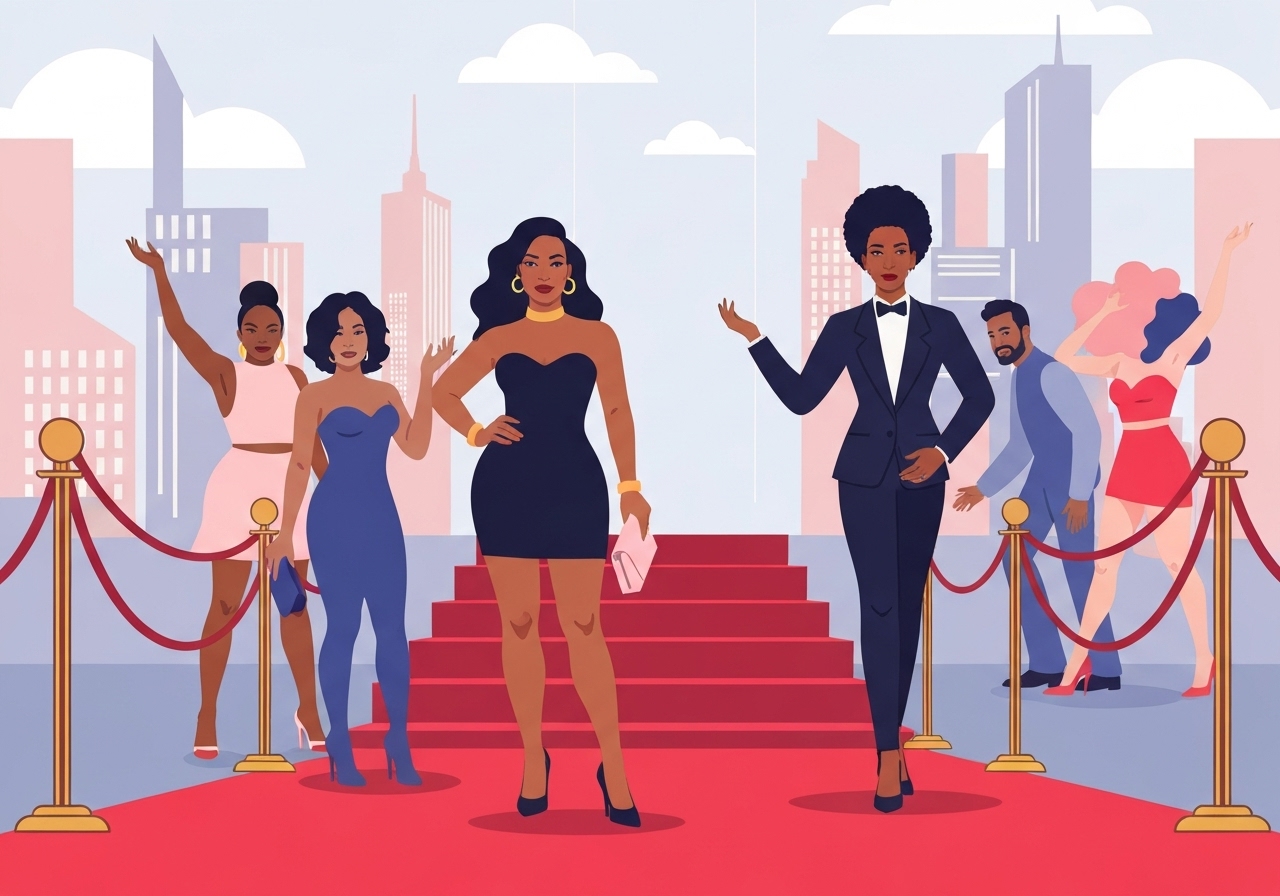
The Critics Choice Awards 2026 red carpet gallery showcases a broad cross-section of film and television talent, photographed and credited across major outlets. Photographers captured 52 on-camera arrivals and pairs, including Quinta Brunson, Odessa A’zion, Ariana Grande and Chloé Zhao. The visual roundup, credited primarily to Tommaso Boddi, Gilbert Flores, JC Olivera and Earl Gibson III, highlights a mix of designers, bold color choices and understated tailoring. The images together frame the look and promotional strategies driving awards-season visibility.
Key Takeaways
- The gallery features 52 photographed individuals or pairs from the Critics Choice Awards red carpet, spanning actors, directors, musicians and designers.
- Photo credits are concentrated among four shooters: Tommaso Boddi (20 photos), Gilbert Flores (19 photos), JC Olivera (9 photos) and Earl Gibson III (4 photos).
- High-profile attendees include Quinta Brunson, Ariana Grande, Chloé Zhao, Paul Mescal and Michael B. Jordan, representing mainstream and auteur cinema.
- Several celebrity pairs arrived together (Tom Pelphrey & Kaley Cuoco; Adam & Jackie Sandler; Paul W. Downs & Megan Stalter), emphasizing joint publicity moments.
- The visual trends evident in the shots include tailored suiting, saturated hues, and a continued presence of established designers alongside emerging stylists.
- Coverage appeared across entertainment and fashion outlets — Variety, WWD and Deadline — underscoring cross-industry interest in red-carpet imagery.
Background
Red carpet galleries have become a primary way outlets document awards-season fashion and celebrity presence, offering editors and audiences immediate visual summaries. The Critics Choice Awards, organized by the Critics Choice Association, regularly attract a mix of film and television talent whose looks are used in promotional cycles. Photo galleries serve multiple stakeholders: publicists secure press for clients, designers receive runway-to-red-carpet exposure, and outlets monetize attention through display and social distribution.
Over recent years the red carpet has widened beyond a narrow set of celebrity archetypes to include filmmakers, composers and costume designers whose presence signals industry recognition. Photo-credited galleries also reflect newsroom sourcing arrangements: multiple photographers from different outlets capture parallel angles, and galleries consolidate those images for a single visual story. That consolidation helps readers and industry watchers compare styling choices at a glance while preserving the photographers’ credits.
Main Event
The gallery assembled images of leading and supporting players arriving for the Critics Choice Awards red carpet. Standouts in the selection include Quinta Brunson and Odessa A’zion—each captured by Tommaso Boddi—alongside music star Ariana Grande photographed by Earl Gibson III. Directors and behind-the-camera figures appear as well, with Chloé Zhao and Park Chan-wook included among the images, underscoring the event’s mix of creative roles.
Celebrities often arrived in pairs or small groups, a dynamic that the photographers emphasized: Tom Pelphrey and Kaley Cuoco appeared together, as did Adam and Jackie Sandler and the duo Paul W. Downs and Megan Stalter. Those paired arrivals create shareable moments that amplify press coverage, and photographers framed both posed portraits and candid interactions. The collection includes veterans (Jeff Goldblum, Benicio del Toro) and a younger cohort (Noah Schnapp, Bella Ramsey), showing generational breadth.
Fashion-wise, the gallery shows a spectrum from classic red-carpet glamour to modern, minimalist tailoring. Designers and stylists are not always listed in gallery captions, but the range of silhouettes and fabrics indicates a mix of couture, ready-to-wear and bespoke pieces. Photographers from different outlets captured complementary angles and lighting styles, which together create a fuller visual record of the evening’s aesthetic choices.
Photographers’ credits—primarily Variety’s Tommaso Boddi and Gilbert Flores, WWD’s JC Olivera and Deadline’s Earl Gibson III—appear beneath the images, clarifying sourcing and enabling readers to trace images back to their origin. That clear attribution is important for licensing and for acknowledging the professionals who document these events.
Analysis & Implications
Red-carpet imagery performs both cultural and commercial functions: it signals prestige for award nominees and provides content that drives social engagement for outlets. For stylists and designers, visibility in a well-distributed gallery translates into potential editorial bookings and brand recognition during a concentrated publicity window. The presence of directors and technical creatives in the gallery also broadens the conversation beyond only actors, highlighting the industry’s appreciation for behind-the-camera work.
The fact that galleries consolidate photos from multiple outlets reflects the economics of awards coverage. Outlets invest in on-site photographers to secure exclusive shots, yet aggregations like the one analyzed here multiply reach and create a shared visual narrative for awards season. For publicists, coordinating arrivals and sightlines remains a tactical priority because a single striking image can circulate widely online and in wire services.
For audiences and industry watchers, the gallery functions as a trend snapshot: color palettes, fabric choices and silhouette shifts can indicate what stylists and houses are promoting this season. In turn, those trends inform retail cycles and designer commissions, especially when streaming platforms push talent into high-visibility roles that require media-ready appearances. The cross-pollination between entertainment outlets and fashion trade press also shapes which looks gain traction.
Comparison & Data
| Photographer / Outlet | Photos Credited |
|---|---|
| Tommaso Boddi / Variety | 20 |
| Gilbert Flores / Variety | 19 |
| JC Olivera / WWD | 9 |
| Earl Gibson III / Deadline | 4 |
The table above counts credited images in the consolidated gallery. Tommaso Boddi and Gilbert Flores supplied the majority of shots, with JC Olivera and Earl Gibson III contributing the remainder. Those totals explain why certain faces appear in multiple angles or lighting styles while others are represented by a single frame. The distribution underscores how a small set of staff photographers can shape the visual record of a single awards event.
Reactions & Quotes
Industry outlets frame these galleries differently: entertainment sites typically prioritize breadth of faces, while fashion trades focus on designers and stylists. Below are brief representative remarks drawn from the outlets that supplied coverage; each quote is paired with context showing how the outlet framed the images.
Variety’s photo coverage emphasized the event’s mix of established names and emerging talent, presenting a wide sweep of arrivals for readers seeking a comprehensive visual index.
“A sweeping portrait of arrivals captured across the evening, spotlighting both stars and industry creatives.”
Variety (photo gallery)
That phrasing accompanies a set of photographs credited to multiple Variety photographers and functions as an editorial summary used to orient readers to the gallery’s scope.
WWD’s focus is typically on fashion detail and designer attribution; their frames often highlight cut, fabric and accessory choices to inform trade readers and stylists.
“Close-up frames emphasize tailoring, fabric and accessory choices visible on the carpet.”
WWD (fashion coverage)
WWD’s emphasis helps translate red-carpet appearances into actionable insights for fashion professionals, who monitor those details for trends and future commissions.
Deadline’s coverage tends to spotlight major celebrity arrivals and the broader entertainment angle, noting how headline names contribute to awards momentum.
“High-profile arrivals underline the awards-season narrative and media focus on key nominees and presenters.”
Deadline (entertainment reporting)
That positioning assists industry readers in connecting the visual record to unfolding awards-season storylines, including nominations and campaign visibility.
Unconfirmed
- Designer attributions for several looks have not been published in gallery captions and remain unconfirmed.
- It is not confirmed whether specific garments were custom commissions, runway pieces, or pre-existing wardrobe selections.
- No official statement has been released about which looks (if any) were part of long-term brand partnerships tied to the arrivals.
Bottom Line
The Critics Choice Awards 2026 red carpet gallery assembles a visual record that is as much about promotional positioning as it is about fashion. The 52 credited images reflect a deliberate coordination between talent, stylists and photographers to produce moments that travel across social and editorial channels.
For readers, the gallery is a practical way to scan awards-season energy: it shows who is being highlighted, what designers and silhouettes are visible, and how different outlets frame the same event. For industry professionals, those images translate into measurable publicity and can influence bookings, brand partnerships and future creative decisions.
Sources
- Variety — Critics Choice Awards 2026 red carpet gallery (entertainment press / photo gallery)
- WWD (Women’s Wear Daily) (fashion trade coverage)
- Deadline (entertainment news)