
Lead
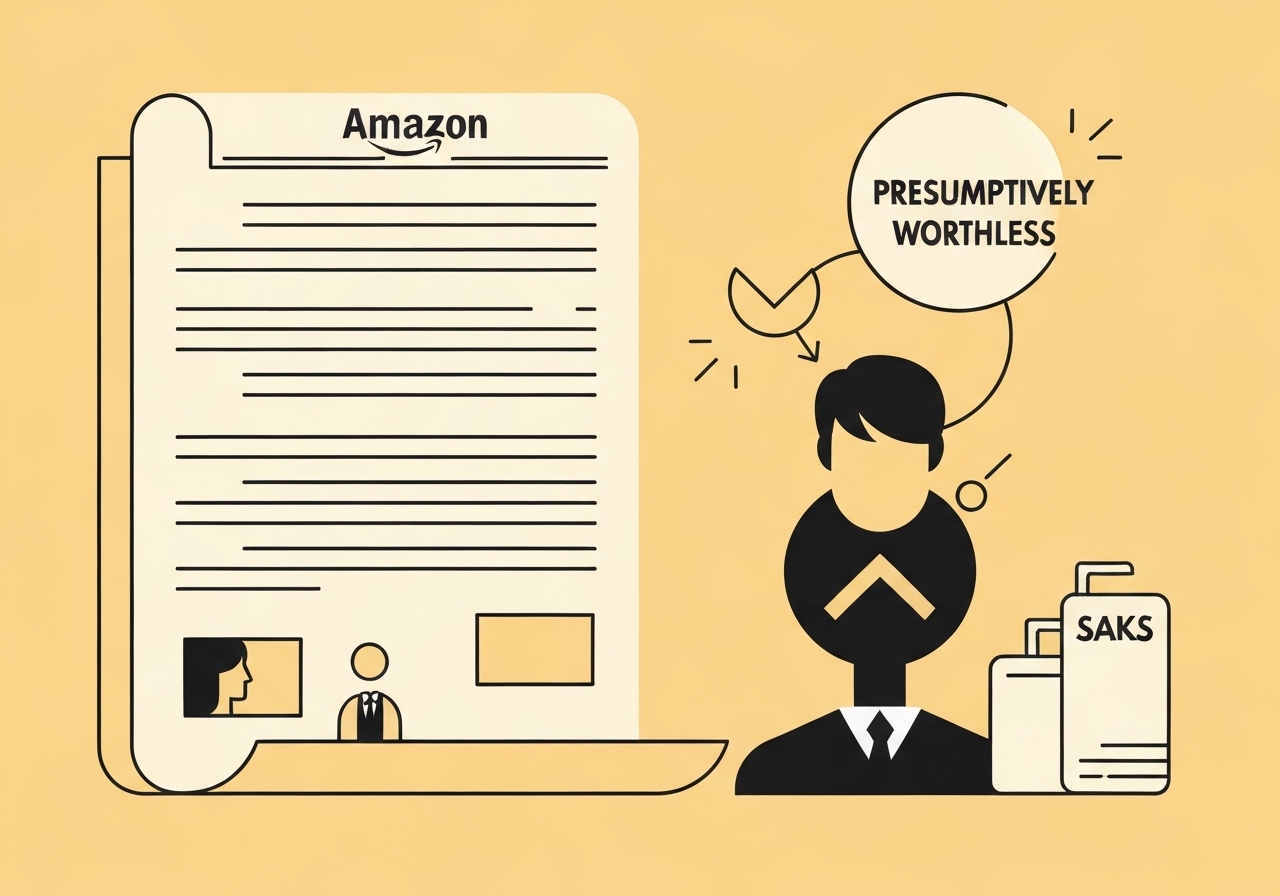
On January 15, 2026, a U.S. bankruptcy judge granted Saks Global Enterprises interim access to cash after a late-night hearing, despite an objection from Amazon.com Inc. The online retailer argued that Saks breached a commercial agreement and said its equity stake in the now-bankrupt company is “presumptively worthless.” After a 7.5-hour hearing, the court approved roughly $400 million in short-term financing; Saks must return to seek final approval of a wider $1.75 billion package in the coming weeks.
Key Takeaways
- On Jan. 15, 2026, a bankruptcy court approved interim financing that gives Saks access to about $400 million in cash for immediate operations.
- Saks seeks final court approval for a full debtor-in-possession (DIP) financing package totalling $1.75 billion.
- Amazon challenged the deal, alleging Saks breached a sales agreement and arguing its equity investment is “presumptively worthless.”
- The courtroom session lasted roughly 7.5 hours and took place late at night before the judge ruled for interim relief.
- Interim approval does not guarantee final order; Saks must return to the court for confirmation of the full facility.
- The decision preserves near-term liquidity for Saks while leaving valuation and creditor priorities unresolved.
Background
Saks Global Enterprises entered Chapter 11 as it reorganizes under U.S. bankruptcy law to stabilize operations and negotiate with creditors and investors. Chapter 11 allows a debtor to continue operating while it restructures debts, commonly using debtor-in-possession financing to fund payroll, suppliers and store operations. DIP financing is typically prioritized by the court to keep a business going, but such loans can spark disputes when existing creditors or commercial partners feel their rights are being subordinated.
Amazon, which has commercial ties and a prior relationship to sell certain Saks merchandise, filed an objection to the proposed financing, saying terms and relationships had been violated. Equity investors in distressed firms commonly see their stakes diluted or wiped out in bankruptcy; Amazon characterized its prior equity investment as likely having no residual value. The competing interests of secured lenders, suppliers, equity holders and strategic partners create a familiar battleground in large retail bankruptcies.
Main Event
The hearing on Jan. 15 stretched into the night and ran about seven and a half hours before the judge issued interim relief allowing Saks to draw down cash to operate. Court papers and proceedings show the judge concluded that immediate financing was necessary to prevent operational collapse, while reserving the tougher legal questions for a later final hearing. The interim order permits access to roughly $400 million in cash, earmarked for payroll, vendor payments and critical inventory needs.
Amazon mounted a formal challenge, arguing in filings that Saks had breached a commercial agreement governing sale of Saks merchandise on Amazon’s platform, and that Amazon’s equity position in the bankrupt entity had little to no recoverable value. The company urged the court to deny the financing or impose conditions protecting commercial partners and creditors. The judge, however, determined that denying near-term liquidity would pose greater harm to stakeholders and allowed the interim draw.
Saks’ legal and financial advisers indicated they would return to court soon to seek final approval of the full $1.75 billion financing package, which would replace or extend the interim facility if approved. Until the final hearing, the court will monitor use of the interim funds and may adjust terms or creditor protections as additional evidence and objections are aired. The outcome of the final approval will materially affect recovery prospects for creditors, suppliers and any remaining equity holders.
Analysis & Implications
The judge’s decision underscores a common bankruptcy calculus: immediate liquidity often outweighs abstract disputes over valuation when jobs, inventory and customer-facing operations are at stake. Approving interim DIP funding preserves day-to-day operations and gives the debtor breathing room to negotiate a longer-term restructuring, but it does not decide ultimate claims or the distribution waterfall. For secured lenders and critical suppliers, interim relief can be a double-edged sword—it sustains the business but may elevate the DIP lender’s priority in a future bankruptcy plan.
Amazon’s characterization of its equity as “presumptively worthless” signals an aggressive posture that could shape creditor and investor expectations about recoveries. If equity is treated as effectively valueless, secured and administrative creditors typically stand ahead in any distribution, reducing the bargaining leverage of equity stakeholders. That framing also serves Amazon’s tactical interests: it strengthens arguments for protections or concessions from the debtor and competing lenders during the final DIP approval process and any plan negotiations.
The dispute illustrates wider pressures in the retail sector, where legacy brands, supply-chain relationships and platform partnerships intersect. A large, well-capitalized DIP package of $1.75 billion reflects the scale of required working capital and potential restructuring costs. International suppliers, landlords and commercial partners will watch the final hearing closely because its terms could set precedent for how similar disputes over platform relationships and vendor claims are handled in future retail bankruptcies.
Comparison & Data
| Item | Amount |
|---|---|
| Interim cash approved | ~$400 million |
| Proposed total DIP financing | $1.75 billion |
| Hearing length (Jan. 15) | 7.5 hours |
The table summarizes the immediate cash relief relative to the full financing request and the length of the contested hearing. The interim $400 million represents approximately 23% of the total $1.75 billion facility proposed, a common structure that gives the debtor immediate liquidity while the court tests longer-term terms. Final approval could expand, reduce or reprice the package depending on objections, new evidence and negotiated protections for creditors and counterparties.
Reactions & Quotes
Amazon framed its position in court filings as both a contractual and valuation objection, arguing its equity stake had little chance of recovery if the proposed financing framework stands unaltered.
“The equity interest in the reorganizing company is presumptively worthless,”
Amazon court filing
The bankruptcy court emphasized the need to prevent operational disruption, granting interim access to cash while preserving the parties’ rights to continue litigating in subsequent hearings.
“The court grants the debtor interim access to approximately $400 million to fund essential operations,”
Bankruptcy court interim order
Market participants and restructuring advisers noted that interim approval is a pragmatic step but not the final legal or commercial outcome; final terms and recoveries remain undecided.
“Interim liquidity doesn’t resolve valuation disputes—those are decided later in the process,”
Restructuring adviser (industry comment)
Unconfirmed
- Specific contractual details Amazon says Saks breached have not been fully disclosed in public filings and remain under seal or discussion.
- The ultimate valuation of Saks’ equity and whether any recovery will reach equity holders is unresolved until plan confirmation and asset valuations are finalized.
- Any negotiated changes to the $1.75 billion package ahead of the final hearing remain possible but unannounced.
Bottom Line
The court’s interim approval kept Saks operational by unlocking roughly $400 million in near-term cash, but it leaves unresolved the deeper conflicts over contracts, creditor priority and equity value. Amazon’s assertion that its equity stake is “presumptively worthless” frames an aggressive litigation posture that could influence negotiations and creditor expectations ahead of the final hearing.
Final approval of the $1.75 billion financing package will be the decisive next step: it will determine priority of claims, the terms under which the retailer continues to trade, and the likely recoveries for creditors and investors. Market participants should watch subsequent filings and the final hearing closely, since those outcomes will shape recoveries and set practical standards for platform-retailer disputes in future restructurings.
Sources
- Bloomberg (news media report)