
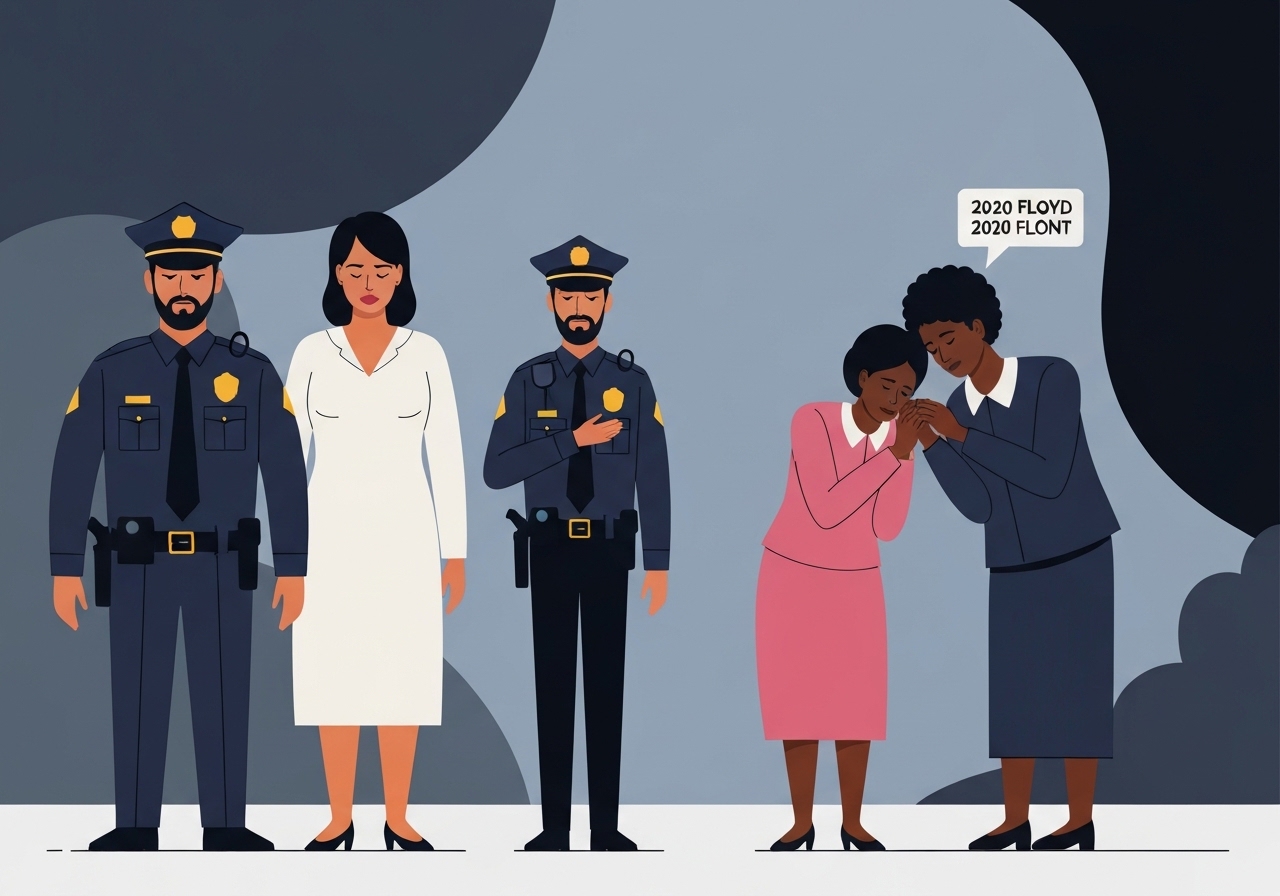
Lead: On 7 January 2026 in Minneapolis, Deputy Attorney General Todd Blanche told Fox News the US Department of Justice is “not investigating” the fatal shooting of Renee Good by an ICE agent, Jonathan Ross. The killing — recorded on at least five phones, including one held by the agent — took place less than a mile from the site where George Floyd died in May 2020. Blanche’s public refusal to open a federal civil-rights inquiry contrasts with the immediate, robust DOJ and FBI probe launched after Floyd’s death, which led to federal convictions in 2022. The announcement has prompted resignations by some federal prosecutors and intensified debate over the department’s independence and standards for opening civil-rights investigations.
Key takeaways
- The shooting: Renee Good was shot and killed on 7 January 2026 by ICE agent Jonathan Ross in Minneapolis; multiple bystander videos captured the incident, including video reportedly recorded by Ross.
- DOJ stance: Deputy Attorney General Todd Blanche said on 18 January 2026 the department is “not investigating” the shooting and defended the decision by citing publicly available video evidence.
- Contrast with Floyd case: Following George Floyd’s death on 25 May 2020, the DOJ and FBI announced a “robust criminal investigation” within days; that federal inquiry contributed to convictions in 2022, including Derek Chauvin’s guilty plea.
- Forensic scrutiny: Independent forensic reviews by outlets such as The New York Times and Bellingcat have challenged claims that Good “ran over” the agent before he fired, finding inconsistencies with the Trump administration’s public account.
- Political context: Blanche, a former personal lawyer to Donald Trump, and other Trump administration appointees have been cited as factors in concerns about DOJ impartiality since Trump’s return to the presidency.
- Institutional fallout: A wave of federal prosecutors in Minnesota and Washington, D.C., resigned in protest at the decision not to open a civil-rights investigation; Blanche and FBI director Kash Patel subsequently visited Minneapolis.
- Alleged obstruction and response: Reports say federal officers blocked a man who identified himself as a physician from treating Good and impeded ambulance access; the DOJ has said it will prosecute those who attack or obstruct federal officers.
Background
The Minneapolis killing of George Floyd on 25 May 2020 prompted immediate federal involvement: the US attorney’s office in Minnesota and the FBI announced within days that they were conducting a criminal investigation alongside the DOJ civil rights division. That investigation culminated in federal charges and convictions in 2022, including a guilty plea by Derek Chauvin and convictions of three other officers on civil-rights counts related to Floyd’s death and the failure to provide medical aid.
The federal civil-rights investigative framework allows the DOJ to pursue cases where local prosecutions may be inadequate or where federal statutes are implicated. Historically, video evidence has accelerated federal scrutiny when footage raises questions about excessive force or deliberate indifference, but the department retains discretion about when to open full criminal probes. In the months after Trump’s 2024 return to the presidency, critics have pointed to a series of appointments and directives that they say have eroded the department’s traditional independence.
Main event
On 7 January 2026 an ICE agent, identified as Jonathan Ross, shot Renee Good in Minneapolis. The encounter occurred less than a mile from the intersection where Floyd was killed in 2020. Multiple bystanders recorded the encounter on phones; reports indicate at least five videos exist, including one reportedly taken by Ross himself.
In public remarks and on social media, supporters of the agent—including former President Trump and ICE overseer Kristi Noem—characterized the incident as an attack on the officer, asserting Good struck the agent with her vehicle. Independent forensic assessments published by news outlets have disputed that account, finding the available video does not support the claim that Ross was run over prior to firing.
On 18 January 2026 Deputy Attorney General Todd Blanche told Fox News the department would not launch a criminal investigation, arguing the incident had been publicly reviewed and that the civil rights unit does not automatically open probes in every use-of-force case. Blanche said the DOJ would not “bow to pressure” from politicians or media in this matter. The statement followed resignations by several federal prosecutors and public criticism from Minnesota governor Tim Walz, who called for federal review.
After the shooting, there were on-scene confrontations. Witnesses say federal officers prevented a man who identified himself as a physician from rendering aid to Good and impeded ambulance access when medics arrived. The Justice Department has announced it will pursue prosecutions against anyone who attacks or obstructs federal officers, while also denying a civil-rights investigation into the shooting itself.
Analysis & implications
The DOJ’s refusal to investigate a videotaped in-custody killing in Minneapolis — given the city’s recent history — creates a stark contrast with the department’s rapid response to George Floyd’s death. That inconsistency raises questions about the criteria the civil rights division uses when deciding to open criminal probes and whether political factors are influencing those decisions. If the standard for federal intervention appears uneven, public trust in federal oversight of law enforcement may further erode.
Legal experts note the federal government has limited but important tools: civil-rights statutes, supervised consent decrees, and prosecutorial discretion. The decision not to open a federal civil-rights investigation does not preclude state or local authorities from pursuing charges, but it does remove a layer of oversight that has, in past high-profile cases, led to federal civil or criminal actions where local responses were judged inadequate.
Politically, the episode is likely to deepen polarization over federal law-enforcement accountability. Resignations by federal prosecutors indicate internal dissent that could have long-term effects on morale and staffing. Internationally, unequal application of civil-rights enforcement risks damage to the United States’ stated commitments to rule-of-law norms and could be used by critics to argue selective enforcement is now institutionalized.
Comparison & data
| Case | Date | Federal Action | Outcome (as of 2026) |
|---|---|---|---|
| George Floyd | 25 May 2020 | DOJ/FBI opened immediate criminal investigation | Federal convictions in 2022 (including Derek Chauvin guilty plea) |
| Renee Good | 7 January 2026 | DOJ: no criminal investigation announced (18 Jan 2026) | Investigation status limited; local inquiries and internal ICE review reported |
The table highlights the rapid federal mobilization after Floyd’s death versus the DOJ’s explicit refusal to open a federal criminal probe in Good’s case as of 18 January 2026. That divergence matters because federal involvement has historically altered prosecutorial choices and, in some cases, produced convictions when local systems did not.
Reactions & quotes
Deputy Attorney General Todd Blanche defended the DOJ’s decision publicly and framed it as consistent with the department’s standards. Supporters point to the availability of video as a basis for declining a new federal probe.
“We are not going to bow to pressure from the media, bow to pressure from politicians, and do something that we never do.”
Todd Blanche, Deputy Attorney General (Fox News, 18 Jan 2026)
Kristi Noem, overseeing ICE under the Trump administration, asserted in broadcast interviews that the videos show the agent was attacked and argued an internal agency review was sufficient. Her public statements echoed claims circulated by senior Trump aides and allies.
“Everybody can watch the videos and see that he got attacked with a car that was trying to take his life.”
Kristi Noem, Secretary overseeing ICE (CBS interview)
By contrast, officials who handled the Floyd case have cited the necessity of independent federal review when videos suggest possible civil-rights violations. In 2020 then-Attorney General William Barr described the Floyd footage as “harrowing” and announced an independent DOJ inquiry the day after local arrests began.
“[Video images] were harrowing to watch and deeply disturbing.”
William Barr, then Attorney General (May 2020)
Unconfirmed
- Whether the ICE agent’s on-device video conclusively shows events that legally justify the use of deadly force — independent forensic teams have raised contradictions but no definitive legal finding has been issued.
- Allegations that Renee Good’s widow was criminally impeding the agent prior to the shooting remain under review and the extent of her actions has not been established in court.
- Reports suggesting a formal FBI criminal investigation may still open have circulated; as of 18 January 2026 the DOJ publicly said it was not investigating.
Bottom line
The DOJ’s decision not to open a federal civil-rights investigation into Renee Good’s killing marks a notable departure from the rapid federal response to George Floyd’s death in 2020. That divergence has immediate consequences: it intensifies public scrutiny of the Justice Department’s standards and fuels concerns about politicization and unequal enforcement of civil-rights protections.
Watch for resignations, internal memos, and whether state or local prosecutors pursue charges; those developments will determine whether accountability occurs through nonfederal avenues. The episode also underscores a broader institutional question about how and when the federal government intervenes in police or federal-agent-involved deaths — a question with implications for community trust and the rule of law.
Sources
- The Guardian — Media report summarizing DOJ statements and local coverage (news organization).
- The New York Times — Reporting and forensic analysis cited by multiple outlets (news organization; forensic journalism).
- Bellingcat — Independent investigative analyses of video evidence (independent investigative outlet).
- Fox News — Platform for Deputy Attorney General Todd Blanche interview (news organization; source of Blanche remarks).