
Lead
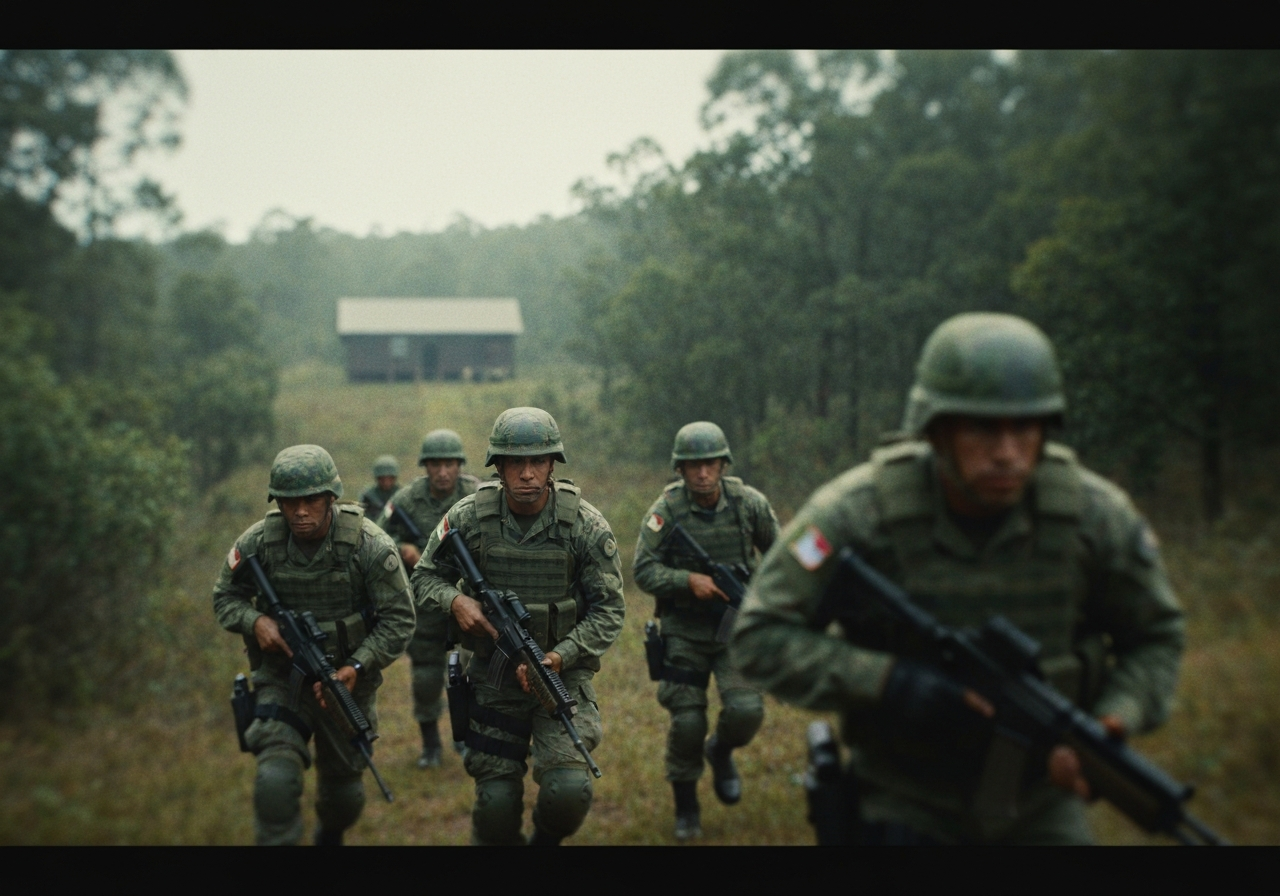
Mexican security forces say they located Nemesio Oseguera Cervantes, the leader of the Jalisco New Generation Cartel, in a remote cabin in the wooded mountains of Jalisco in late February 2026 after following information from a close partner. Officials, including Defense Minister Gen. Ricardo Trevilla Trejo, described the operation at a news conference in Mexico City with President Claudia Sheinbaum on Monday, Feb. 23, 2026. The raid culminated in a firefight in which several suspected cartel members were killed and Mr. Oseguera was fatally wounded; authorities announced his death Sunday morning. The operation set off a wave of violent reprisals across the country, with attacks reported in 20 of Mexico’s 32 states and at least 62 fatalities.
Key Takeaways
- Mexican forces say a close partner led investigators to a cabin in Jalisco where Nemesio Oseguera Cervantes — “El Mencho” — had been sheltering since at least Friday, Feb. 20, 2026.
- The Defense Ministry and President’s office publicly detailed the operation at a Feb. 23, 2026 news conference in Mexico City, with Gen. Ricardo Trevilla Trejo briefing reporters.
- Authorities report several suspected cartel members were killed during a pitched firefight; Mr. Oseguera was fatally wounded and pronounced dead Sunday morning.
- Violent reprisals followed the announcement: armed groups attacked security forces, blocked highways and set fires across 20 states; official tallies report at least 62 people killed.
- Transport networks were disrupted — airlines and bus companies canceled routes — stranding travelers and thousands of tourists in resort areas including Puerto Vallarta.
- The government framed the raid as a major success in its intensified offensive against organized crime, while analysts warn of possible short-term instability as cartels react and new leadership emerges.
Background
The Jalisco New Generation Cartel has been one of Mexico’s most powerful and violent criminal organizations for more than a decade, expanding from its home state of Jalisco into trafficking routes across Mexico and internationally. Nemesio Oseguera Cervantes, known as El Mencho, was long listed as Mexico’s most-wanted kingpin and the target of domestic and international investigations for years. Efforts to dismantle the cartel have involved coordinated actions by the Mexican military, federal police and intelligence services, alongside pressure from foreign law enforcement partners.
Prior administrations pursued high-profile captures and extraditions of cartel leaders, producing periodic disruptions but also cycles of violent reprisals and fragmentation. The government of President Claudia Sheinbaum has intensified operations against major criminal figures as part of a broader security strategy. Analysts note that removing an entrenched leader can create both tactical openings for authorities and short-term spikes in violence as rival factions and lieutenants contest control.
Main Event
According to officials, investigators obtained actionable information pointing to a remote cabin in the wooded hills of Jalisco where El Mencho was believed to be staying. The Defense Ministry says operatives moved quickly once the location was confirmed, executing a planned assault aimed at capturing the suspect. The raid encountered armed resistance, and exchanges of gunfire ensued between security forces and those inside the compound.
Mexican authorities reported that several suspected cartel members were killed during the firefight. By Sunday morning, officials said Nemesio Oseguera Cervantes had been fatally wounded in the clash and later died of his injuries. Defense Ministry briefings delivered a step-by-step account of the operation, emphasizing the role of human intelligence in establishing the suspect’s precise whereabouts.
The government released limited operational details publicly, citing the need to protect ongoing inquiries and personnel. President Sheinbaum and defense officials presented the outcome as the result of sustained investigative work and interagency coordination. Local authorities in Jalisco put security measures in place around the scene while forensic teams processed the site.
Within hours of the announcement, widespread retaliatory actions by armed groups were reported in multiple states, including attacks on security forces, burns to commercial properties and blockades that obstructed travel and logistics. The rapid spread of unrest prompted emergency responses from state and federal authorities and disrupted air and ground transportation in affected regions.
Analysis & Implications
The removal of El Mencho marks a significant tactical achievement for Mexican security forces and could degrade the operational capacity of the Jalisco New Generation Cartel in the near term. Leadership decapitation can interrupt command-and-control, complicate trafficking operations and create opportunities for follow-up arrests. For the government, the operation may also be a domestic political win and a signal to international partners about progress against organized crime.
However, history and the immediate post-raid violence underscore the risks of a power vacuum. Cartel structures often fragment after a leader’s death, sometimes provoking internecine fighting, territorial grabs by rival groups or localized spikes in criminal activity. The reported attacks in 20 states and the 62 fatalities indicate a broad and coordinated reaction that could persist while new power dynamics settle.
There are regional and international implications as well. Disruptions to trafficking routes could shift flows and violence into neighboring states or across borders, affecting supply chains and creating emergent security challenges. The operation may also alter diplomatic dynamics; foreign governments monitoring cartel activity — including the United States — will weigh the results and potential fallout as they consider bilateral cooperation on security and migration.
Comparison & Data
| Metric | Feb 2026 Raid (El Mencho) | 2016 Capture (El Chapo) |
|---|---|---|
| Primary location | Cabin, wooded mountains of Jalisco | Urban hideouts, multiple jurisdictions |
| Immediate nationwide unrest | Reported in 20 of 32 states; at least 62 deaths | Bouts of violence and searches reported; large-scale reprisals varied by region |
| Public confirmation | Feb. 23, 2026 news conference (Defense Minister, President) | Public announcements across agencies and multiple press briefings |
The table places this operation alongside the 2016 capture of Joaquín “El Chapo” Guzmán to show patterns: high-profile takedowns frequently trigger volatile short-term reactions even while they degrade a criminal leader’s direct control. Differences in context, cartel structure and state response shape outcomes and longer-term stability.
Reactions & Quotes
“Information from a close partner allowed forces to locate the suspect and carry out the operation,”
Gen. Ricardo Trevilla Trejo, Defense Ministry (official briefing)
Gen. Trevilla Trejo framed the raid as the product of intelligence-led operations and interagency coordination, stressing operational security and the need to protect ongoing investigations.
“The federal government will maintain operations to reduce violence and restore public safety,”
President Claudia Sheinbaum (office statement)
President Sheinbaum addressed the nation after the announcement, emphasizing a commitment to continued pressure on organized crime while urging calm amid retaliatory attacks reported across the country.
“Removing a cartel leader creates a disruptive moment — it can weaken the organization but often fuels short-term violence as contenders surface,”
Security analyst (academic/think tank)
An independent security analyst warned that analysts and authorities must prepare for fragmentation, intelligence gaps and possible shifts in trafficking routes following the leader’s death.
Unconfirmed
- The full identity, role and legal status of the partner who provided information have not been independently verified and remain undisclosed by authorities.
- Public briefings have not clarified whether foreign intelligence or operational assistance materially affected the timing or execution of the raid.
- Detailed casualty breakdowns — distinguishing between cartel members, security personnel and civilians — have not been fully released at the time of these reports.
Bottom Line
The death of El Mencho represents a major tactical success for Mexican authorities and could disrupt the Jalisco New Generation Cartel’s centralized operations. Yet the immediate nationwide reprisals — attacks reported in 20 states and at least 62 fatalities — illustrate the fragility of security gains and the high risk of short-term instability following the removal of an entrenched criminal leader.
Authorities will face the dual challenge of consolidating gains through arrests and prosecutions while protecting communities from retaliatory violence. Monitoring how the cartel’s internal structure adjusts, where violence shifts geographically and how international partners respond will be essential to assessing whether this operation yields a lasting reduction in organized criminal capacity.