
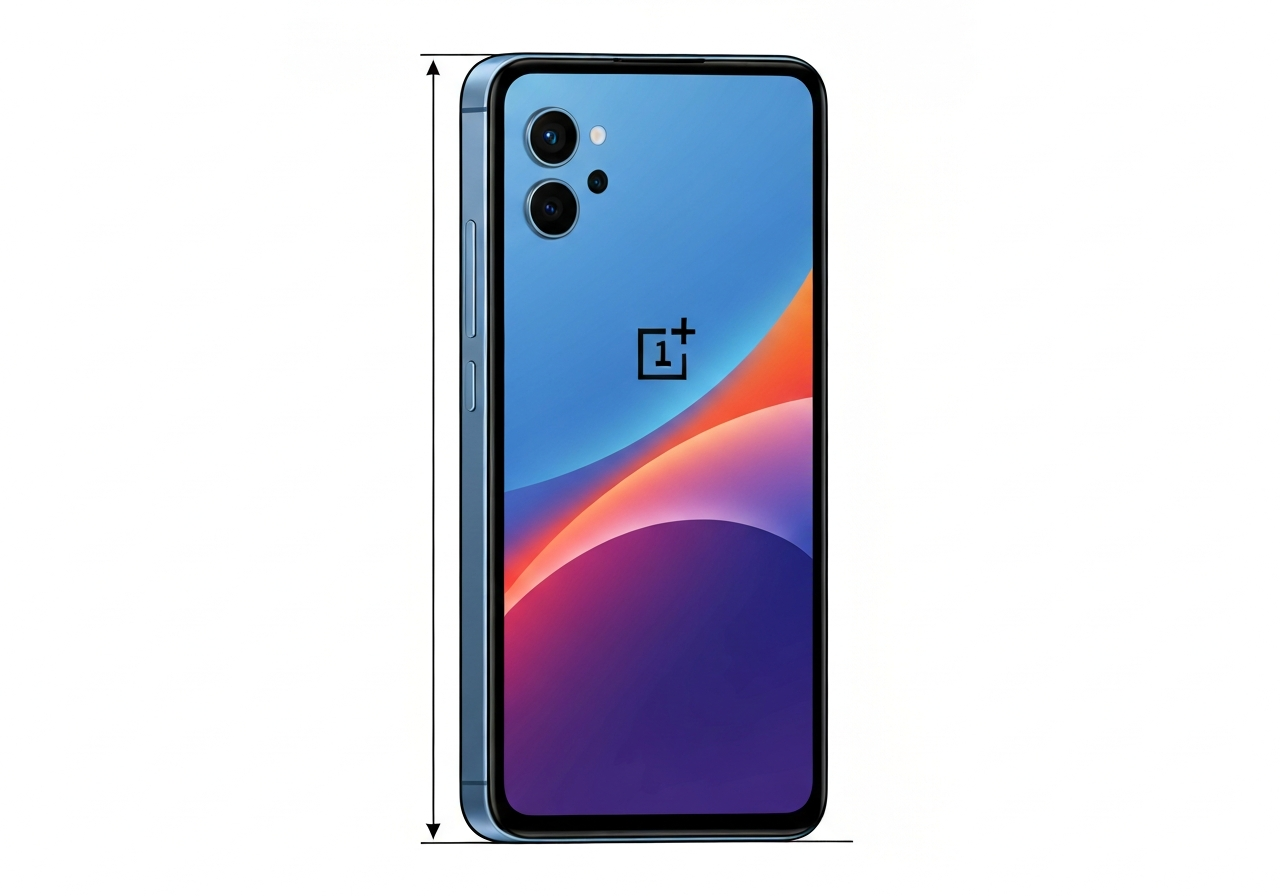
Lead: A fresh leak posted on Chinese social platform Weibo on 24 February 2026 indicates that the next OnePlus flagship, widely referred to as the OnePlus 16, may sport display bezels under 1 millimeter. The tip—credited to user Old Chen Air—compares the rumored design to the OnePlus 15, which shipped with 1.15mm bezels and a 6.78-inch BOE X3 panel. The leak does not provide a full specification sheet, but additional rumors point to very high refresh rates and a large battery as other headline features ahead of a likely Q4 2026 launch.
Key Takeaways
- The Weibo leak by tipster Old Chen Air (24 Feb 2026) claims OnePlus 16 bezels measure below 1.0mm; OnePlus 15 measured 1.15mm.
- The OnePlus 15 launched globally in November 2025 with a 6.78-inch BOE X3 panel and a 165Hz refresh rate, up from 120Hz on the OnePlus 13.
- Separate leaks have suggested the OnePlus 16 could support refresh rates up to 240Hz, though that remains unconfirmed.
- Rumored core hardware includes a Qualcomm Snapdragon 8 Elite Gen 6 SoC and an unusually large 9,000mAh battery.
- Camera rumors list a 50MP primary, 50MP ultrawide and a 200MP periscope telephoto using a 1/1.56-inch sensor.
- The phone is expected to launch in Q4 2026, following OnePlus’s typical annual cycle; the OnePlus 15 currently retails around $899 on Amazon.
- The device is also rumored to omit shoulder buttons and an internal cooling fan, diverging from some competitors’ approaches.
Background
OnePlus has steadily pushed toward cleaner, more immersive displays over multiple generations. Reducing bezel width is a visible, tangible metric for premium industrial design, and vendors often highlight slim bezels to emphasize a near edge-to-edge viewing experience. The OnePlus 15 set a recent reference point with a 1.15mm bezel and a high-refresh 165Hz BOE X3 display when it launched globally in November 2025.
Manufacturers face trade-offs when shrinking bezels: display yield, panel lamination tolerances, and placement of front-facing sensors and antennas all become more exacting. Meanwhile, rivals such as iQoo and major OEMs have experimented with shoulder buttons, active cooling or stacked batteries to balance performance and thermals; OnePlus’s rumored choice to skip shoulder triggers and a cooling fan suggests a different design emphasis for the 16.
Main Event
The central claim comes from an image- and text-based post attributed to Old Chen Air on Weibo on 24 February 2026. The post highlights a bezel measurement figure described as “under 1mm” but does not supply engineering drawings, test reports, or direct factory evidence. Notebookcheck reported the tip and contrasted the figure with the OnePlus 15’s 1.15mm bezels.
Beyond bezel width, the leak offers no official panel supplier confirmation or details about sensor cutouts and front camera housing. Independent tips circulating in parallel point to a possible 240Hz panel option—an aggressive jump from current mainstream refresh rates—and to continued use of high-end BOE or Samsung flexible OLED suppliers, but those particulars are not part of the Weibo post itself.
Leaked system-level rumors compiled by industry observers also list a Snapdragon 8 Elite Gen 6 chipset and an atypically large 9,000mAh battery, claims that, if true, would reshape expectations for endurance and thermal management in a premium OnePlus device. Camera chatter has focused on a 200MP periscope telephoto with a 1/1.56-inch sensor size—an uncommon sensor footprint for tele lenses—which would indicate emphasis on long-range imaging.
Analysis & Implications
If OnePlus achieves sub-1mm bezels at scale, the company would join a small set of manufacturers that have pushed display-to-body ratios into near bezel-less territory. Such a move is primarily aesthetic, but it also signals improvements in panel cutting, lamination and chassis tolerances. Achieving consistent yields without increasing costs materially would be the technical and commercial test for suppliers and OnePlus alike.
High refresh rates like 240Hz deliver visibly smoother animations and motion when paired with responsive UI and content, but they increase power draw, making the rumored 9,000mAh battery seem strategically linked. A very large battery could offset battery life regressions caused by higher refresh modes or more powerful SoCs, but adds weight and thermal mass that must be engineered into the chassis.
The rumored Snapdragon 8 Elite Gen 6 would place the OnePlus 16 among top-tier Android performers; combined with a periscope telephoto of 200MP on a 1/1.56-inch sensor, the device would clearly target imaging and benchmark leadership. Conversely, omitting shoulder buttons and an internal fan suggests OnePlus may prioritize a sleeker, quieter handset over gaming-specific hardware, potentially narrowing the device’s appeal for certain high-end mobile gamers.
Comparison & Data
| OnePlus 15 (actual) | OnePlus 16 (rumored) | |
|---|---|---|
| Display size | 6.78 in BOE X3 | ~6.7–6.8 in (unconfirmed) |
| Bezel width | 1.15 mm | <1.0 mm (leak) |
| Refresh rate | 165 Hz | Up to 240 Hz (rumor) |
| Battery | Not specified here | 9,000 mAh (rumor) |
| Main camera | 50MP primary | 50MP primary; 200MP periscope (rumor) |
| SoC | Previous flagship tier | Snapdragon 8 Elite Gen 6 (rumor) |
The table helps isolate confirmed details from circulating rumors. The bezel measurement in the leak is a single dimensional datapoint; without supplier confirmation or teardown data, other physical details—weight, exact screen cutter profile, and front-camera placement—remain speculative. Historically, OnePlus has iterated yearly with incremental design improvements rather than wholesale platform shifts.
Reactions & Quotes
“The post points to bezel figures under 1mm, which would be a notable refinement over the OnePlus 15.”
Old Chen Air (Weibo tip)
Old Chen Air’s statement served as the immediate source for the measurement claim and motivated subsequent coverage. Notebookcheck and peer outlets amplified the figure with context from the OnePlus 15 baseline.
“Manufacturers can push bezel metrics on spec sheets, but yields and real-world durability determine whether those gains reach consumers at scale.”
Display industry analyst (independent analyst summary)
Display and manufacturing specialists caution that sub-1mm bezels require tighter tolerances in panel cutting and assembly; the practical impact for users depends on consistency across production batches and repairability considerations.
Unconfirmed
- 240Hz native display refresh rate for the OnePlus 16 is reported by leaks but not independently verified.
- The 9,000mAh battery figure stems from rumor pipelines and lacks official OnePlus confirmation.
- Claims of a 200MP periscope telephoto on a 1/1.56-inch sensor are unverified pending hardware teardowns or official specs.
- Snapdragon 8 Elite Gen 6 as the chosen SoC is a consistent rumor but not yet announced by OnePlus.
- Assertions that the OnePlus 16 will omit shoulder buttons and an internal cooling fan are sourced to rumor threads, not an official roadmap.
Bottom Line
The Weibo leak reporting sub-1mm bezels, if correct, would be a tangible design upgrade for OnePlus but represents one data point among many early rumors about the OnePlus 16. Display thinness is visually compelling and useful as a marketing benchmark, yet it carries engineering trade-offs that affect cost, reliability and repairability.
Other rumored changes—extremely high refresh rates, an oversized battery, and advanced telephoto hardware—would shift the OnePlus proposition toward performance and imaging leadership. Readers should treat the bezel figure as plausible but preliminary: expect OnePlus to publish full specifications closer to a Q4 2026 launch, at which point independent reviews and teardowns will verify which claims were accurate.