
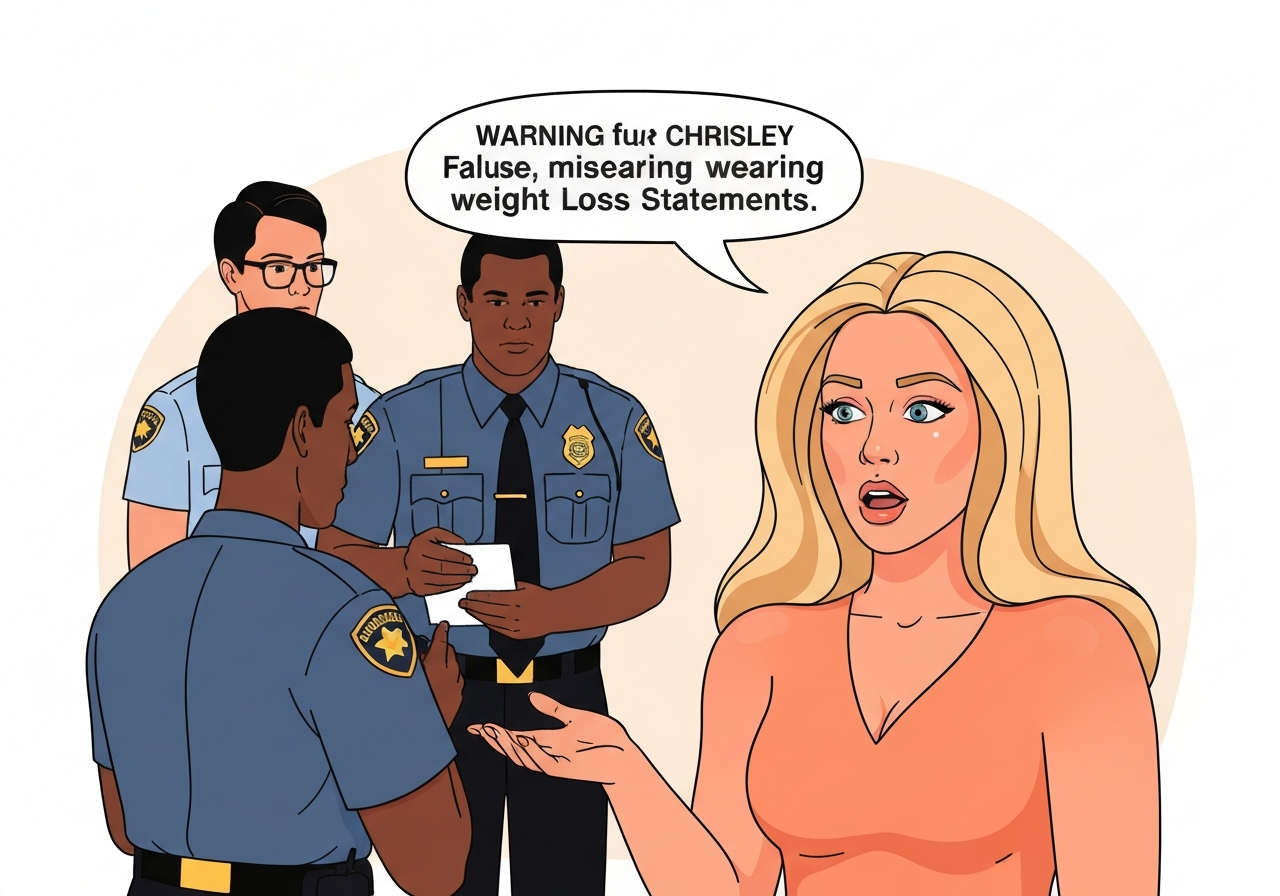
Federal regulators have raised concerns about wording on Savannah Chrisley’s prescription-weight-loss website, GoodGirlRX, according to a March 3, 2026 TMZ report. The FDA sent a warning letter to Chrisley’s company after reviewing claims tied to compounded semaglutide and tirzepatide formulations, saying some language implied FDA approval when none exists. The agency gave the site 15 business days to correct the problematic statements or face possible enforcement. GoodGirlRX has since revised several phrases and added disclaimers while Chrisley told TMZ the issue was limited to website language, not patient safety.
Key Takeaways
- The FDA issued a warning letter to GoodGirlRX after reviewing the site; TMZ published the report on March 3, 2026.
- The letter flagged claims about compounded semaglutide and tirzepatide that used phrases such as “FDA-approved meds,” “FDA-approved options,” and “clinically proven GLP-1 results.”
- The FDA reminded the company that compounded drug products are not FDA-approved and cannot be presented as evaluated for safety and effectiveness.
- The agency allowed 15 business days for corrections before possible legal action; TMZ reports no fines or disciplinary action to date.
- GoodGirlRX adjusted language on the site (e.g., changing “clinically proven” to “clinically studied”) and added disclaimers stating the GLP-1 drugs offered are not FDA-approved.
- Savannah Chrisley told TMZ the matter concerned wording, not patient safety, and said the company welcomes FDA guidance.
Background
GLP-1 receptor agonists such as semaglutide and tirzepatide have become widely discussed for weight management since branded approvals and commercial attention increased in 2021–2024. Demand for prescription access has grown rapidly, and some companies and pharmacies have offered compounded formulations of these molecules as alternatives to branded, FDA-approved products. Compounded drugs are preparations made by a state-licensed pharmacist or physician to meet a specific patient need; they are distinct from branded, FDA-approved medicines.
The FDA’s regulatory framework treats compounded products differently from approved drugs: approved products undergo premarket review for safety and effectiveness, whereas compounded items are not evaluated by the FDA in the same way. In recent years the FDA has sent letters to providers and pharmacies about promotional claims that could mislead consumers regarding approval status or clinical evaluation. Those letters typically ask for corrective actions and give a deadline to come into compliance.
Main Event
According to the TMZ report published March 3, 2026, the FDA reviewed GoodGirlRX and identified promotional language suggesting compounded semaglutide and tirzepatide offerings were “FDA-approved” or produced “clinically proven GLP-1 results.” The agency’s warning letter—sent the prior month, per the report—noted that such phrasing could lead consumers to believe the compounded products had been evaluated for safety and effectiveness by the FDA when they had not.
The warning letter gave GoodGirlRX 15 business days to correct the cited violations or face potential enforcement. TMZ’s reporting indicates the company updated site copy, replacing some claims (for example, switching from “clinically proven” to “clinically studied”) and adding disclaimers clarifying that the GLP-1 drugs available via the service are not FDA-approved.
Chrisley responded to TMZ with a brief statement emphasizing that the interaction involved website wording rather than clinical practice or patient safety. She said there were no fines or disciplinary actions and that GoodGirlRX works with licensed physicians. The company’s website now displays revised language and disclaimers consistent with the changes described in the letter.
Analysis & Implications
The FDA’s action underscores the regulatory line between marketing claims for FDA-approved drugs and promotional language for compounded products. When a business implies FDA evaluation or approval for a compounded product, regulators view that as materially misleading because consumers may reasonably rely on the term “FDA-approved” to mean a product completed the agency’s review process.
For the many companies operating at the intersection of telemedicine, pharmacy compounding, and direct-to-consumer marketing, the episode is a reminder that copy and labeling are regulatory touchpoints. Even minor-seeming phrases such as “FDA-approved options” can trigger formal letters if they create an impression that compounds have the same regulatory status as approved, branded medicines.
From a clinical and public-health perspective, the distinction matters because FDA-approved weight-loss drugs typically have evidence packages and controlled trials supporting labeled uses; compounded formulations are tailored and lack that same centralized review. If consumers misunderstand the distinction, they may have different expectations about dosing, monitoring, or demonstrated benefits and risks.
Looking ahead, regulators may increase scrutiny of online promotional claims tied to GLP-1s and other high-demand therapies. Companies that provide tele-prescribing and compounding services will likely face more frequent requests to demonstrate that their marketing accurately represents approval status and available evidence.
Comparison & Data
| Product Type | Regulatory Status | Typical Evidence |
|---|---|---|
| Branded FDA-approved GLP-1 (e.g., semaglutide brand) | FDA-approved after premarket review | Randomized controlled trials; labeled indications |
| Compounded semaglutide/tirzepatide | Not FDA-approved as compounded products | Formulations prepared for individual patients; not reviewed by FDA |
The table highlights regulatory differences rather than clinical superiority. Clinicians, regulators, and patients evaluate safety and efficacy through different evidentiary paths—centralized approval versus individualized compounding and clinical oversight.
Reactions & Quotes
Below are short excerpts from the FDA letter, Savannah Chrisley’s response to TMZ, and current public-facing site language; each quote is followed by brief context.
“[Compounded] drug products … are not FDA-approved and should not be represented as such.”
U.S. Food and Drug Administration — warning letter excerpt
The FDA emphasized that representing compounded formulations as evaluated or approved by the agency misstates their regulatory status and can mislead consumers about safety and effectiveness.
“This was about website wording, not patient safety. There were no fines and no disciplinary action.”
Savannah Chrisley, to TMZ
Chrisley framed the exchange as corrective and procedural; TMZ reported the company updated wording and added disclaimers after the letter.
“clinically studied results”
GoodGirlRX website (updated copy)
The site’s revised phrasing removes the stronger claim of being “clinically proven” and now includes language and disclaimers that align with the FDA’s concerns about implying approval or formal evaluation.
Unconfirmed
- Whether the FDA will pursue formal enforcement beyond the warning letter if GoodGirlRX’s changes remain in place is not yet known.
- The scope and volume of patient use of compounded semaglutide or tirzepatide through GoodGirlRX have not been independently verified.
- Details about internal compliance processes at GoodGirlRX or state pharmacy licensure reviews related to these formulations were not available in the reporting.
Bottom Line
The FDA’s warning to GoodGirlRX highlights how promotional language can trigger regulatory action when it risks implying that compounded formulations have been evaluated or approved by the agency. Companies marketing prescription services should carefully vet site copy and disclaimers to ensure they do not overstate regulatory status or clinical evidence.
Practically, the episode shows that even high-profile owners and consumer-facing brands must align marketing language with regulatory expectations. Observers should watch whether the FDA issues further enforcement or whether industry guidance evolves to address marketing practices for GLP-1 access services.